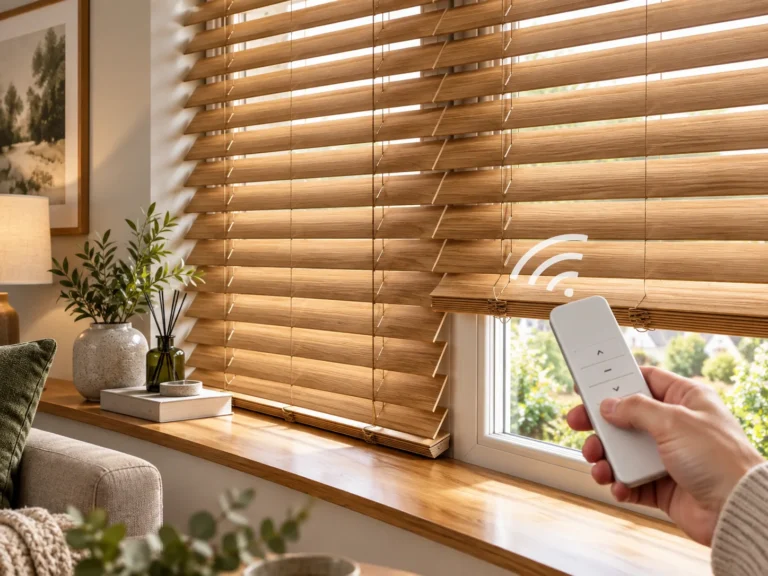
Tilt the Slats
Change the slat angle to admit more daylight, redirect bright light or reduce direct views through the window.
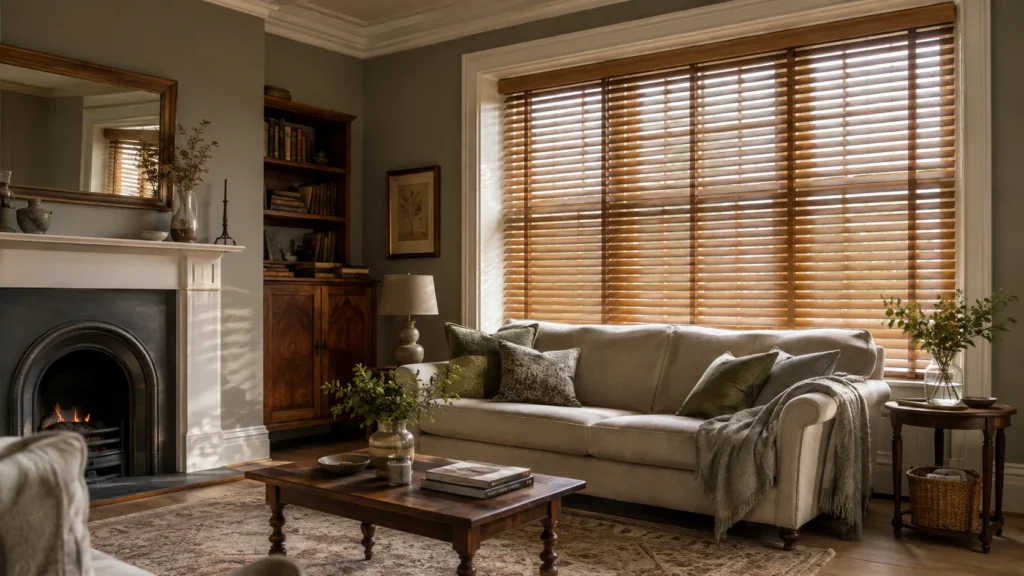
Made-to-Measure Wooden Blinds
Choose made-to-measure wooden blinds for adjustable privacy and daylight with the structured look of horizontal slats. Noble Blinds provides practical advice, professional measuring and fitted wooden blinds across West Yorkshire.
Tell us about your windows, room conditions and the look you prefer. We can discuss real wood, faux wood and suitable fitting options before a quotation is prepared.
Wooden Blind Basics
Wooden blinds use horizontal slats that tilt to control daylight and privacy, then raise when you want more of the glazing clear.
Depending on the selected range, the slats may be real wood or faux wood. You may also see the category described as wood blinds, wooden Venetian blinds, wood slat blinds or wooden slat blinds. Material, slat size, fitting position and room conditions all affect the final choice.
Compare Venetian Blinds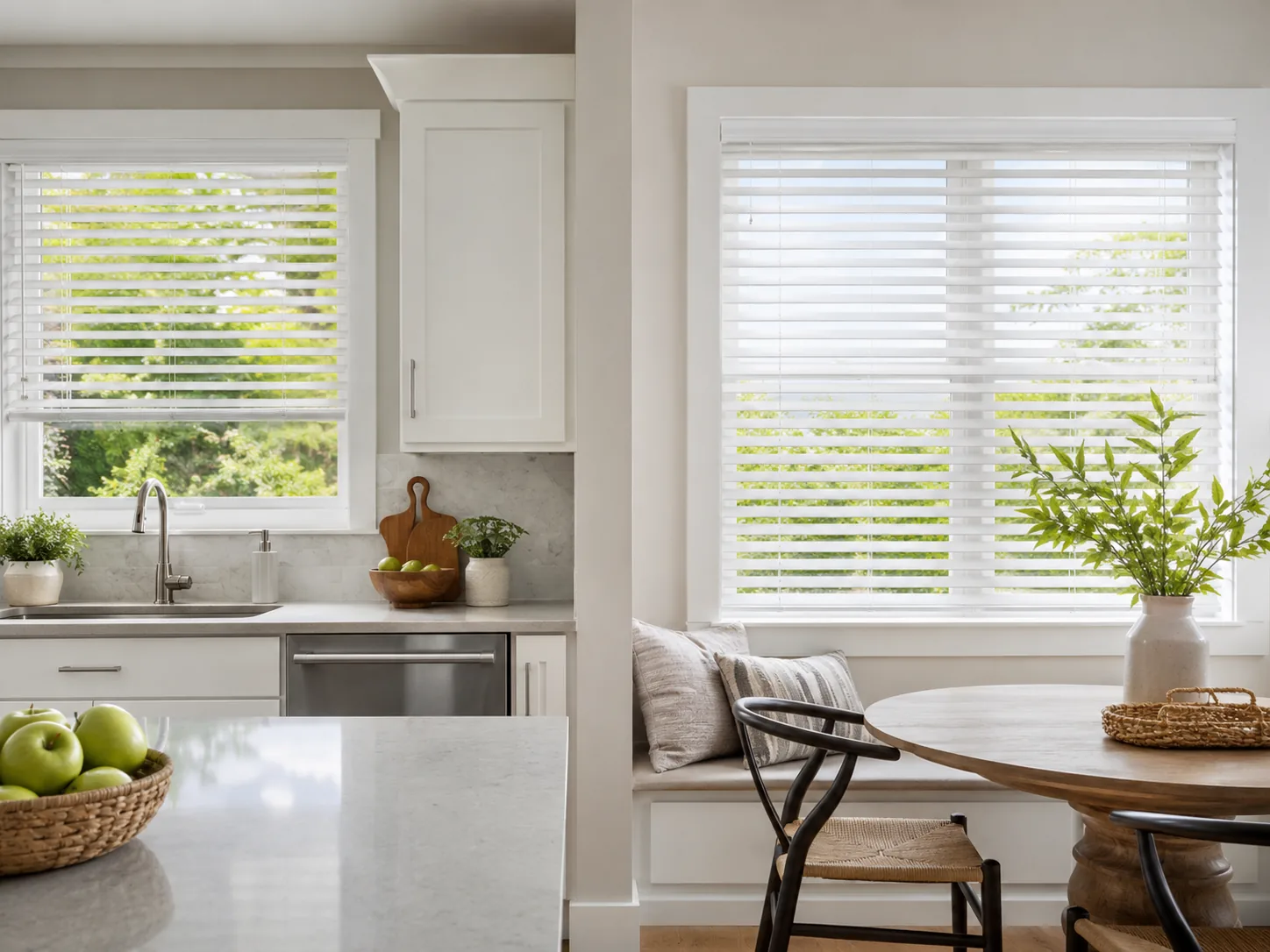
Everyday Operation
Wooden window blinds combine tilting slats with raise-and-lower operation, giving you more than one way to manage the window through the day.
Change the slat angle to admit more daylight, redirect bright light or reduce direct views through the window.
Lift the blind when you want more of the glass clear or easier access to the opening.
Lower the blind to cover the window while keeping the slats available for privacy and light adjustment.
Move between open, tilted and closed positions as daylight, glare and privacy needs change during the day.
Practical Benefits
Made-to-measure wooden blinds combine precise slat adjustment with a warm, structured appearance that can suit both traditional and contemporary interiors.
Light
Tilt the slats gradually to change how much natural light enters and where it falls in the room.
Privacy
Alter the viewing angle through the window without always needing to raise or completely close the blind.
Material
Choose between natural wood character and practical faux wood alternatives according to the room, finish and care requirements.
Fit
The blind can be sized around the actual opening, recess, handles and fitting position rather than a standard off-the-shelf width.
Compare the Materials
Both provide horizontal slat control, but material choice affects weight, appearance, cleaning and suitability for the room.
Real wood blinds bring natural grain and tonal variation to the window. They are generally better considered for drier rooms and should be maintained in line with the selected material guidance.
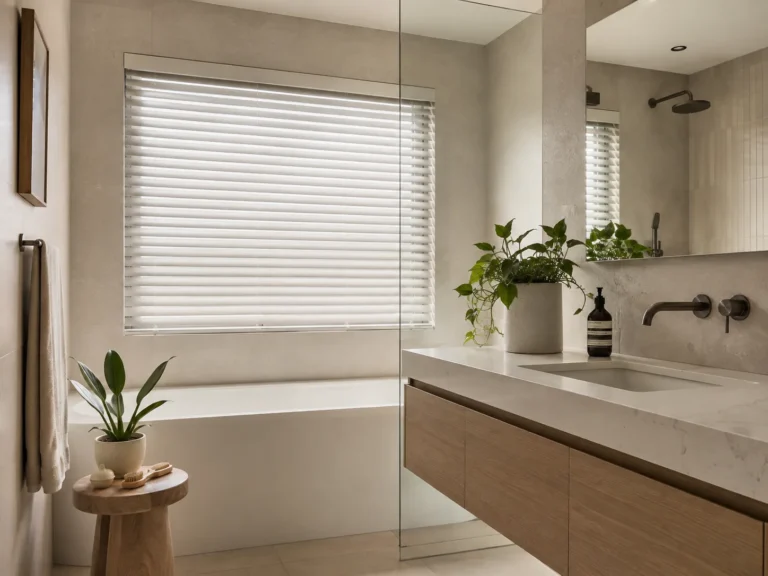
Faux wood blinds provide a consistent wood-style finish and may be easier to consider where routine wiping or room conditions make practicality a stronger priority, subject to the selected range.
Colour & Finish
Colour, grain and finish influence whether wooden blinds blend quietly into the room or become a stronger feature at the window.
Available choices vary by range and may include pale wood tones, deeper stains, painted-style finishes and faux wood effects. Start with material suitability, then refine the colour and finish.
Real wood can introduce natural grain and tonal variation where authentic material character is part of the look you want.
Paler finishes can keep wooden window blinds visually lighter within neutral, Scandinavian or softly coloured interiors.
Darker stains can create stronger contrast and a more defined window treatment against light walls and frames.
Faux wood can provide a consistent slatted appearance where practical care requirements are as important as the decorative finish.
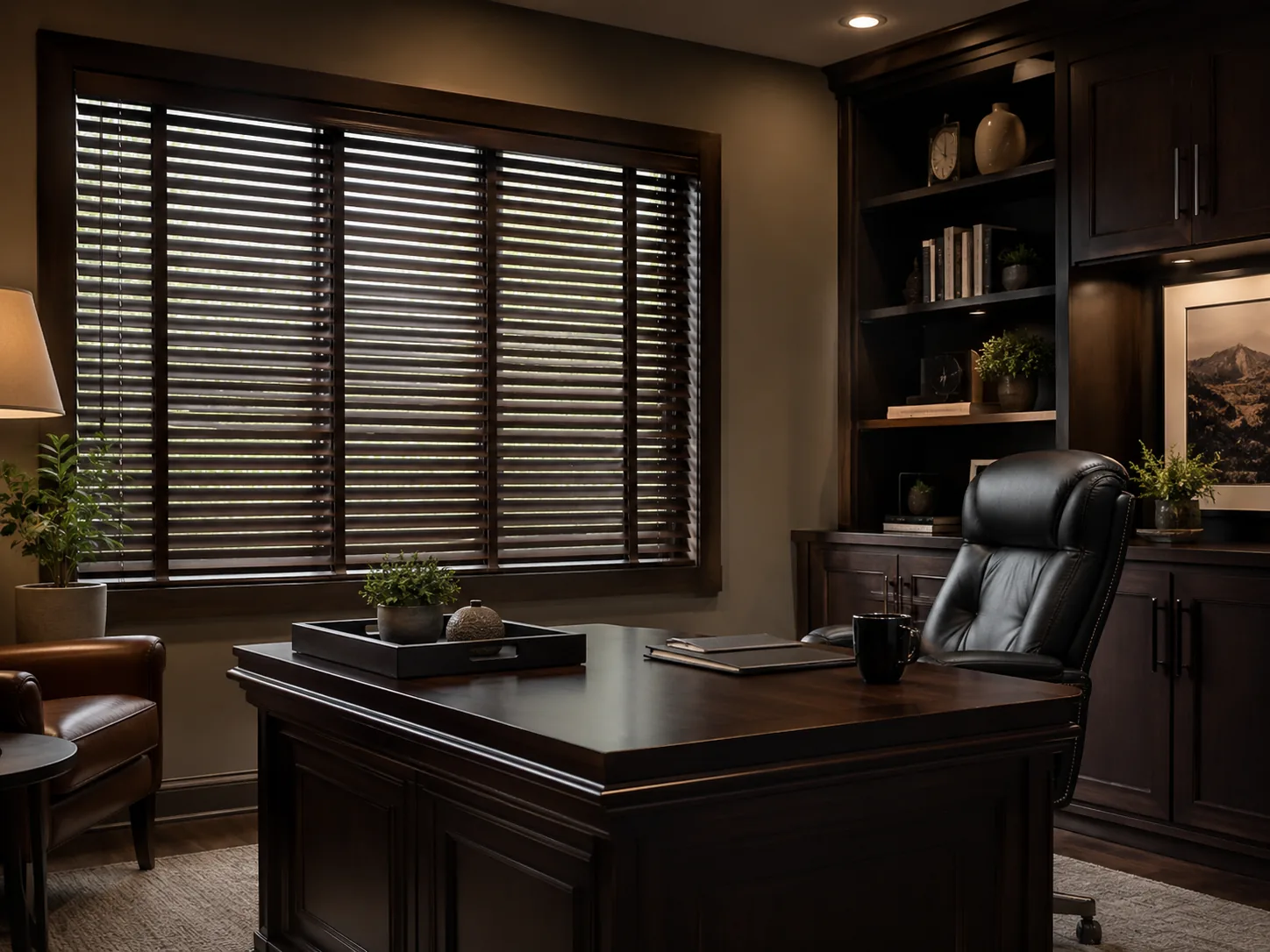
Adjustable Slat Control
The horizontal slats can be repositioned through the day, allowing one fitted wooden blind to respond to changing sunlight, views and privacy needs.
Daylight
Angle the slats to bring in useful daylight or reduce more direct sunlight without immediately raising the whole blind.
Privacy
Tilt the slats to reduce direct sightlines from outside while retaining more daylight than a fully closed position may allow.
Glare
Use the slat angle to reduce direct brightness around screens, seating and work areas where glare becomes uncomfortable.
Realistic Light Control
Wooden slat blinds can reduce light significantly, but ordinary slatted construction should not be described as a sealed blackout solution.
01 · Slats
Small lines of light may remain between neighbouring slats even when they are positioned closely together.
02 · Edges
Some light may also enter around the sides, headrail or sill depending on the opening and fitting position.
03 · Fit
Professional measuring helps establish practical coverage and clearances, but it does not turn a normal wooden blind into a sealed system.
04 · Alternative
If strong room darkening is the main requirement, compare dedicated blackout blinds and fitting approaches rather than choosing wood slats for appearance alone.
Around the Home
Wooden blinds suit rooms where adjustable slat control and a structured finish matter more than soft fabric folds or maximum room darkening.
Balance privacy, daylight and outward view while giving the main window a clean, structured finish.
Useful where adjustable privacy matters and some daylight control is wanted, provided strong blackout is not the overriding priority.
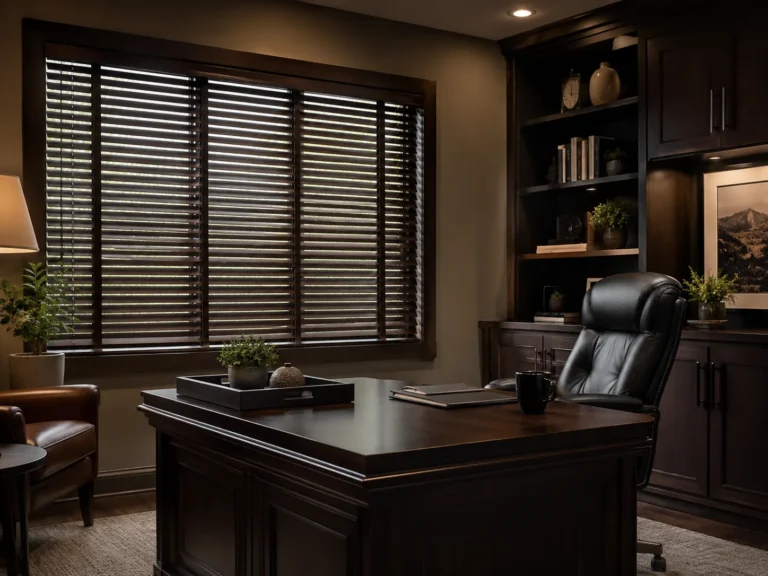
Tilting slats can help manage changing screen glare and daylight without keeping the window fully covered all day.
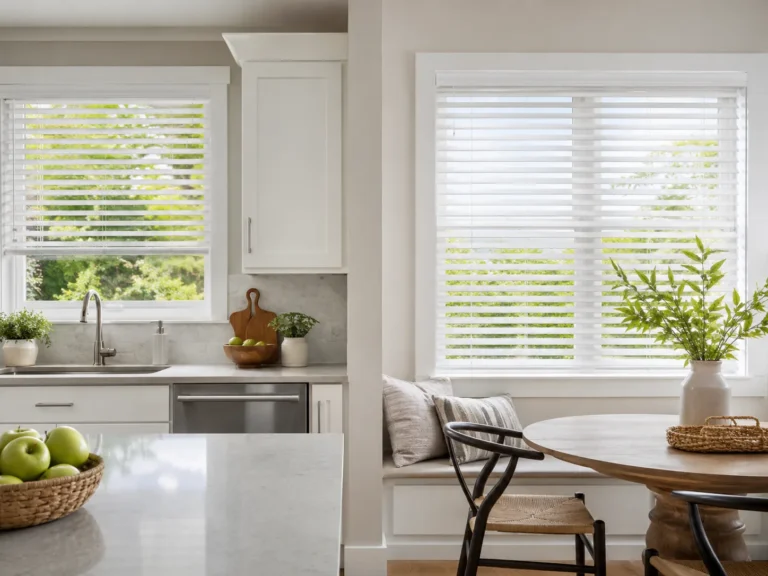
Adjust the slats as the room moves from daytime use to evening privacy without changing the whole window treatment.
A practical option where the balance between view, privacy and daylight changes regularly through normal family use.
Room Conditions Matter
Real wood and faux wood blinds should not be treated as interchangeable in rooms exposed to moisture, condensation or frequent cleaning.
Faux wood may be worth considering where straightforward wiping is useful, subject to the actual material, location and supplied care guidance.
Do not assume every wooden or faux wood blind is suitable for a humid bathroom. The selected material and normal room conditions should be checked first.
Regular condensation increases moisture exposure around the window and should be considered before choosing real wood slats.
In moisture-prone rooms, confirm the practical material route before narrowing the final stain, colour or decorative finish.
Check the Window
Good wooden blind fitting depends on the real opening, available recess depth, handles, movement and the weight of the final blind.
The headrail and slats need enough practical space without creating unnecessary obstruction around the glazing.
Projecting handles, vents and other fittings can influence where a made-to-measure wooden blind can sit.
Frequently opened or inward-moving windows need enough clearance to remain practical once the blind is fitted.
Wall returns, trim, furniture and neighbouring windows can affect whether an inside or outside-recess fitting is more suitable.
Wider Openings
As a wooden blind becomes wider, finished weight, lifting effort, fixing points and whether the opening should be divided can become more important.
01 · Width
Large openings need checking against the selected system rather than assuming one blind can span every width.
02 · Layout
Two or more blinds can be more practical where separate panes need independent access or a single blind would become unnecessarily heavy.
03 · Operation
Consider how often the blind will be raised and who will operate it before choosing a very large configuration.
04 · Access
Where several panes open independently, dividing the treatment can help preserve normal access and operation.
Uneven recesses, adjoining panes, unusual angles, handles and obstructions can change where a wooden blind can be fitted. Measuring the complete opening helps establish whether a practical fitted wooden blind arrangement is possible.
Before You Decide
A useful decision starts with the window and room rather than choosing a stain or slat colour first.
Consider how often it opens, whether handles need frequent access and how regularly the blind will be raised.
Check recess depth, glazing area, obstructions and the fitting position before assuming a particular slat size will work.
Moisture, condensation and cleaning requirements can influence whether real wood or faux wood is the more practical choice.
If weight, width, access or darkness creates a conflict, compare another blind type rather than forcing wooden slats onto the opening.
Everyday Care
Routine cleaning should match the actual material and finish. Gentle regular care is usually more appropriate than heavy or wet cleaning.
Routine Care
Use a suitable soft cloth or duster regularly so dust does not build up across the horizontal slats.
Small Marks
Where the care guidance permits, use a lightly damp method rather than soaking the slats or headrail.
Material Specific
Real wood and faux wood should not automatically be cleaned in the same way. Follow the instructions for the selected material and finish.
Narrow the Choice
Start with material, room conditions and the opening; then refine the look with colour, grain and slat finish.
01 · Real Wood
Consider real wood blinds where natural grain and material character are central to the appearance you want in a suitable dry room.
02 · Faux Wood
Consider faux wood blinds where consistent appearance and straightforward care carry more weight, subject to the selected range and room conditions.
03 · Opening
Check recess depth, handles, width and operating space before choosing slat material or size.
04 · Advice
A customer-site visit allows the actual opening, room conditions and suitable real wood or faux wood choices to be considered before the specification is agreed.
Compare Other Blind Types
Wooden blinds are one route. Compare other products where fabric, compactness, moisture suitability, wide glazing or a different fitting method matters more.
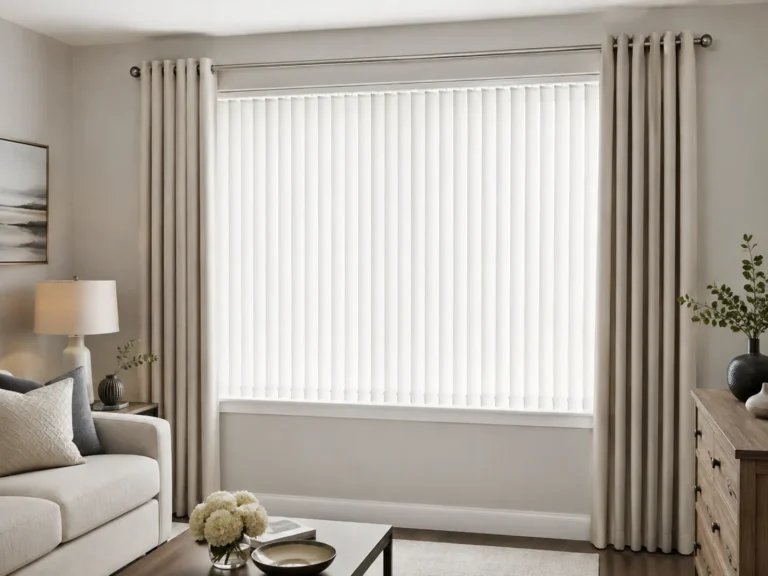
Wide Glazing
Adjustable vertical louvres with sideways stacking can be useful for wider windows and frequently used glazed doors.
Explore Vertical Blinds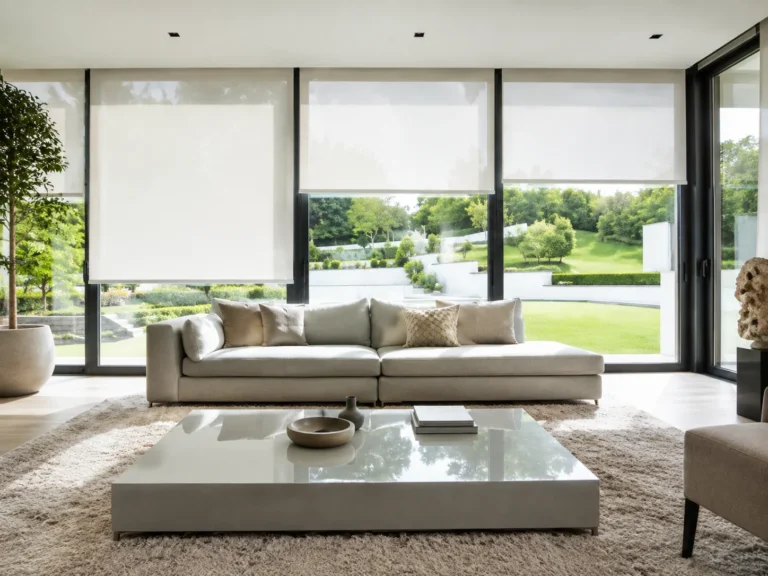
Simple Fabric
A compact fabric treatment with straightforward raise-and-lower operation and a wide range of light-control choices.
Explore Roller Blinds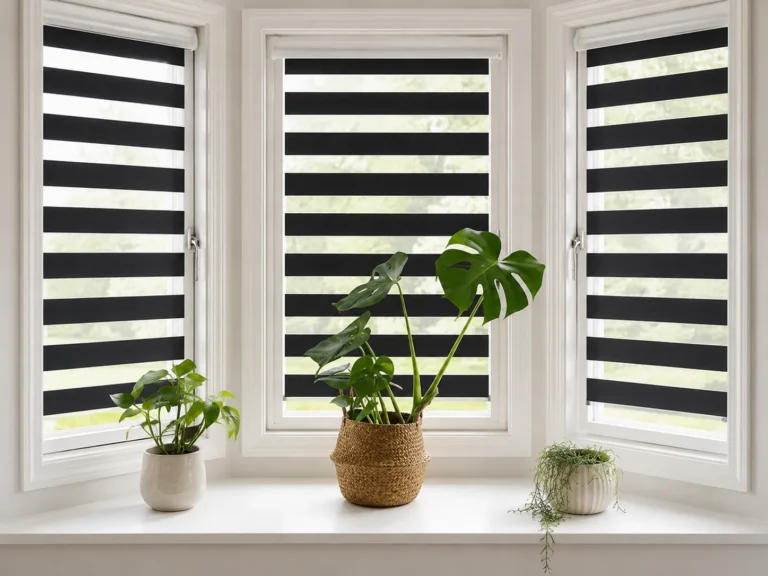
Layered Fabric
Alternating sheer and opaque bands provide adjustable daylight, view-through and privacy control.
Explore Vision Blinds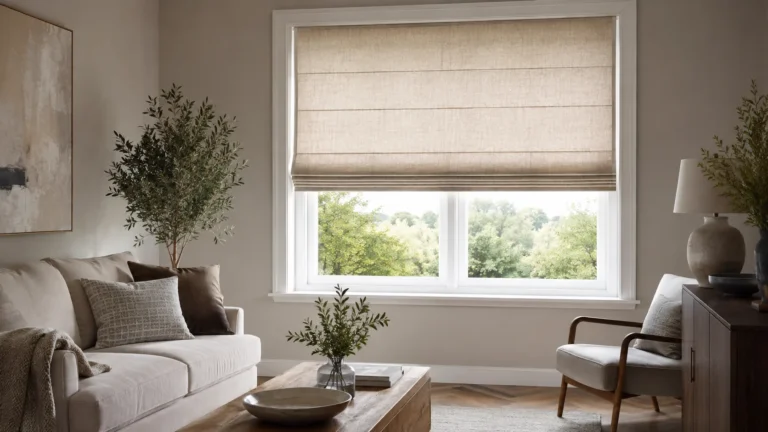
Soft Furnishing
Fabric folds create a softer, more decorative window treatment where texture and interior styling are priorities.
Explore Roman Blinds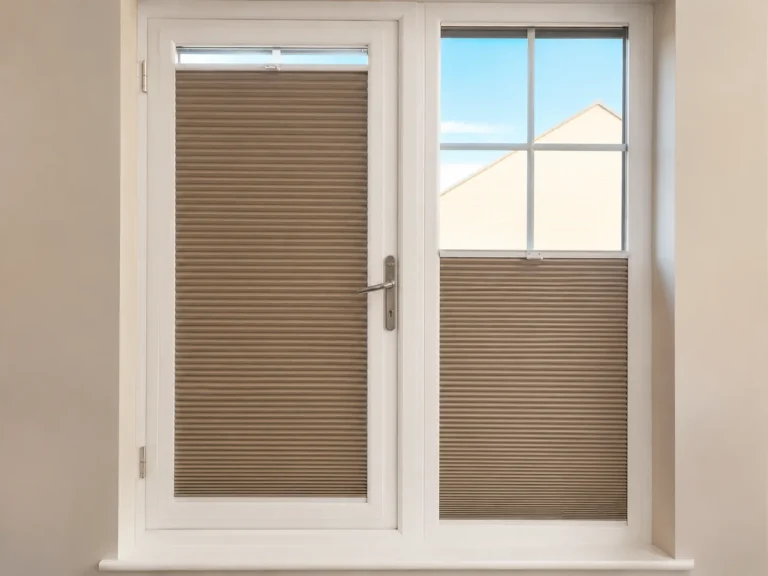
Frame Mounted
Frame-mounted options for compatible glazing where keeping the blind close to the glass and moving with the opening is useful.
Explore Perfect Fit Blinds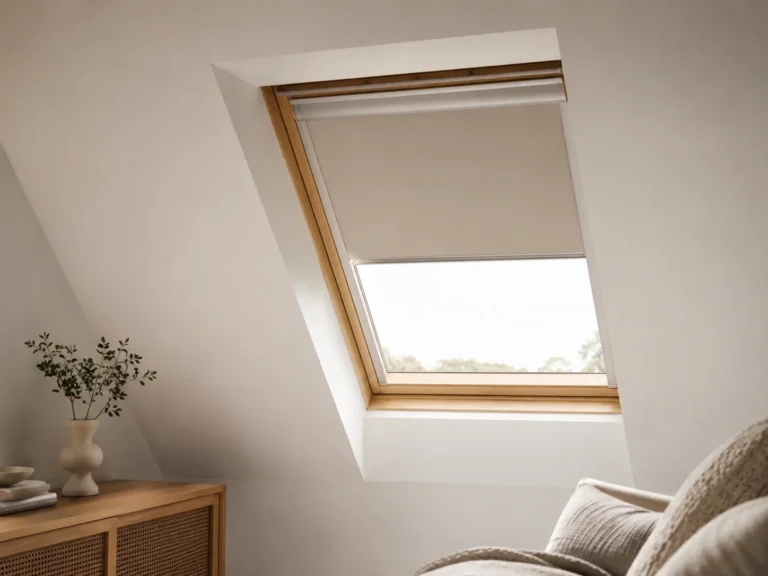
Roof Windows
Window-specific blind solutions for compatible VELUX roof windows where identification and product compatibility matter.
Explore VELUX Blinds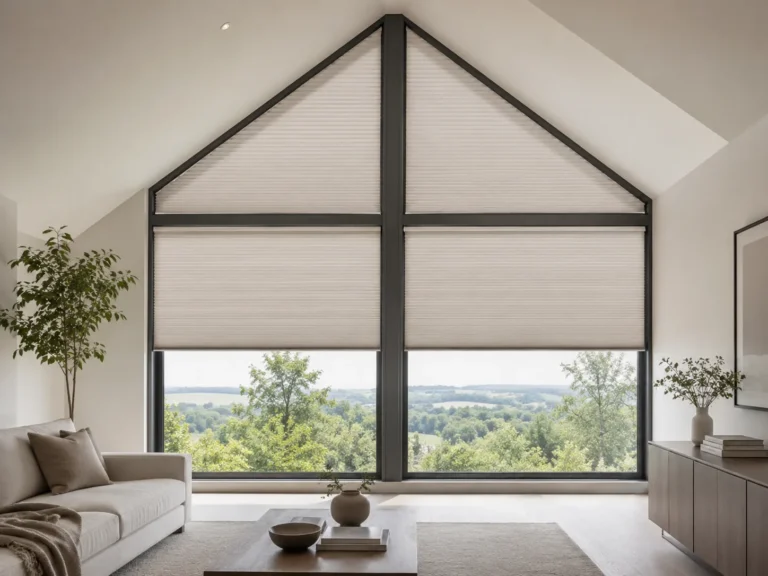
Compact Fabric
Slim folded fabric can suit conventional and selected specialist glazing where a lighter, compact treatment is preferred.
Explore Pleated Blinds
Metal Slats
Aluminium Venetian blinds offer horizontal slat control in a slimmer material format where wood is not the preferred route.
Explore Venetian Blinds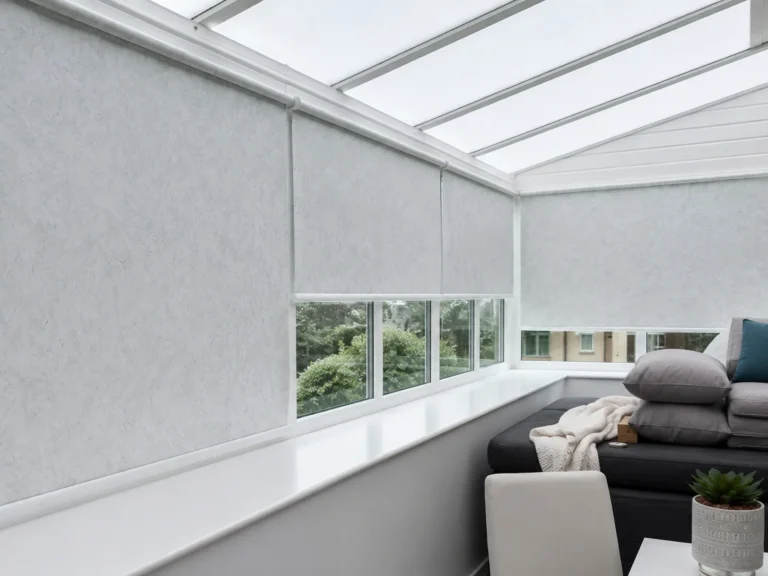
Glazed Rooms
Plan blinds across conservatory windows, doors and upper glazing according to each opening rather than applying one material everywhere.
Explore Conservatory Blinds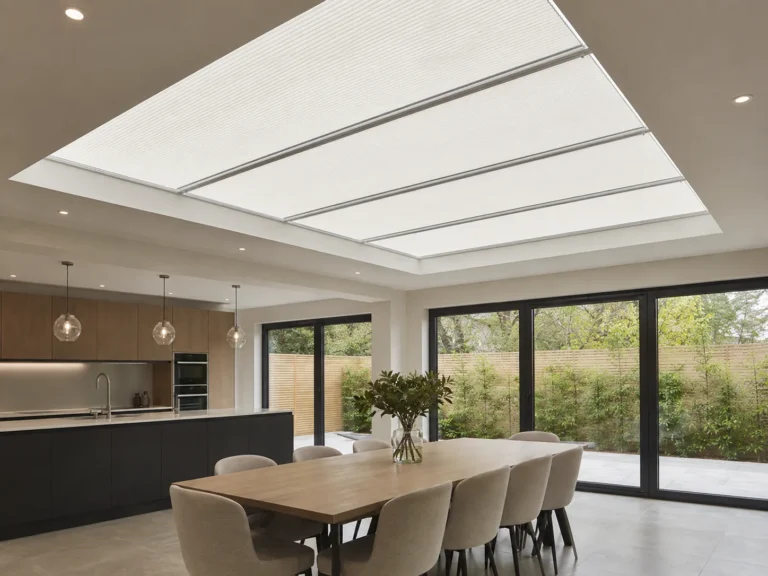
Overhead Glazing
Specialist shading for roof lanterns where overhead access, span and operation require a dedicated system.
Explore Roof Lantern Blinds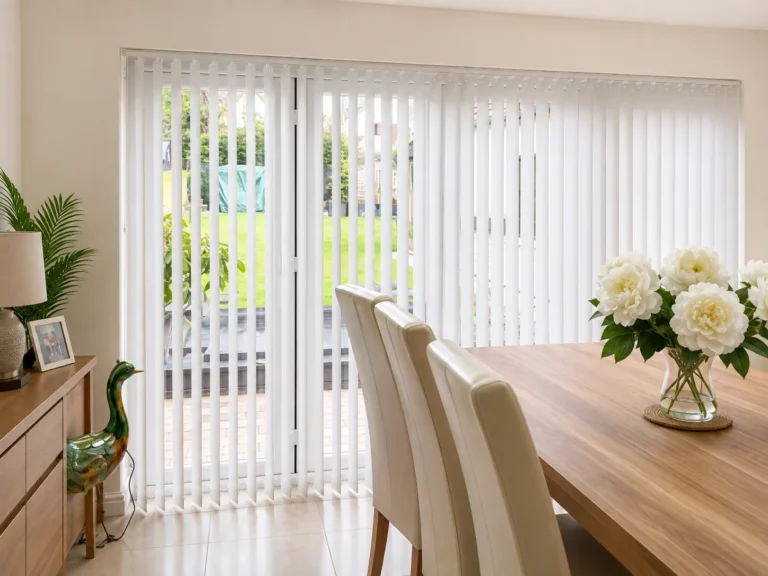
Wide Glazed Doors
Explore blind choices for patio and sliding doors where width, movement, handles and everyday access shape the fitting decision.
Explore Patio Door Blinds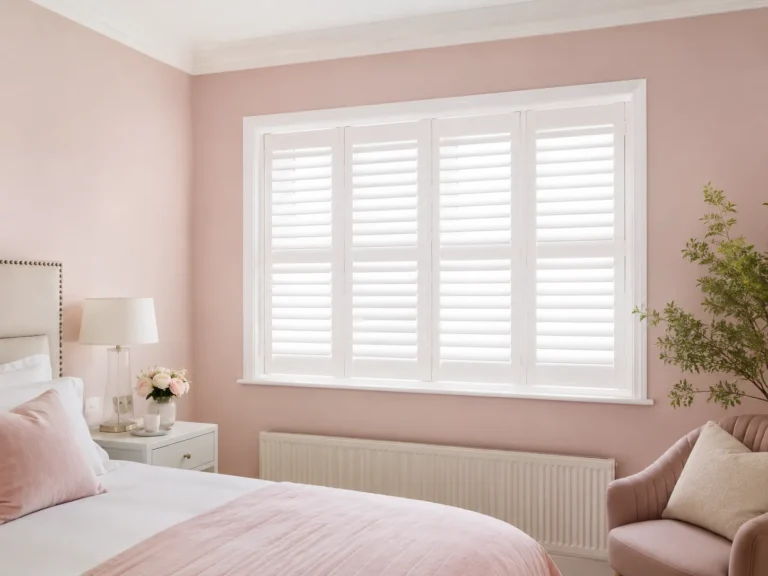
Framed Louvres
A more architectural louvred treatment using fitted panels rather than a liftable slatted blind.
Explore Window ShuttersPractical Help at Your Property
Noble Blinds helps you compare made-to-measure wooden blinds around the actual room and window before the final specification is ordered.
Discuss real wood, faux wood, slat control and the way the room is used while looking at the actual opening.
The opening can be checked for usable dimensions, recess depth, handles, movement and practical fixing space before ordering.
Your agreed fitted wooden blinds are installed to the selected position and checked for normal operation at the property.
From Enquiry to Fitting
The process keeps advice, measuring, quotation, made-to-measure supply and professional fitting connected from the first enquiry.
Contact Noble Blinds and tell us about the rooms, windows and the wooden blind look or practical result you are considering.
The openings are measured and suitable real wood, faux wood, slat, finish and fitting options can be discussed.
Agree the preferred made-to-measure wooden blind specification and receive a quotation for the project.
The agreed blinds are supplied and professionally fitted, with their finished position and operation checked.
Customer Feedback
Read genuine Google feedback about Noble Blinds service, advice, communication, measuring, professional fitting and the finished result.
Very nice and professional, paying attention to details and your wishes and make sure that everything is how would you like to be, high quality too. Highly recommended 💯
Great customer service quote and fitting are quick I’m really happy with my blinds they look stunning! Thank you again TikTok friend
Excellent service from start to finish. Good quality blinds friendly and efficient chap who knows his stuff. Fitted all mine today in no time. Would definitely recommend Luxury Blinds
Great service and amazing quality blinds all fitted very professionally plus very quick service. Thank you
Fast and efficient service, blinds look great and made room look new.
The person was great and love the blinds .thanks
Great service, fantastic job, great quality! Patient and understanding and I'm definitely recommending to family and friends. Thank you again!
Job well done and very friendly service, highly recommend this company
Great service, fantastic job. I’m very happy with the service definitely I’m gonna recommend my family and friends thank you.
Professional service provided and amazing quality blinds, would highly recommend. Thank you.
Wooden Blinds · West Yorkshire
Noble Blinds serves approved locations across West Yorkshire from its Leeds base. Choose your location to continue to an eligible published page for wooden blinds, measuring and professional fitting.
Common Questions
Practical answers about real wood, faux wood, fitting, moisture, wide windows, blackout expectations and choosing wooden blinds in West Yorkshire.
Real wood blinds use natural timber slats and provide genuine grain and tonal variation. Faux wood blinds use an alternative material with a wood-style appearance. The better choice depends on the room conditions, desired look, weight, care requirements and the specific range available.
The terms are often used for the same broad horizontal-slat format. Wooden Venetian blinds, wood slat blinds and wooden slat blinds generally describe blinds whose slats tilt for light and privacy control and raise when you want more of the window clear.
Both phrases are commonly used for blinds specified around a particular opening rather than chosen from a generic standard size. Noble Blinds describes its service as made to measure, with the real window, recess, handles and fitting position considered before the final specification.
Possibly, but material suitability matters. Real wood needs greater caution around regular moisture or condensation, while some faux wood options may be more practical. The selected product and actual room conditions should be checked before ordering.
No. Closed slats can provide useful light reduction and privacy, but light may remain between slats or around the edges. If strong darkness is the main priority, compare dedicated blackout blind options as well as the fitting approach.
Each bay section should be measured and planned together. Corner angles, headrail positions, slat clearance, handles and opening windows can all affect how neighbouring blinds meet and operate.
Not automatically. Width, finished weight, lifting effort, fixing points and the selected system all matter. A very wide opening may be better divided into more than one blind regardless of material.
The agreed fitting position is checked against the measured opening, fixings, handles and movement. The fitted wooden blinds are then installed and their normal operation checked so the finished arrangement works with the window.
Noble Blinds is based in Leeds and serves approved locations across West Yorkshire through a mobile, customer-site service. Use the Areas directory or send your postcode so the appropriate published route and practical coverage can be confirmed.
Another blind may suit better where strong blackout, very wide glazing, regular moisture, minimal stack or a frame-mounted door solution is the main requirement. The opening and everyday use should decide the product rather than the wooden appearance alone.
Need Help Choosing?
Tell Noble Blinds about your windows, room conditions and preferred look. We can help compare real wood and faux wood options, measure the opening and move towards a suitable made-to-measure specification.