Folded Fabric
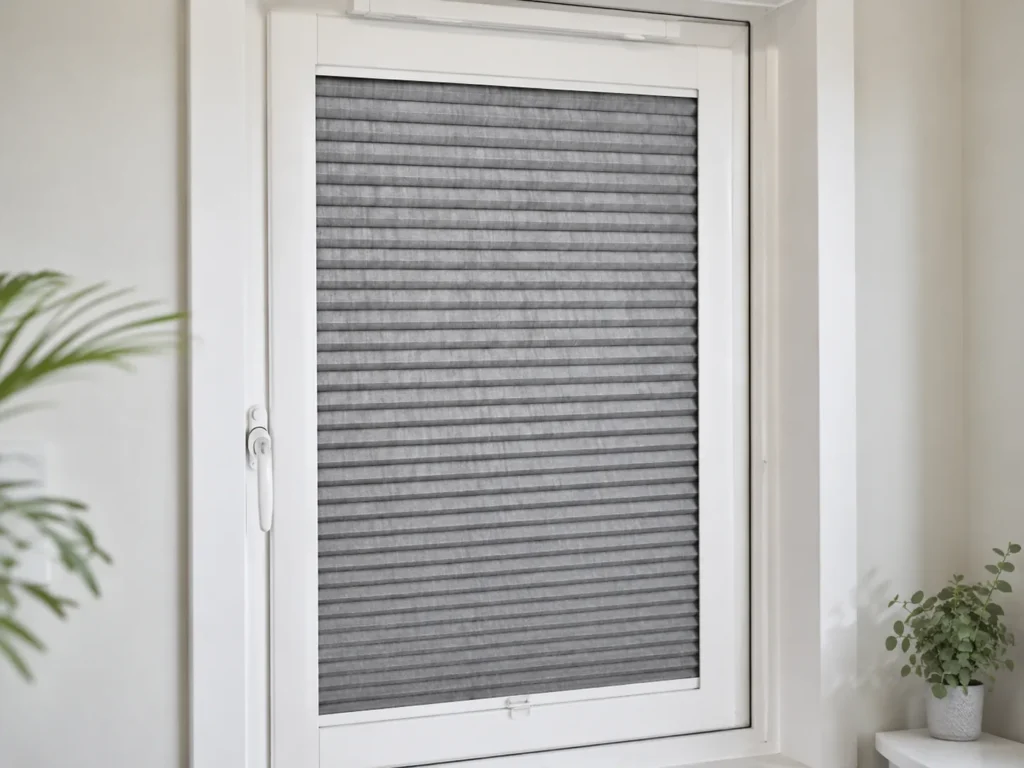
The material forms regular pleats rather than rolling around a tube or using adjustable slats.
Made-to-measure Pleated Blinds
Choose Pleated Blinds for a neat folded-fabric look, flexible light control and practical options for standard windows, compatible doors and more specialist glazing.
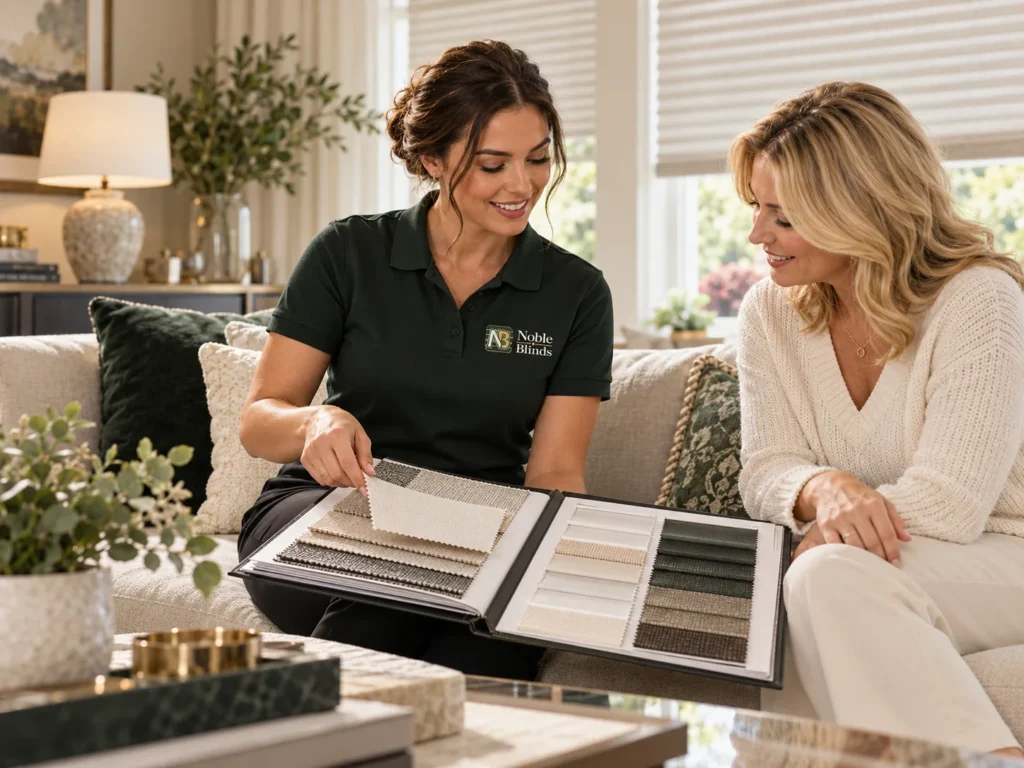
Tell us about your windows, doors or glazing and we can arrange a convenient home appointment to measure and discuss suitable Pleated blind options.
A compact fabric Blind
Pleated Blinds use fabric formed into regular folds that compress together as the blind opens, giving them a light, structured appearance at the window.
Different fabric choices can provide softer daylight, greater light reduction or stronger privacy. Suitable systems can also be considered for compatible doors, roof windows and unusual glazing, subject to the opening and fitting conditions.
Simple everyday operation
The fabric expands across the glazing when more coverage is needed and gathers back into neat folds when the blind is opened.
The material forms regular pleats rather than rolling around a tube or using adjustable slats.
Raise or lower the blind to change how much of the window is covered and how much daylight enters.
When open, the fabric gathers into a relatively compact stack instead of leaving a large area of fabric visible.
The operating method depends on the chosen system, with manual and confirmed motorised Pleated options available where appropriate.
Practical reasons to choose them
Pleated Blinds combine a distinctive fabric appearance with practical light-control choices and fitting options for several types of glazing.
The folded construction can create a neat appearance where keeping the window treatment visually light matters.
Choose suitable light-filtering, Dimout or Blackout fabrics according to how much daylight you want to retain or reduce.
Pleated fabric gives a softer look than horizontal slats while remaining more structured than heavily folded soft furnishings.
Standard and Perfect Fit Pleated solutions provide different approaches for compatible windows and glazed doors.
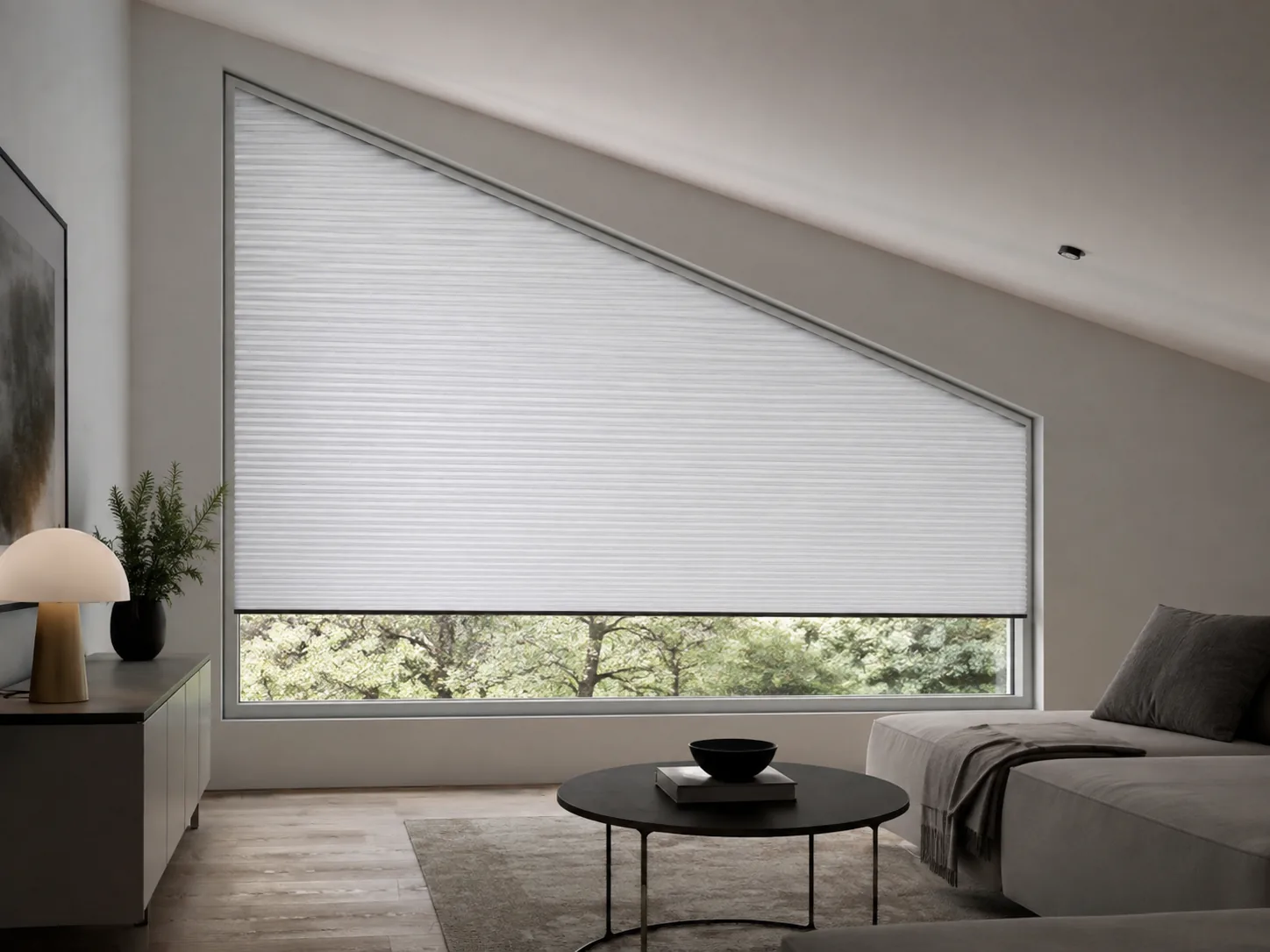
Appropriate Pleated systems may also be considered for roof glazing, shaped windows and other specialist openings.
Motorised Pleated options can make suitable high or difficult-to-reach glazing easier to use.
Choose your light level
Choose the fabric around how bright you want the room to feel, how much privacy you need and whether stronger light reduction matters.
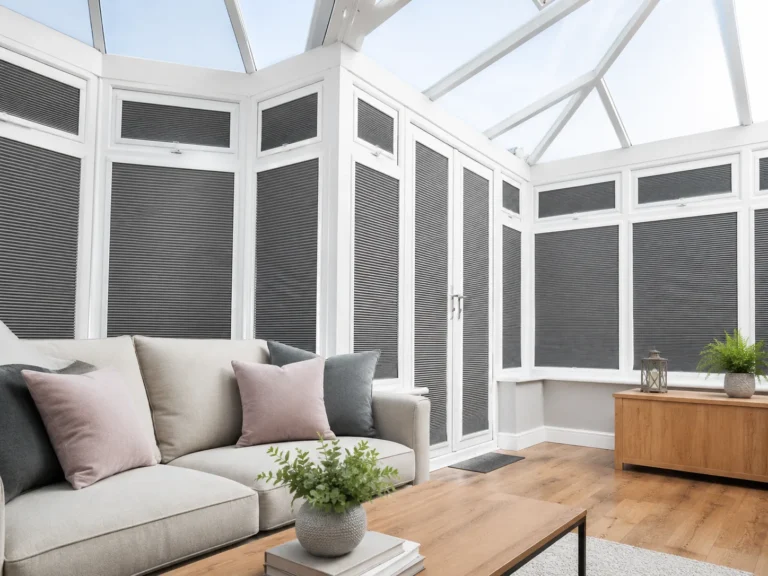
Softer daylight
Light-filtering fabric softens incoming daylight while retaining more natural brightness where strong darkening is not the aim.
More subdued
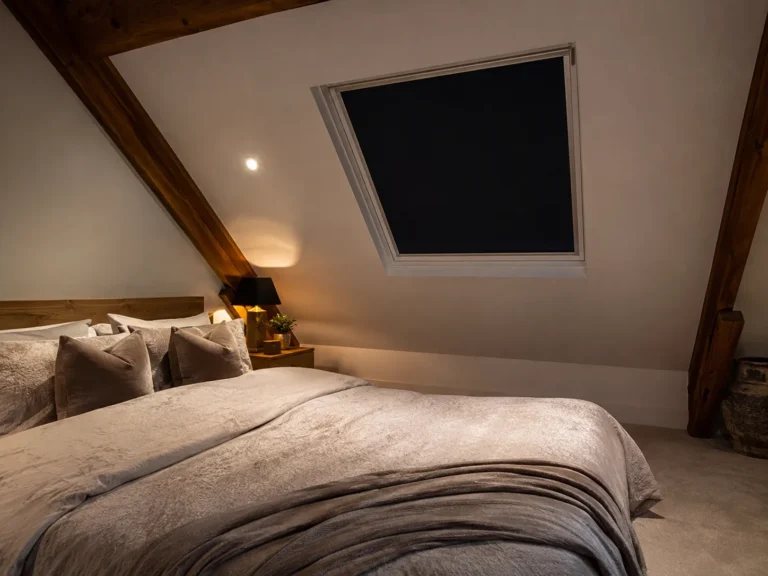
Dimout fabric reduces incoming light more noticeably while stopping short of the stronger light blocking associated with Blackout fabric.
Stronger reduction
Blackout fabric blocks light through the material, although some light may still enter around the blind depending on the fitting.
Balance the room
Different fabrics and blind positions can change how exposed, bright or shaded a room feels throughout the day.
Privacy
A suitable fabric can reduce direct views through the window while still retaining useful natural light.
After dark
Privacy needs often change after dark when indoor lighting is stronger, so fabric opacity should reflect evening use.
Comfort
Covering more of the glazing can soften harsh light and make bright rooms or screens more comfortable.
Brightness
Where brightness matters, lighter-filtering fabrics can provide a softer alternative to choosing the darkest available option.
Easier operation
Motorised Pleated Blinds can be particularly useful where a compatible blind is positioned high, difficult to reach or likely to be adjusted frequently.
The exact motor, power arrangement and controls depend on the selected system. App, voice or wider smart-home control should only be expected where the particular system supports it.
Explore Motorised Blinds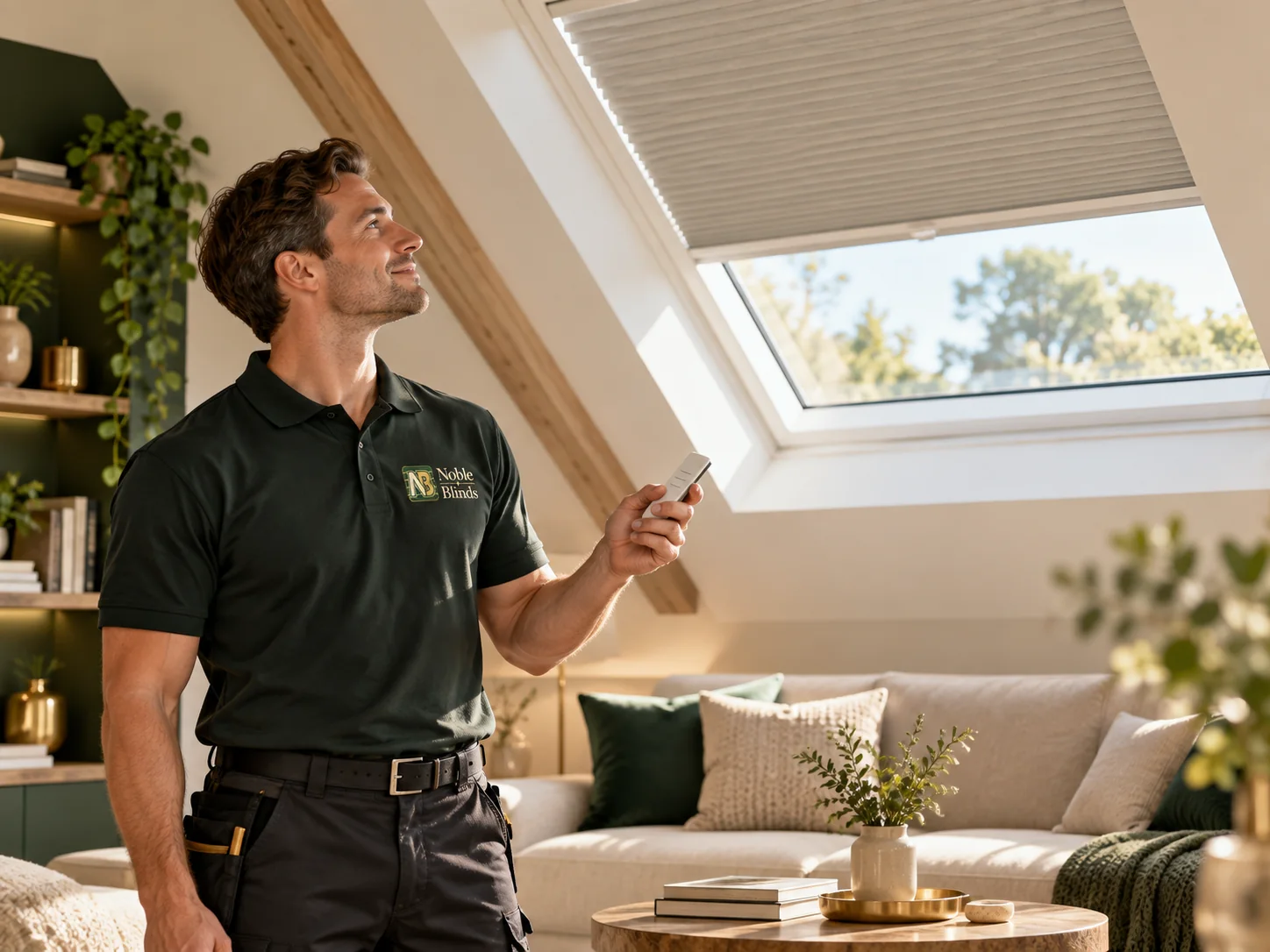
Related but different
Both use a folded appearance, but their construction differs. That distinction matters when comparing practical characteristics and performance claims.
Standard Pleated Blinds generally use a single folded fabric structure and suit customers prioritising a compact fabric appearance, privacy and suitable light control.
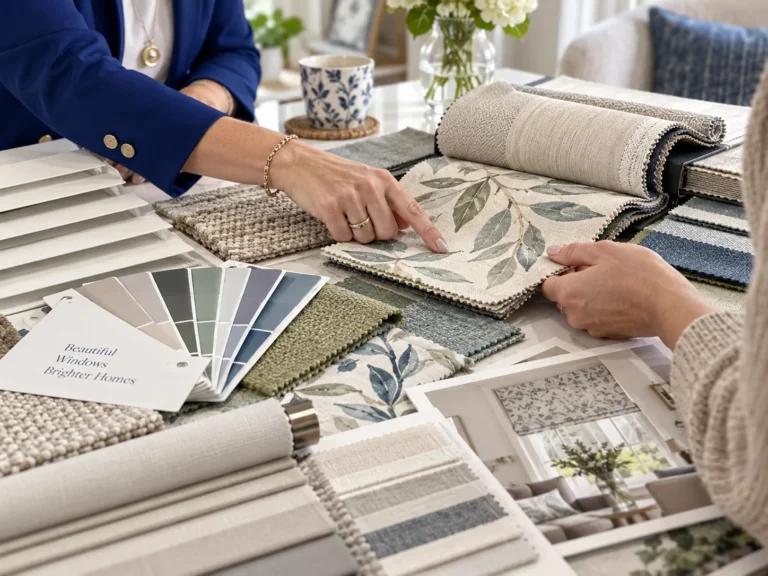
Cellular or Honeycomb products use internal cell-like pockets. Availability and any specific performance claims should be confirmed for the actual system.
Around the home
The most suitable choice depends on how the room is used, the glazing and the level of light and privacy you want.
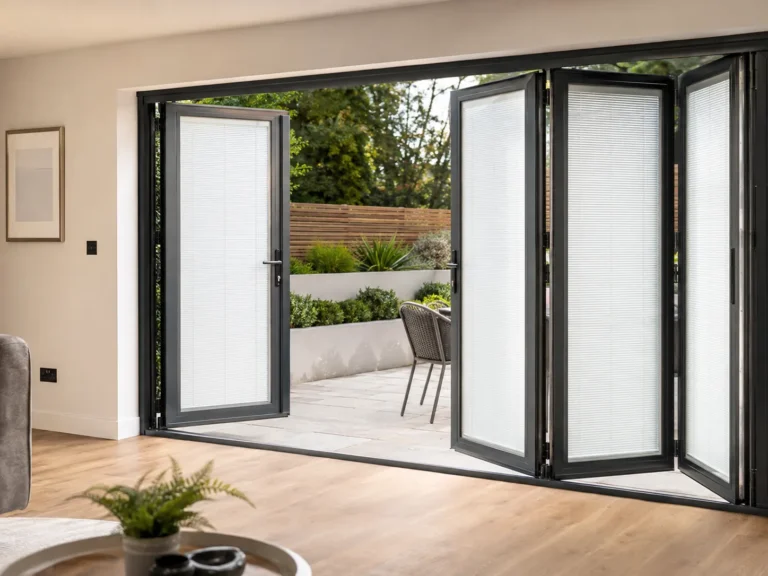
Pleated Blinds can soften strong daylight while keeping the window treatment visually light and understated.
Dimout or Blackout Pleated options may suit bedrooms where stronger light reduction and privacy are important.
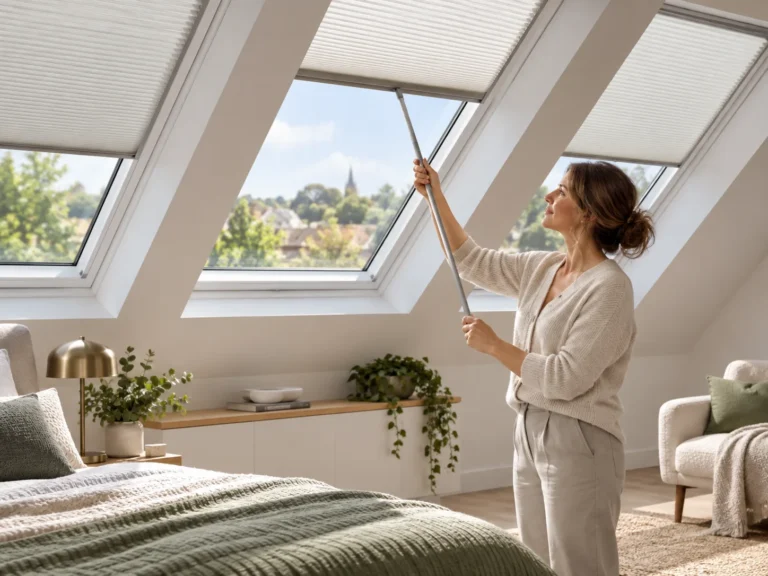
A suitable Pleated blind can soften glare around screens while retaining useful daylight when complete darkening is unnecessary.
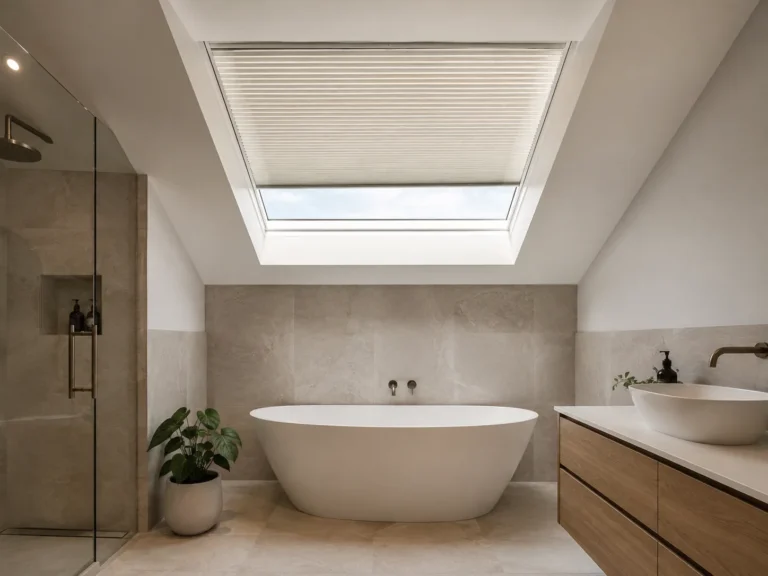
Pleated fabrics can provide practical shading without introducing the heavier appearance of some traditional fabric treatments.
Start with the window
Available fitting space and how the window operates are usually more important than the room name.
Standard
Many ordinary windows can suit Pleated Blinds where enough fitting space is available and normal operation remains clear.
Opening
Where a window opens inward or has projecting hardware, the blind position must allow normal movement and access.
Shallow
The compact Pleated format may be worth considering where recess space is limited, although the actual depth still needs measuring.
Plan around movement
A door blind needs to work with the way the door opens and closes, not simply cover the glass.
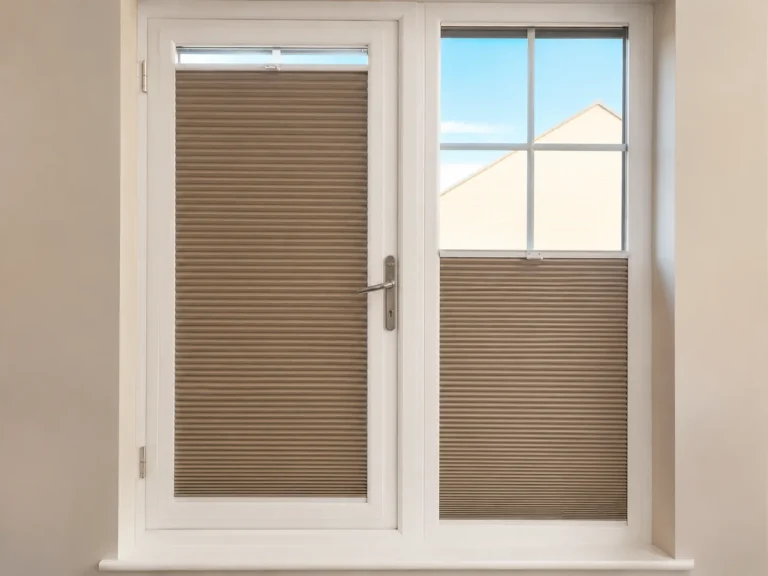
Paired doors
Individual Pleated solutions may suit compatible French doors where handles, locks and the meeting point remain clear.
Folding panels
Frame-mounted Pleated options can be useful on compatible bi-fold panels because each blind can remain with its door.
Regular access
The opening method and frequency of use should be considered so the blind does not make everyday access awkward.
Different glazing zones
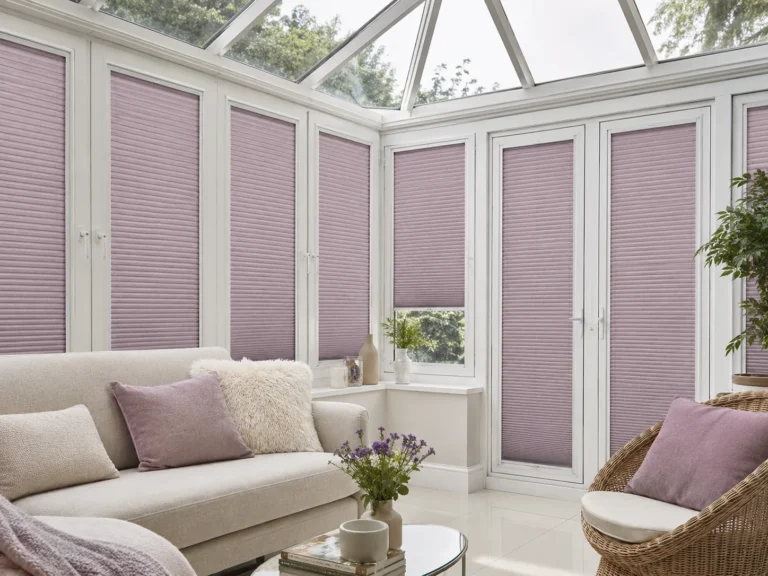
A conservatory can contain very different openings, so it is often better to assess each glazing area separately.
Vertical glazing
Pleated Blinds can provide privacy and light control on suitable conservatory side windows while keeping a neat fabric appearance.
Moving panels
Compatible door-mounted Pleated options can keep the blind with the individual door where regular movement needs to remain easy.
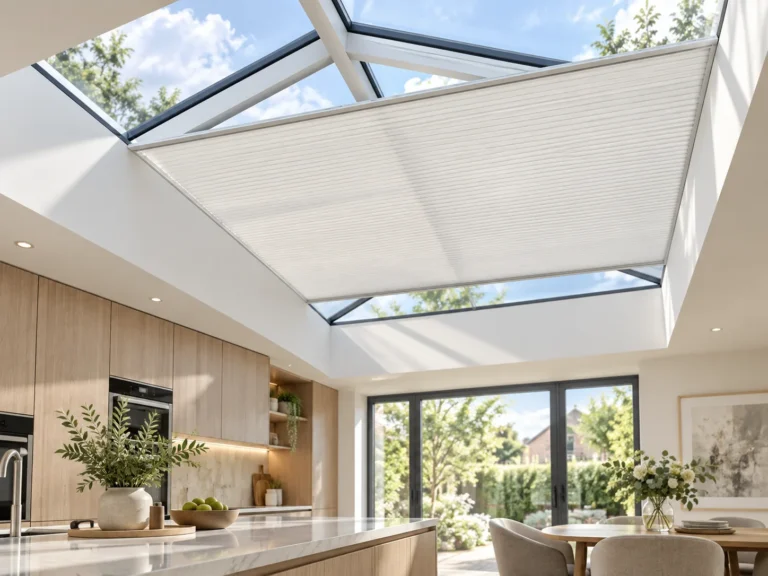
High glazing
Higher or angled glazing may require a specialist system and, where suitable, powered operation for practical adjustment.
Access changes the decision
A blind may fit the glazing but still be inconvenient if regular operation requires awkward reaching or specialist access.
Windows positioned well above normal reach need an operating method that remains practical for everyday use.
Overhead or sloping glazing requires a suitable system that stays controlled against the window.
Furniture, stairs, deep reveals or unusual room layouts can make manual controls harder to reach comfortably.
Where a compatible blind is difficult to access, motorisation may provide more practical everyday control.
Narrow down the choice
Start with the opening and the result you want rather than choosing purely by appearance.
A straightforward choice for suitable conventional windows where the folded fabric look and practical light control are the main priorities.
Worth considering on compatible opening windows and glazed doors where a close frame-mounted finish is useful.
Choose stronger-opacity fabrics when reducing incoming light matters more than retaining a bright room.
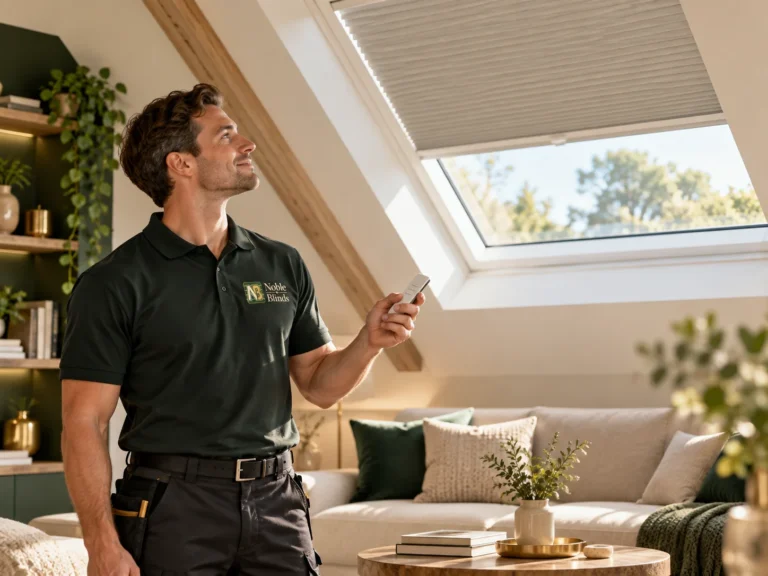
A practical option for suitable high, awkward or frequently adjusted glazing.
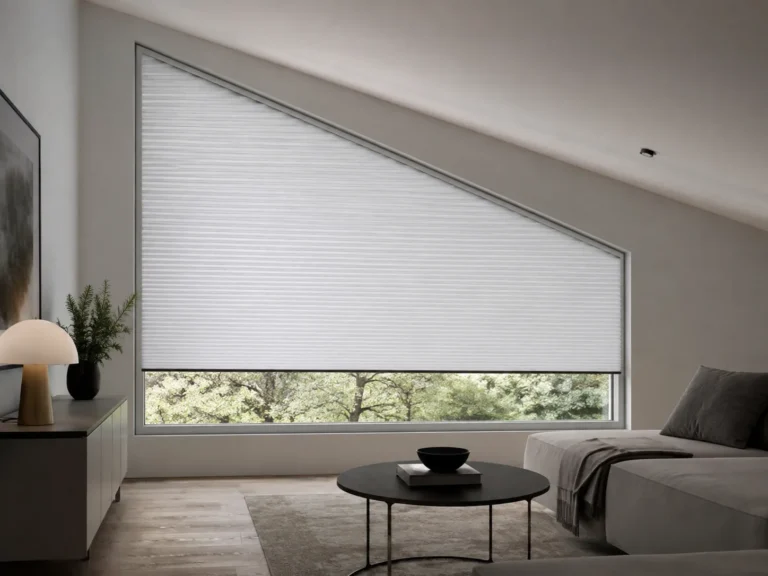
Roof windows, gables and angled glazing may need a Pleated system designed specifically around the opening.
Know what to expect
Understanding the fitting conditions helps avoid choosing the right-looking blind for the wrong opening.
Light
Blackout fabric blocks light through the material, but light may still enter around edges depending on the system and fitting.
Space
Pleated fabric gathers compactly, but it still occupies some space when fully open and can reduce the clear glass area.
Clearance
Handles, locks and vents can affect where the blind can sit and how easily the window or door operates.
Compatibility
A standard Pleated blind cannot automatically be used on every roof, angled or unusually shaped window.
Check the opening properly
Professional measuring considers the opening as a whole rather than taking only a width and drop.
Accurate measurements establish the usable opening size and proportions needed for the made-to-measure blind.
Available depth can affect whether the preferred fitting position is practical, especially where the recess is shallow.
The surrounding frame or recess needs enough suitable space for the selected blind system.
Projecting hardware and ventilation points need to remain accessible and clear of the blind.
Windows and doors should still open, close, fold or tilt normally after the blind has been fitted.
Perfect Fit, motorised, roof-window and shaped-glazing systems each need their relevant compatibility checked before ordering.
Compare the main Blind styles
Different windows and priorities suit different blind types. Compare the main options before deciding which route deserves a closer look.
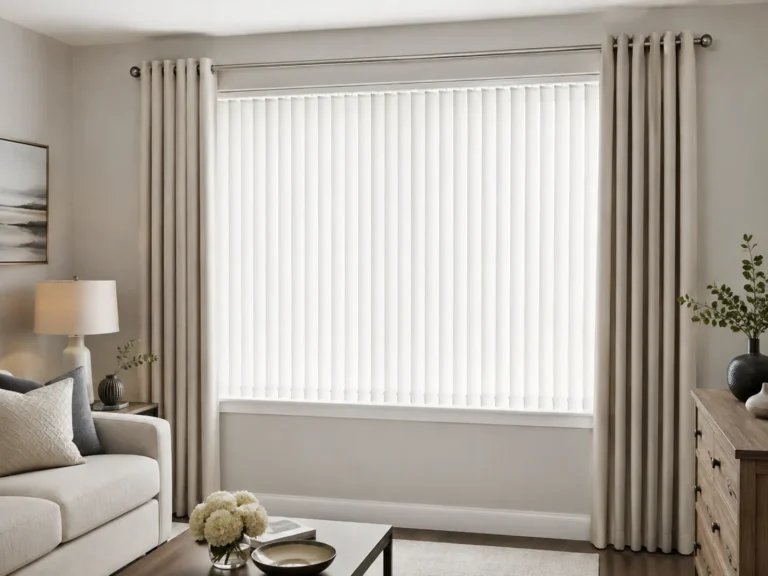
Adjustable vertical louvres can work particularly well across wide windows where flexible daylight and privacy control matter.
Explore Vertical Blinds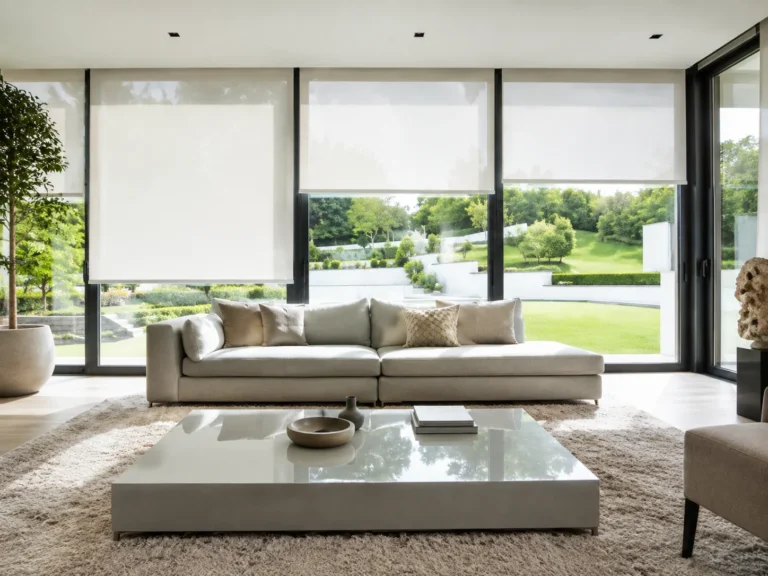
A simple flat-fabric option with a clean appearance and a broad choice of practical light-control fabrics.
Explore Roller Blinds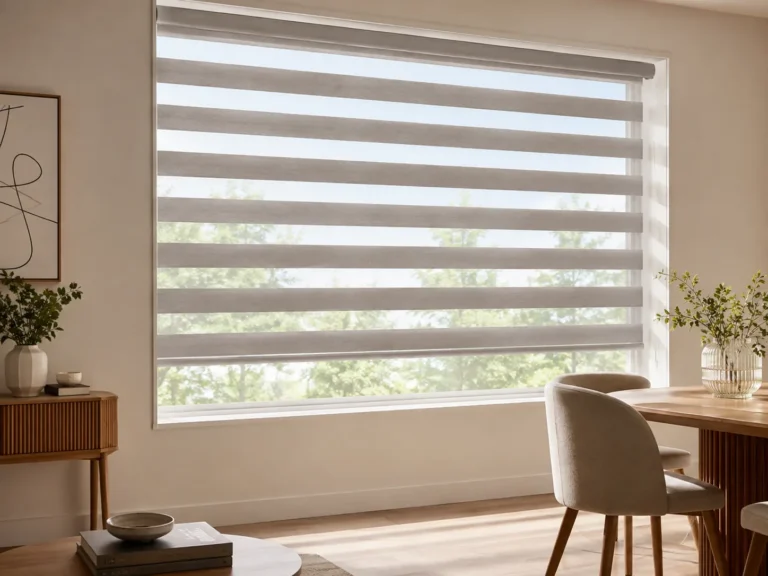
Alternating sheer and opaque fabric bands provide a different way to manage daylight, privacy and view-through.
Explore Vision Blinds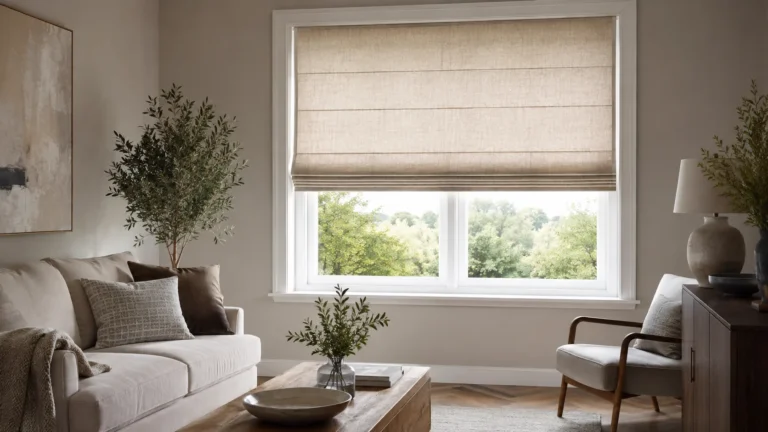
A softer decorative fabric option that folds into horizontal sections as the blind is raised.
Explore Roman BlindsFrame-mounted options for compatible windows and glazed doors where an integrated fitting method is preferred.
Explore Perfect Fit Blinds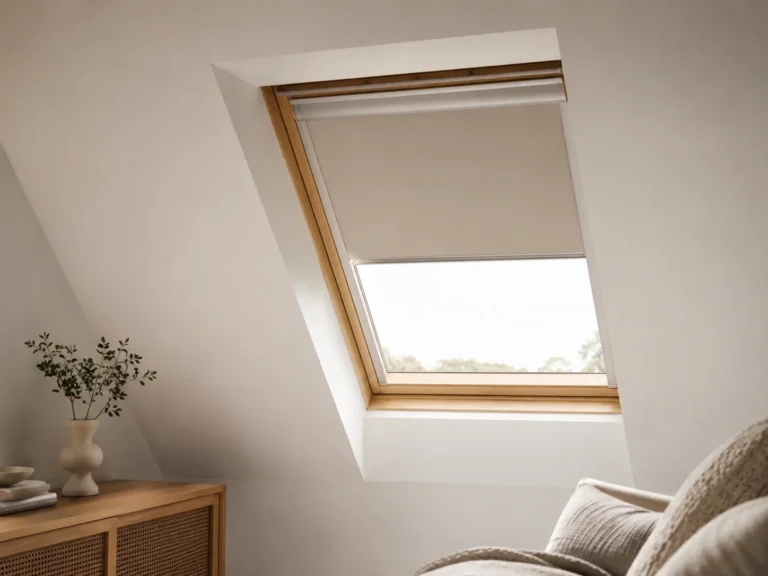
A dedicated route for genuine VELUX roof-window requirements where model and window compatibility matter.
Explore VELUX BlindsCompact folded fabric with light-filtering, Dimout, Blackout, Perfect Fit and motorised options.
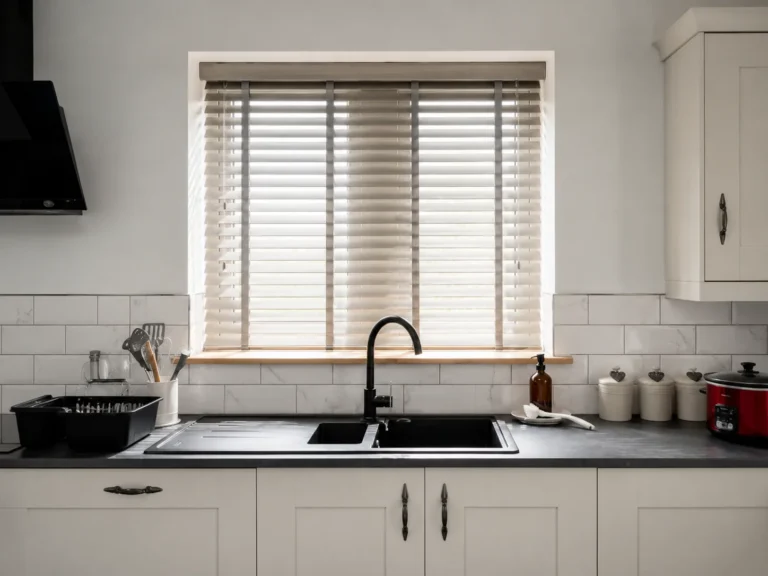
Horizontal adjustable slats provide directional daylight control and flexible privacy.
Explore Venetian Blinds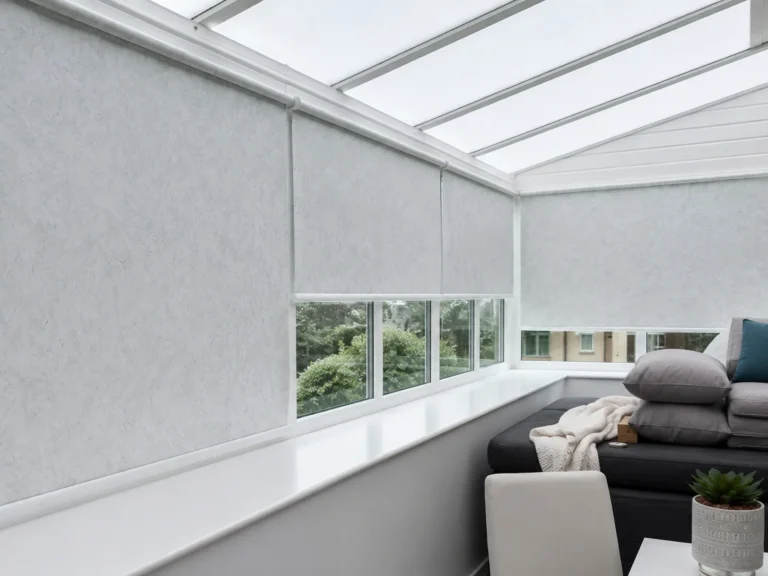
Explore whole-conservatory shading across suitable side windows, doors and upper glazing.
Explore Conservatory Blinds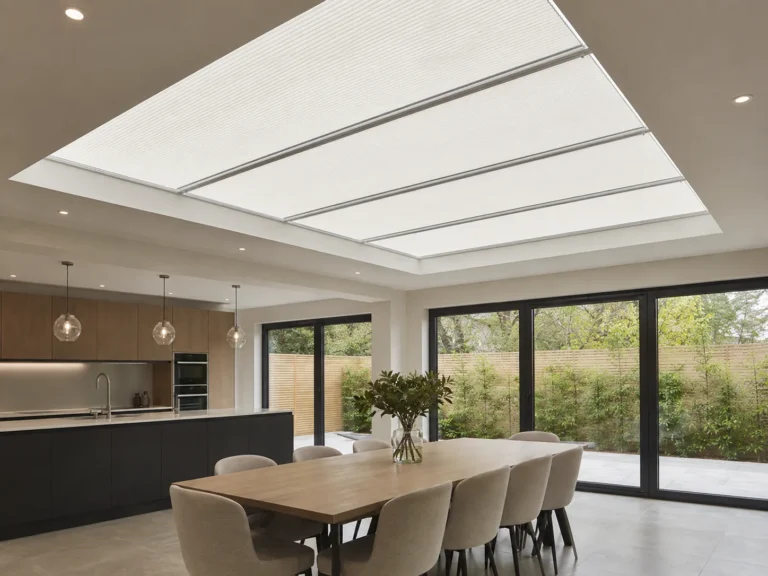
Specialist shading for overhead roof-lantern glazing where access and operation require careful planning.
Explore Roof Lantern Blinds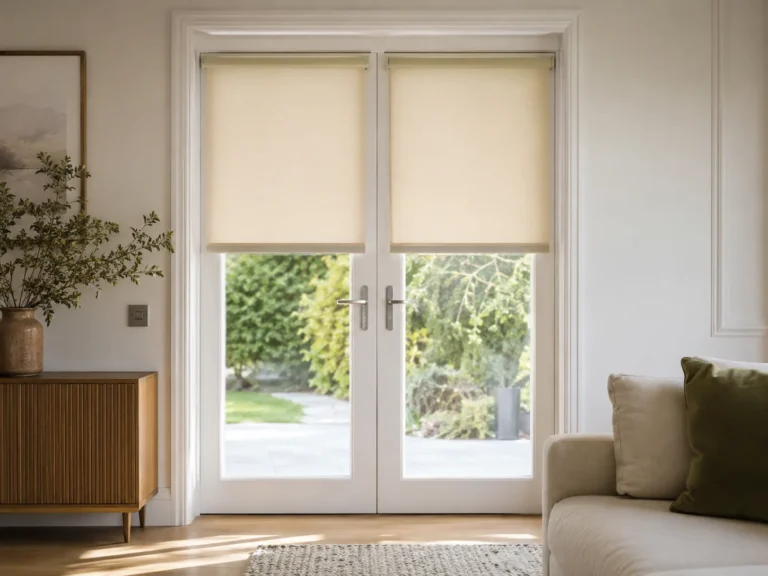
Compare blind approaches for glazed doors where movement, handles, clearance and everyday access matter.
Explore Door Blinds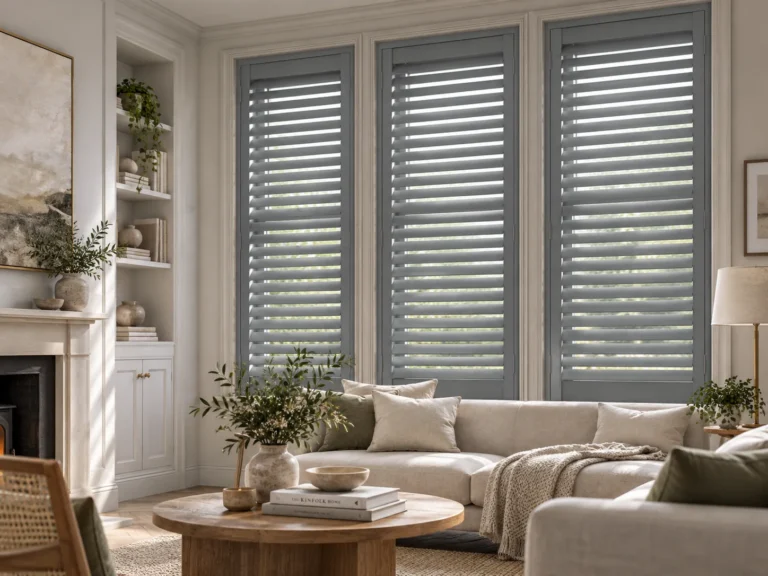
A structured interior window covering with adjustable louvres and different panel arrangements.
Explore Window ShuttersDoor-specific guidance
Different doors move in different ways, so the most practical blind choice changes with the opening.
Bi-fold panels need blind options that do not prevent the doors folding and stacking as intended.
ExplorePaired hinged doors need careful attention to handles, locks, individual-door movement and everyday access.
ExploreWide sliding or patio doors require a solution that manages large areas of glass without making regular access awkward.
ExploreExplore specialist needs
Use these guides when your main priority is the window type, stronger light reduction, powered operation or another specialist requirement.
Compare fitting approaches for bays with several panes, changing angles and limited clearance.
Understand stronger room-darkening options and why fabric choice is only part of the final result.
Explore powered operation for suitable Blinds, particularly where access or frequent adjustment matters.
Find guidance for generic skylights and roof windows where angle, access and compatibility affect the system.
Explore alternating sheer and opaque fabric bands for adjustable daylight and privacy.
Compare real-wood and faux-wood slatted options where material appearance and practicality are important.
From enquiry to fitting
We keep advice, measuring, quotation and fitting connected so practical issues can be dealt with before the blind is ordered.
Contact Noble Blinds and choose a convenient time for a home appointment.
We assess the opening, take measurements and discuss suitable Pleated blind options around your light, privacy and operating needs.
Compare suitable options and receive a quotation based on the agreed made-to-measure specification.
Once your blind is ready, Noble Blinds professionally fits it and checks the finished installation.
Local Pleated Blind service
Choose your Area to continue to the relevant published Pleated Blinds page for local measuring, advice and fitting information.
Genuine customer feedback
Read genuine Google feedback about Noble Blinds service, advice, communication, measuring, professional fitting and the finished result.
Very nice and professional, paying attention to details and your wishes and make sure that everything is how would you like to be, high quality too. Highly recommended 💯
Great customer service quote and fitting are quick I’m really happy with my blinds they look stunning! Thank you again TikTok friend
Excellent service from start to finish. Good quality blinds friendly and efficient chap who knows his stuff. Fitted all mine today in no time. Would definitely recommend Luxury Blinds
Great service and amazing quality blinds all fitted very professionally plus very quick service. Thank you
Fast and efficient service, blinds look great and made room look new.
The person was great and love the blinds .thanks
Great service, fantastic job, great quality! Patient and understanding and I'm definitely recommending to family and friends. Thank you again!
Job well done and very friendly service, highly recommend this company
Great service, fantastic job. I’m very happy with the service definitely I’m gonna recommend my family and friends thank you.
Professional service provided and amazing quality blinds, would highly recommend. Thank you.
Help from choice to fitting
Our service helps you choose a suitable made-to-measure blind for the actual window rather than relying on standard sizes or guesswork.
Discuss your windows, room and priorities at home before making a final decision.
We take the measurements needed for the agreed made-to-measure blind specification.
Compare suitable blind types, fabrics and fitting approaches around the way the opening is actually used.
Receive a quotation based on the agreed blind and specification before you proceed.
Your made-to-measure blind is professionally installed rather than leaving you to arrange fitting separately.
Contact Noble Blinds after fitting if you need help with the supplied product or installation.
Ready to discuss your windows?
Book a home appointment to compare suitable Pleated blind options, have your openings professionally measured and receive a quotation before deciding.
Practical questions answered
These questions cover practical details that often become important when comparing fitting methods, opening types and everyday operation.
Pleated Blinds can be worth considering where fitting space is limited because their folded fabric and compact system can keep the window relatively uncluttered. Recess depth, handles, vents and other obstructions still need checking, and another fitting position or blind type may sometimes be more practical.
Pleated fabric gathers into folds when opened, while a Roller blind winds around its tube. Which leaves more usable glass depends on the finished blind, so the expected stack or roll position should be considered during measuring rather than assuming one is always better.
Standard Pleated Blinds can make sense when the priority is a lightweight, compact window covering with straightforward privacy and light-control choices. Cellular or honeycomb blinds use a different construction, so the better choice depends on the opening and the result you want.
The blind needs to work with the door rather than make everyday use awkward. Check handle and lock clearance, how far the door opens and whether the blind could catch nearby surfaces. Perfect Fit Pleated may help on compatible doors, but suitability should be confirmed first.
Compatibility depends on the actual frame and glazing rather than simply whether the window is uPVC. The glazing arrangement, available space, handles, vents and other fittings need checking, so the individual opening should be professionally assessed before ordering.
Light-filtering Pleated fabric softens incoming daylight while retaining useful brightness. Blackout fabric blocks much more direct light through the material, but it does not guarantee a completely dark room because light can still enter around the edges depending on the fitting and window.
Motorisation is most useful where a blind is high, difficult to reach or adjusted frequently. It can also make regular operation more convenient across several suitable Blinds. The available motor and control options should be confirmed for the chosen Pleated system.
An ordinary rectangular blind cannot simply be assumed to work on every angled or shaped opening. The blind has to suit the geometry and remain properly controlled as it moves, so the shape, dimensions and operating position need assessing first.
Not necessarily. Roof glazing is angled, so the blind may need a system specifically suited to that position rather than a standard blind for an upright window. The window type, angle, access and required light control should all be checked first.
Check how far handles and locks project, whether vents need to remain accessible, the usable fitting depth and how much room the blind will occupy when fully opened. These details can affect operation and the usable glass area, so the actual opening should be measured.