
Vision Blinds
The terminology used on this page for the layered translucent-and-opaque fabric blind supplied in different fabrics, finishes and operating formats.
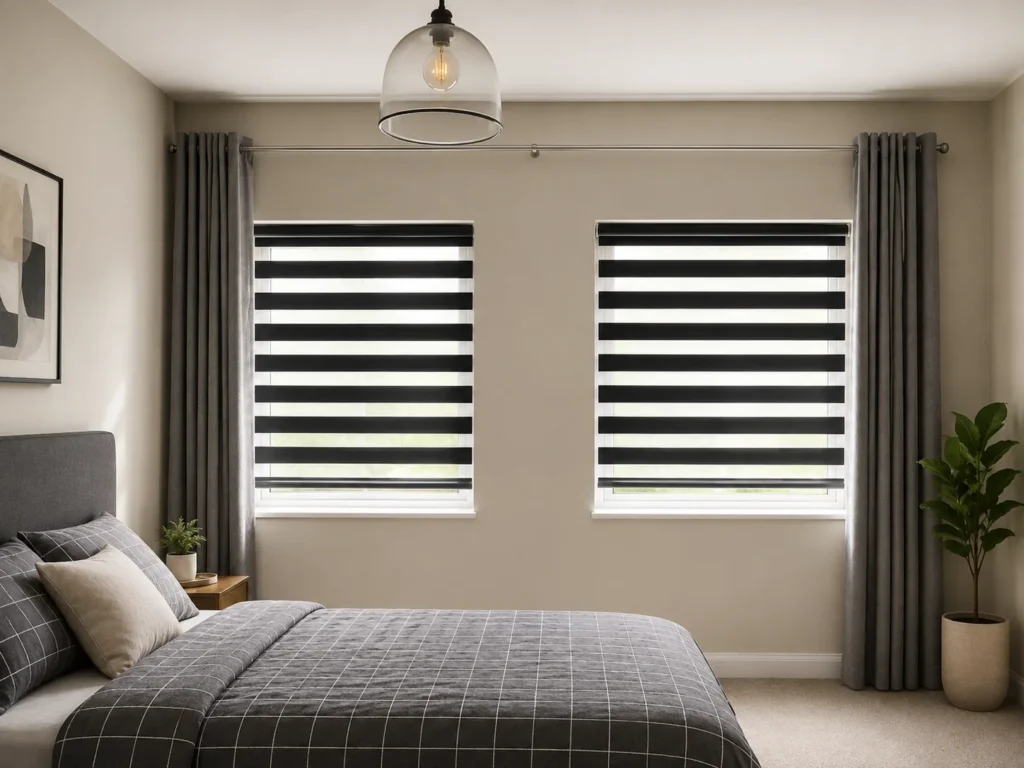
Made-to-Measure Vision Blinds
Adjust daylight, privacy and outward view with made-to-measure Vision Blinds, professionally measured and fitted for your windows by Noble Blinds.
Tell us about your windows and what you need from your blinds. We can measure the opening, discuss suitable options and provide a quotation.
Vision Blinds Explained
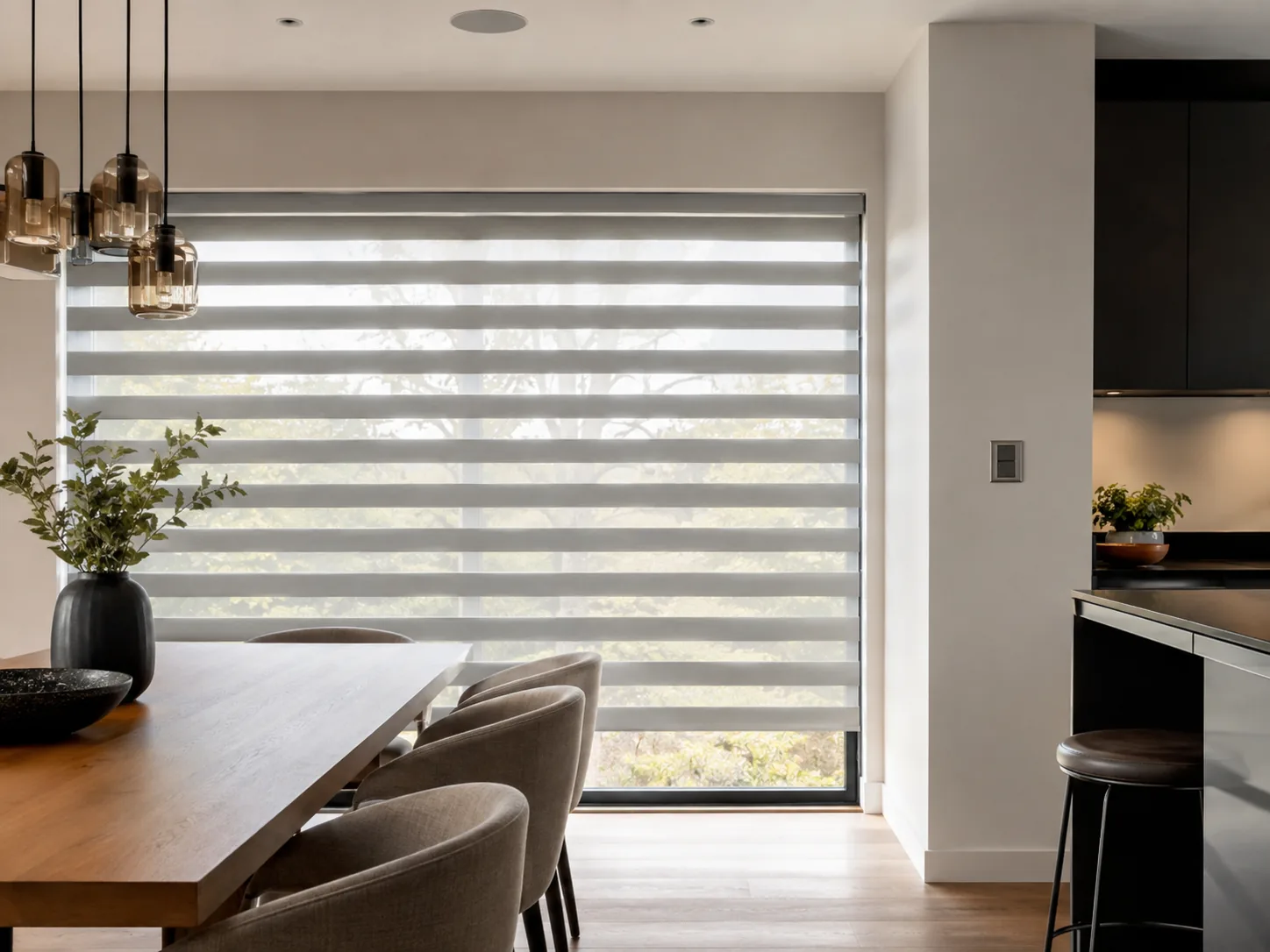
Vision Blinds use two layers of fabric with alternating translucent and opaque horizontal bands. The layers pass in front of one another, allowing different amounts of fabric and glazing to remain visible.
This layered construction gives Vision Blinds their distinctive striped appearance while providing more control over everyday daylight and screening than a conventional single-layer fabric blind.
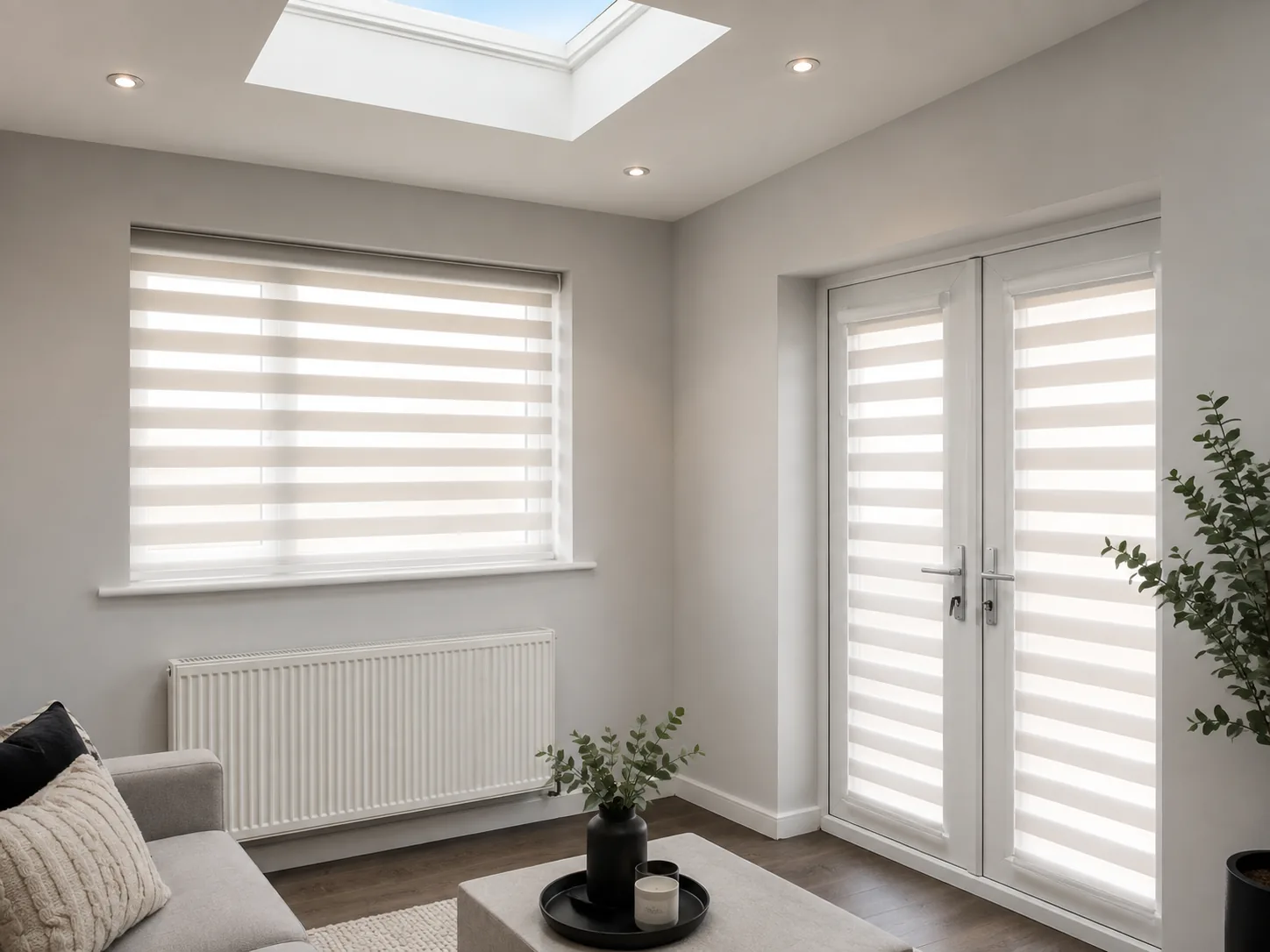
Understanding the Terminology
Several names are used for this alternating-band blind style. Understanding the terminology helps you compare products without assuming that every different name represents a different blind technology.
The terminology used on this page for the layered translucent-and-opaque fabric blind supplied in different fabrics, finishes and operating formats.
Another common name for the same broad alternating-band concept. Noble Blinds has a separate Day & Night page because customers frequently search using that wording.
A descriptive name inspired by the alternating horizontal stripes. It describes the appearance rather than a separate fitting or operating technology.
Everyday Operation
Moving the fabric changes how the alternating bands overlap, creating different balances of daylight, view-through and screening without needing to raise the entire blind every time.
Aligning more of the translucent sections allows additional daylight through and increases outward view, while providing less screening through the glazing.
A mixed position balances useful daylight with more fabric coverage, making it practical when neither maximum openness nor maximum screening is needed.
Moving the opaque sections further across reduces view-through and gives greater visual screening while retaining the soft appearance of a fabric blind.
When clear access to the glazing or a completely unobstructed view is wanted, the blind can be raised in the normal way, subject to the selected system.
Reasons to Consider Vision
Vision Blinds are particularly useful where changing daylight and privacy needs make a simple permanently covered or uncovered window less practical.
Change the band position as daylight conditions alter instead of relying only on raising or lowering the complete blind.
Increase or reduce fabric coverage according to how much privacy or outward view you want at different times.
More open positions can retain some connection with the outside while still keeping fabric across the window.
Adjusting the bands can soften bright daylight where full closure would make the room darker than necessary.
The layered construction provides practical adjustment while keeping the softer look associated with fabric window treatments.
One blind can move between several useful positions as the room, light and privacy requirements change during the day.
Finding the Right Balance
The useful feature of Vision Blinds is not one fixed privacy level. It is the ability to change the balance according to the room, time of day and amount of outside visibility.
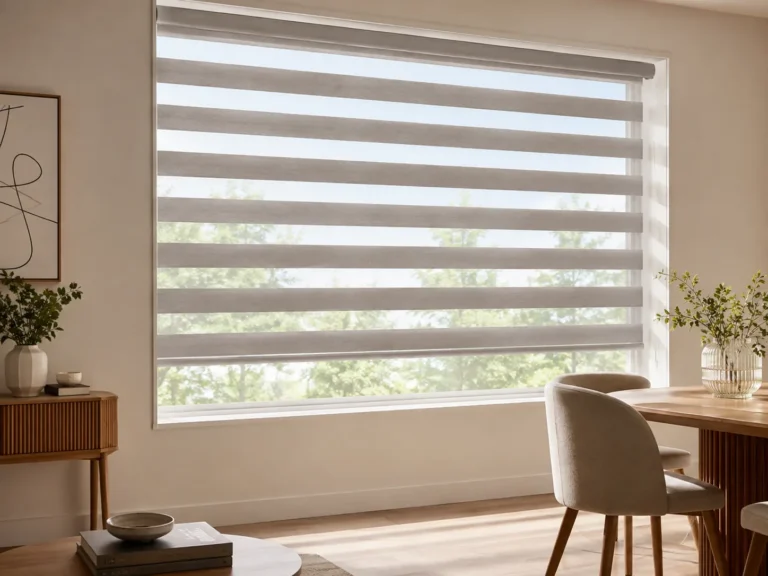
A more open alignment allows additional daylight into the room and preserves more view through the glazing. It is most useful where daytime openness matters more than stronger screening.
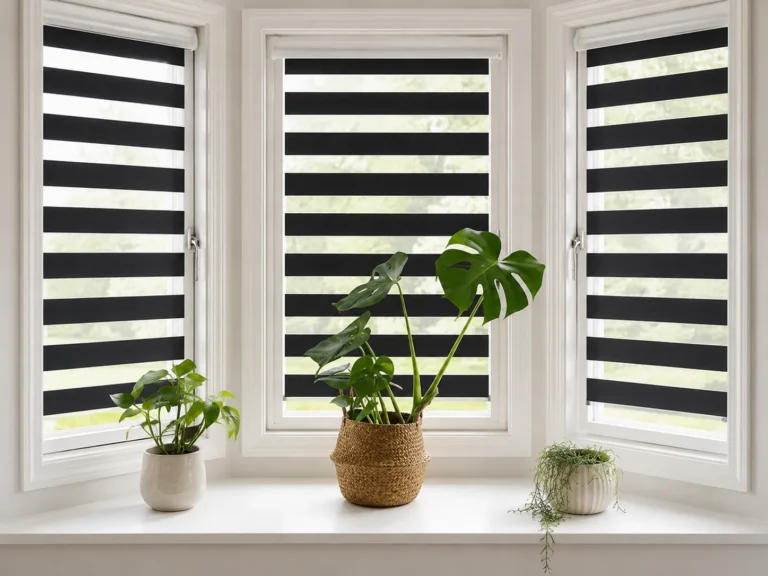
Partial overlap can retain useful natural light while reducing direct view through the blind. This often suits living spaces where conditions change throughout the day.
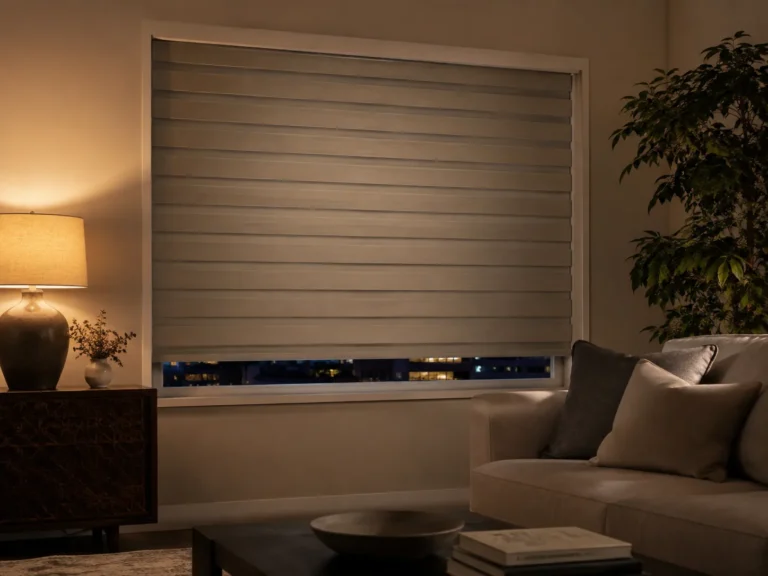
More opaque overlap provides stronger screening where privacy becomes the greater priority. Some natural light may remain, depending on fabric and surrounding conditions.
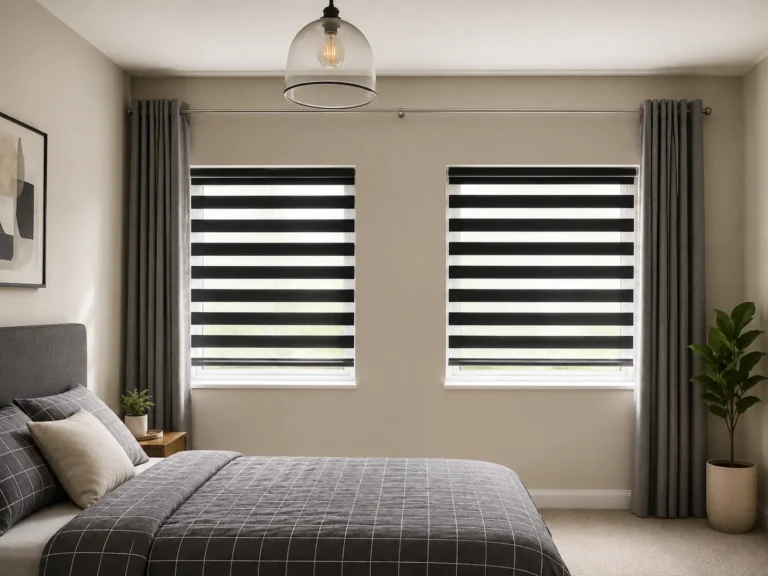
Indoor lighting can make a room more visible from outside after dark. Use greater opaque coverage rather than assuming a daytime sheer position will provide the same evening privacy.
Fabrics and Finishes
Fabric choice affects more than colour. Tone, texture and the contrast between translucent and opaque bands all influence how prominent the blind feels within the room.
Paler tones can keep the alternating-band effect subtle and work well where the window treatment should sit quietly within the room.
Darker fabrics make the horizontal band structure more noticeable and can create a stronger feature around the glazing.
Textured and woven-effect fabrics can add visual depth without relying on bold patterns or decorative detailing.
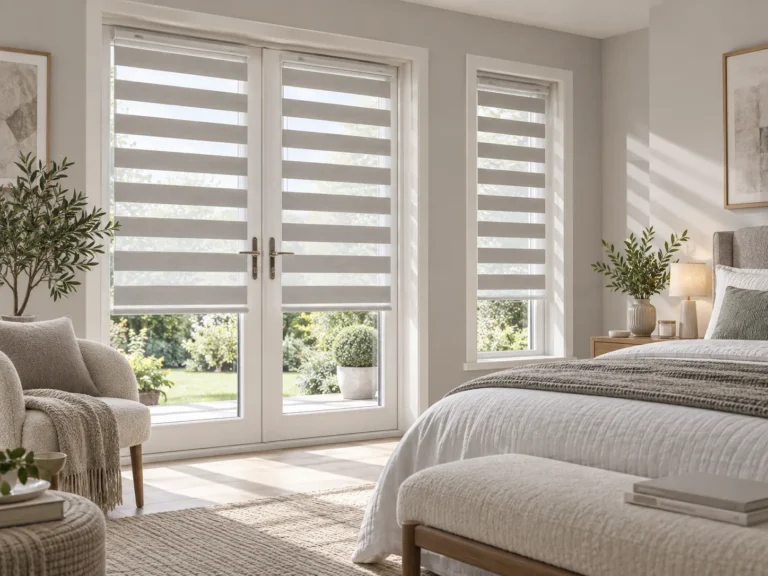
Different translucent-to-opaque designs change how obvious the alternating layers appear as the blind moves between positions.
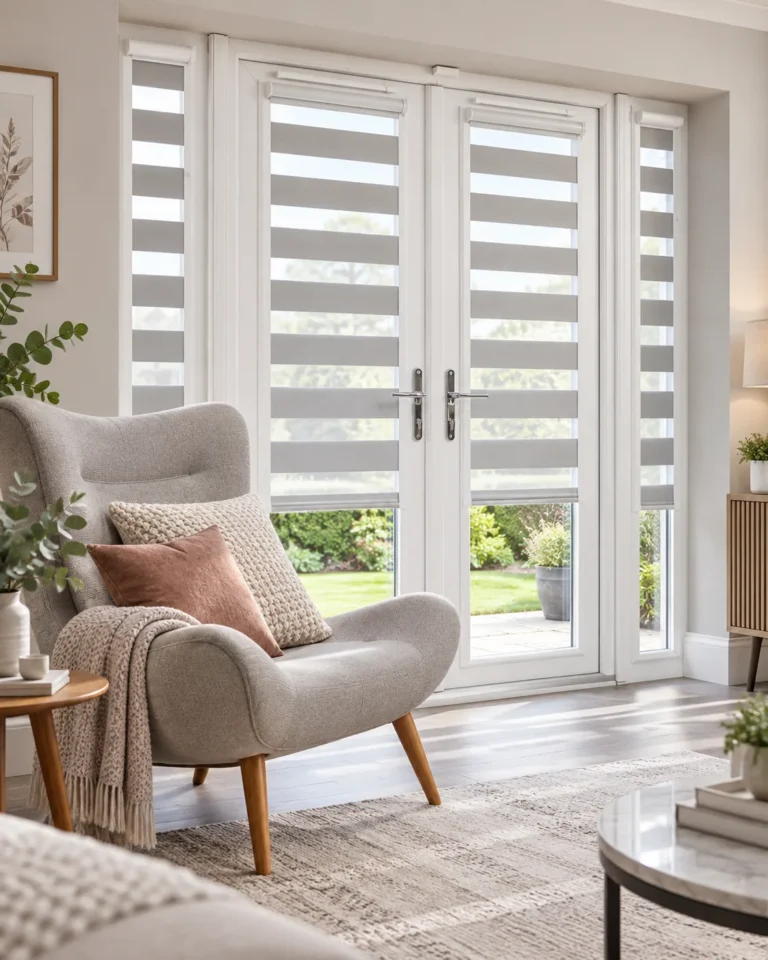
Neutral or tonal Vision fabrics can coordinate with curtains, furniture and other soft furnishings without making every window treatment identical.
Light-filtering fabrics retain more daylight, while dimout and blackout-related Vision options provide stronger light reduction. Blackout fabric can block light through the material, but the finished room may still receive light around the blind.
Around the Home
The right room is less about a fixed product rule and more about whether adjustable daylight, privacy and view-through match how that particular space is used.
Useful where changing daylight and privacy needs make adjustable fabric coverage valuable throughout the day.
A good consideration where larger areas benefit from daylight without leaving the glazing permanently uncovered.
Suitable where adjustable privacy and daylight matter, provided stronger sleeping darkness is not the overriding requirement.
Useful for moderating bright windows and screen glare while retaining more natural light than full blind closure.
Check the Opening
The blind still needs to work with the size, movement and hardware of the opening. Explore the relevant specialist guidance where your window or door needs more specific consideration.
Multiple panes and changing angles may affect blind positioning, alignment and how several blinds work together.
Handles, hinges and frequent door movement can change the most practical blind and fitting approach.
Wide glazing and regular access need to be considered together rather than choosing the blind by appearance alone.
Individual panels, folding movement and stacking space all need checking before a blind solution is selected.
Door type, available clearance and how often the opening moves should guide the most practical solution.
Where suitable, a frame-mounted system may offer a neater solution for compatible windows or glazed doors.
Powered Operation
Motorisation allows supported Vision Blinds to be adjusted without using a manual control. It is particularly useful where reach, blind size or repeated daily adjustment makes manual operation less convenient.
The motor, power arrangement and control method should be chosen around the final blind and opening rather than assuming every Vision configuration supports the same powered system.
Helpful for high windows or positions where a manual control would be uncomfortable to use regularly.
Powered operation can make repeated changes to privacy and daylight more convenient during the day.
Remote operation is available with supported systems. Other control options should be confirmed for the selected motorised Vision range.
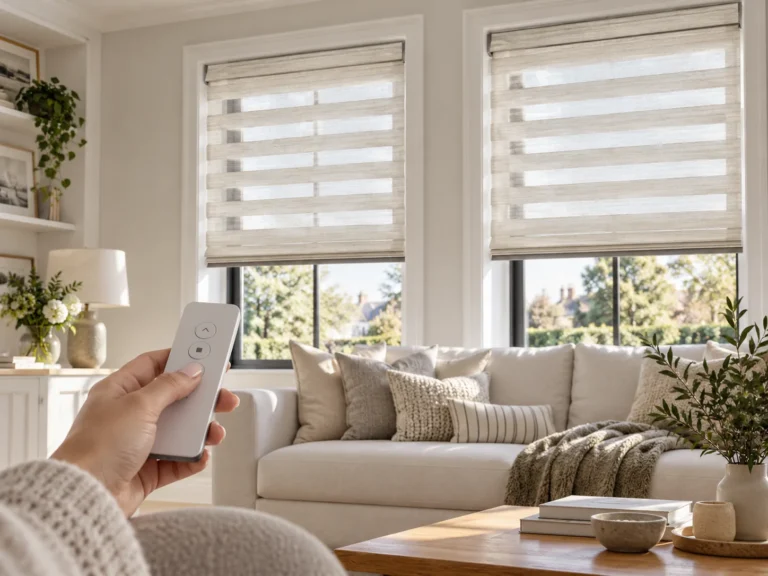
Control choice should consider who uses the room as well as how the blind operates. Manual systems should use the appropriate safety arrangement, while supported motorised operation can reduce reliance on some manual controls.
Narrow Down the Choice
Begin with what the window needs to achieve. Light reduction, access, opening movement and preferred operation usually narrow the specification more effectively than choosing a colour first.
Consider standard made-to-measure Vision Blinds where adjustable daylight, view-through and privacy are the main priorities on a conventional window.
Dimout or blackout-related fabrics may suit where reducing incoming light is more important, while keeping realistic expectations about light around the finished blind.
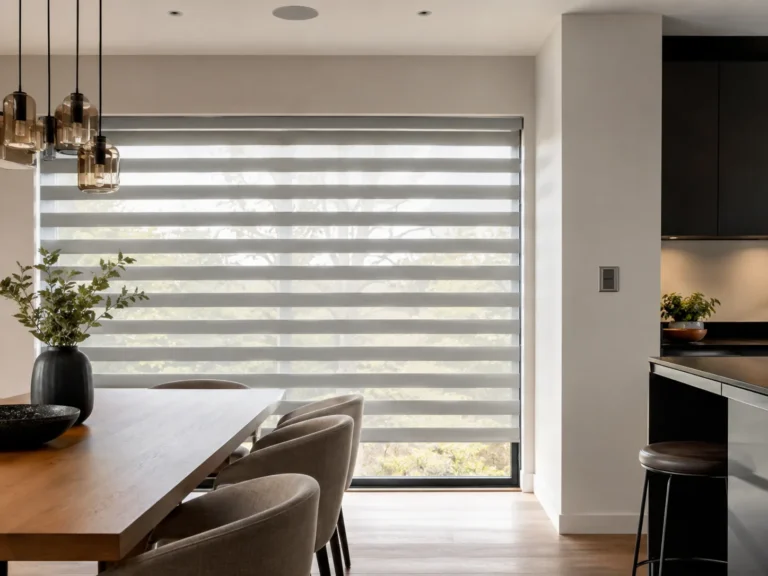
Powered operation can be useful for large, high or frequently adjusted blinds where manual control would be less convenient.
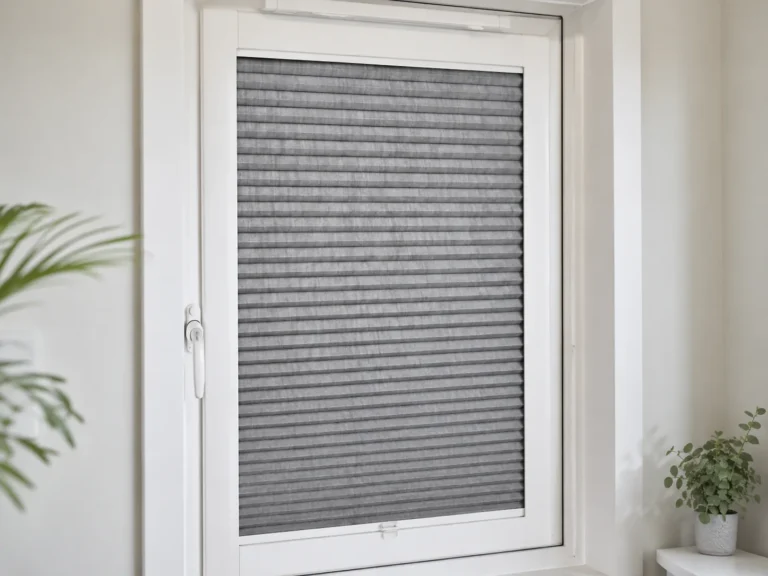
Where the frame is compatible, Perfect Fit Vision can suit windows or glazed doors where a close-to-glass blind that moves with the opening is preferred.
Compare the Alternatives
Vision Blinds combine fabric with adjustable band alignment, but another blind may be more practical where darkness, directional control, decorative softness or a particular opening is the stronger priority.
Choose Roller where straightforward raise-and-lower operation and a simple flat fabric treatment matter more than intermediate band positions.
Choose Venetian where finer directional control through tilting slats is more important than the softer layered-fabric appearance of Vision.
Choose Roman where a decorative soft-furnishing look and folded fabric are stronger priorities than frequent adjustment of view-through.
Consider Vertical for some wider windows and larger glazed openings where tilting louvres and sideways stacking suit the space better.
Pleated options may suit compact or specialist glazing applications where their lightweight folded construction is more practical.
Where strong darkness is the overriding requirement, a dedicated blackout blind solution may be preferable to choosing Vision primarily for its adjustable daytime behaviour.
Explore Other Blind Types
Vision is one route among several. Explore other blind types where a different material, operating style, opening or light-control approach may suit your home better.
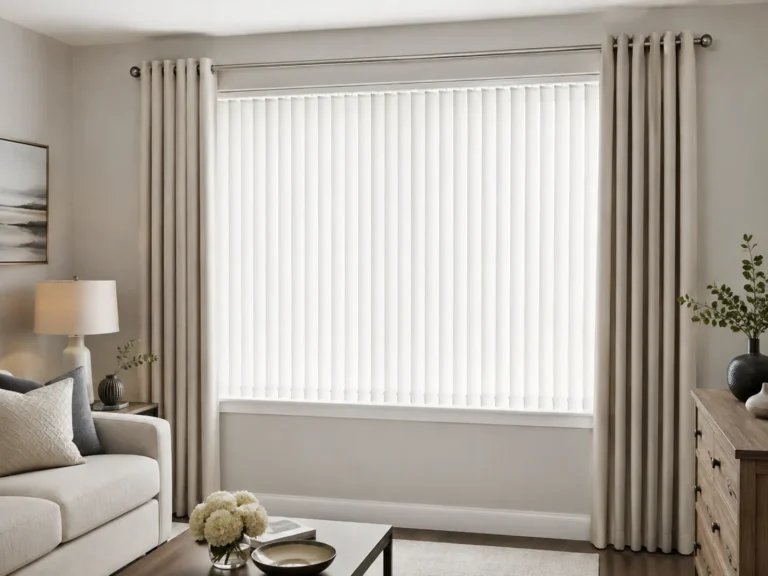
Tilting vertical louvres with sideways stacking, often useful for larger windows and glazed areas.
Explore Vertical Blinds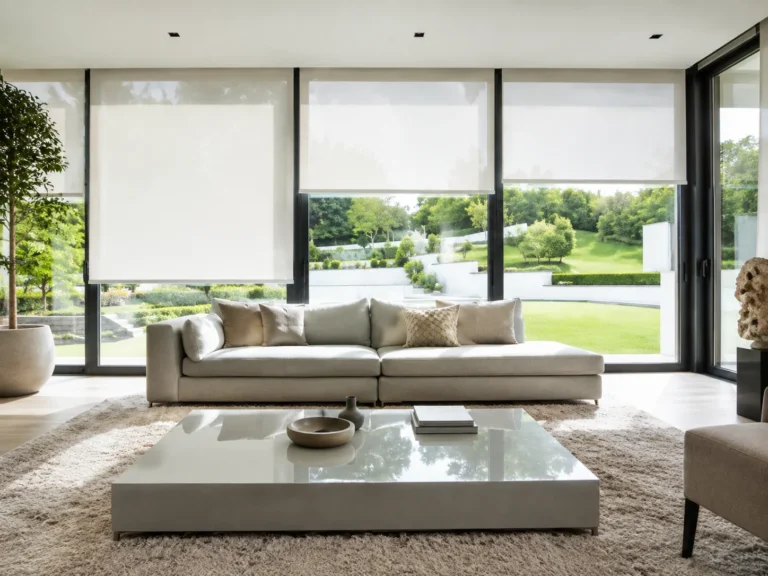
Simple flat-fabric blinds with straightforward operation and a broad range of light-control choices.
Explore Roller Blinds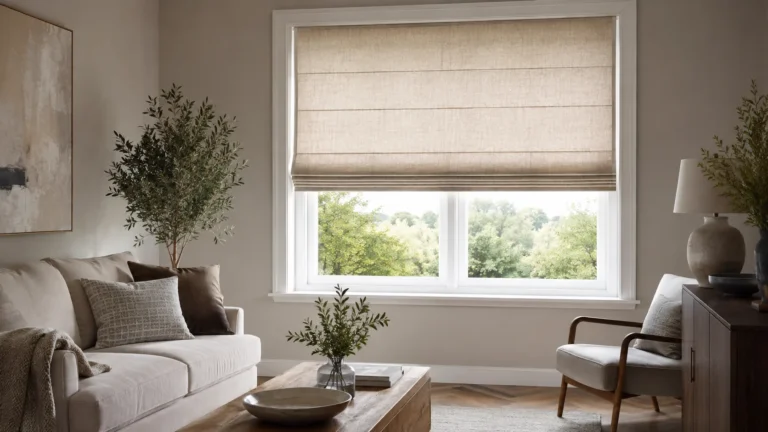
Soft fabric blinds that form decorative folds when raised.
Explore Roman BlindsFrame-mounted blind options for compatible windows and glazed doors.
Explore Perfect Fit Blinds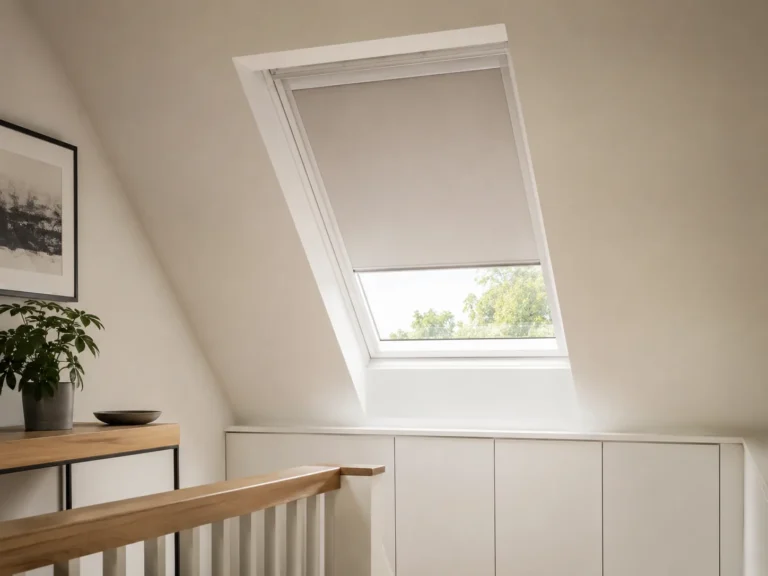
blind solutions for compatible VELUX roof windows, with product-specific fitting requirements.
Explore VELUX Blinds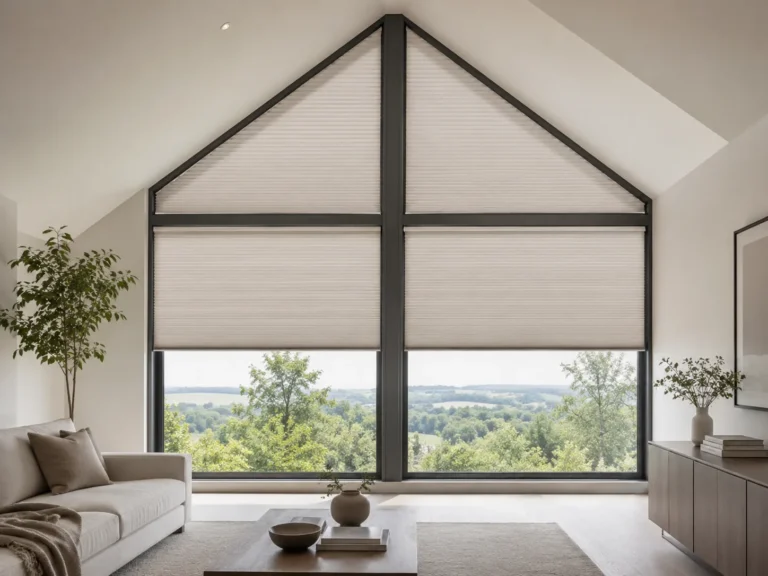
Lightweight folded fabric blinds suited to several conventional and specialist glazing applications.
Explore Pleated Blinds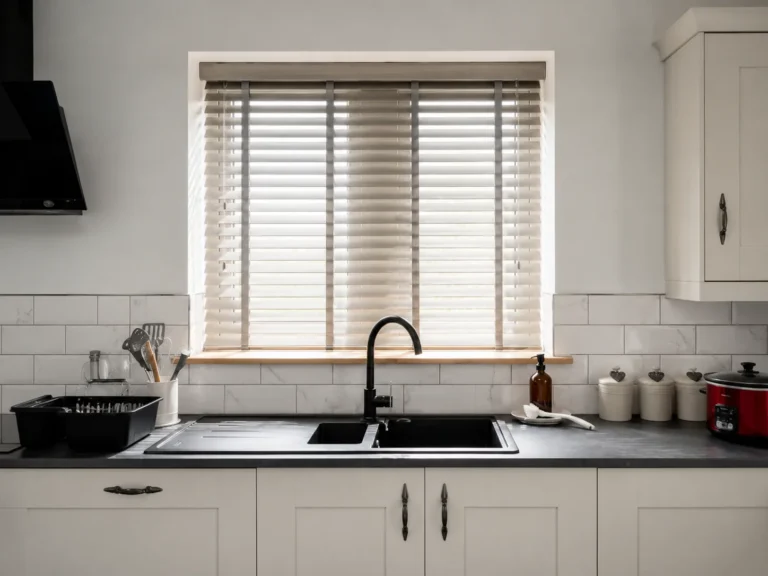
Horizontal slatted blinds providing precise adjustment of daylight and view.
Explore Venetian Blinds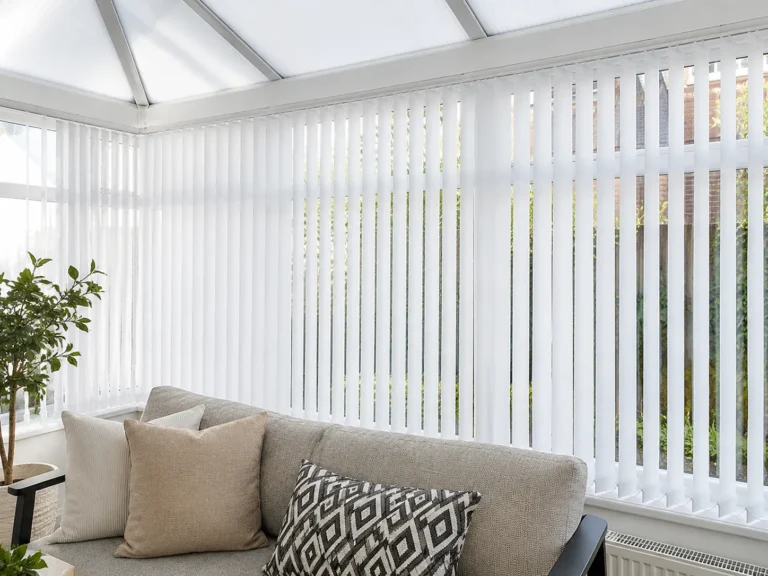
blind planning for conservatory windows, doors and upper glazing where several requirements may need coordinating.
Explore Conservatory Blinds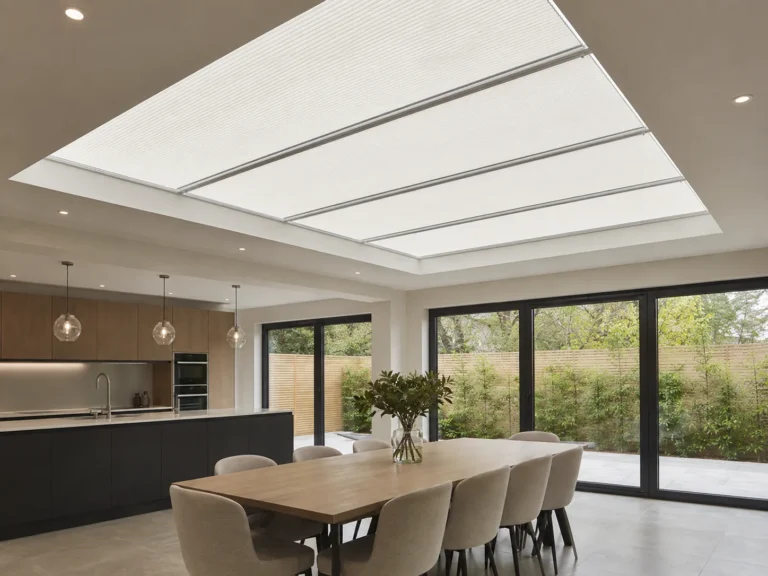
Purpose-designed shading options for overhead roof-lantern glazing.
Explore Roof Lantern Blinds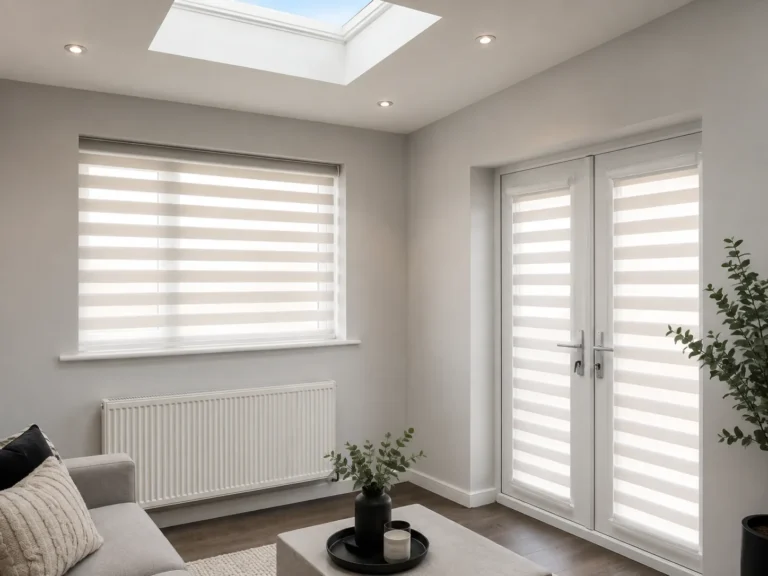
blind solutions considered around door movement, handles, hinges and everyday access.
Explore Door Blinds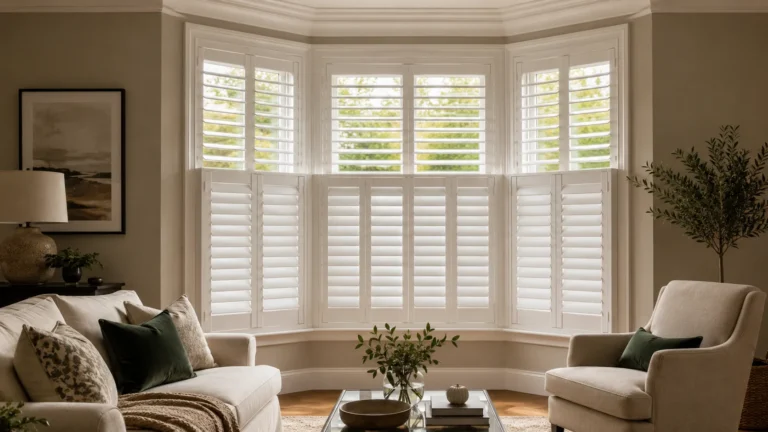
Rigid framed shutters with adjustable louvres for light and privacy control.
Explore Window Shutters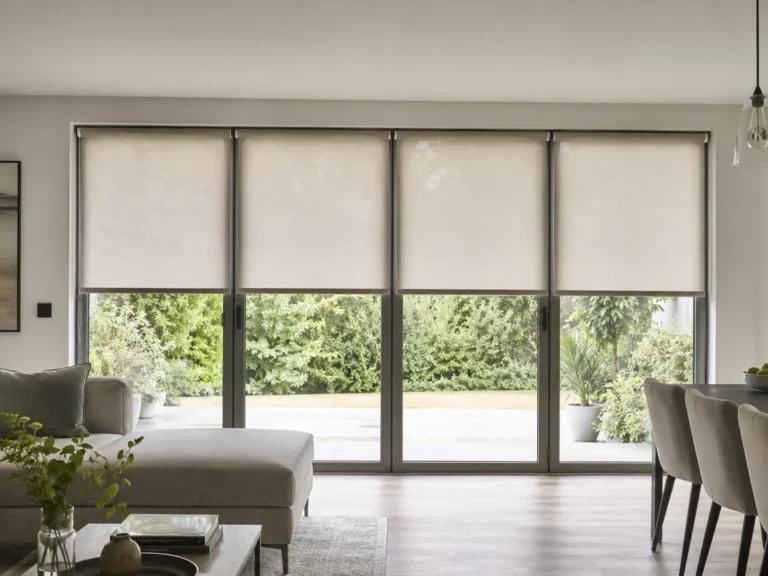
blind options for patio-door glazing where width, movement and access all influence the choice.
Explore Patio Door BlindsSpecialist Blind Routes
These routes focus on a particular opening, performance need or search terminology. Use them where that requirement is more important than choosing a broad blind category first.
Explore blinds around folding-panel movement, handles, stacking and individual glazed sections.
Explore Bi-Fold Door BlindsCompare suitable solutions around paired-door movement, handles, hinges and glazed panels.
Explore French Door BlindsExplore ways to treat angled or multi-pane bay windows while keeping the individual openings practical.
Explore Bay Window BlindsCompare solutions where stronger light reduction and sleeping or media-room darkness are the main requirements.
Explore Blackout BlindsExplore powered blind options where access, convenience or regular operation is the main concern.
Explore Motorised BlindsExplore blind options for generic skylights and roof windows where orientation and access affect the choice.
Explore Skylight BlindsView the dedicated page for customers who use Day & Night terminology for the alternating-band blind category.
Explore Day & Night BlindsExplore real-wood and faux-wood slatted options where a wood-specific appearance is the main priority.
Explore Wooden BlindsFind Your Local Page
Looking for Vision Blinds across the areas served by Noble Blinds? Choose your location to reach the relevant local Vision blind service page.
How the Service Works
Noble Blinds provides a straightforward four-stage service from the first enquiry through to professional fitting of the agreed made-to-measure blinds.
Contact Noble Blinds by website, telephone, WhatsApp or email and arrange a home appointment.
Your opening is measured while practical requirements such as privacy, daylight, fitting position, operation and suitable fabrics are discussed.
Once the preferred Vision specification has been agreed, Noble Blinds provides a quotation for the made-to-measure solution.
The agreed blinds are supplied and professionally fitted, with the completed work supported by Noble Blinds aftercare.
Genuine Customer Feedback
Read genuine Google feedback about Noble Blinds service, advice, communication, measuring, professional fitting and the finished result.
Very nice and professional, paying attention to details and your wishes and make sure that everything is how would you like to be, high quality too. Highly recommended 💯
Great customer service quote and fitting are quick I’m really happy with my blinds they look stunning! Thank you again TikTok friend
Excellent service from start to finish. Good quality blinds friendly and efficient chap who knows his stuff. Fitted all mine today in no time. Would definitely recommend Luxury Blinds
Great service and amazing quality blinds all fitted very professionally plus very quick service. Thank you
Fast and efficient service, blinds look great and made room look new.
The person was great and love the blinds .thanks
Great service, fantastic job, great quality! Patient and understanding and I'm definitely recommending to family and friends. Thank you again!
Job well done and very friendly service, highly recommend this company
Great service, fantastic job. I’m very happy with the service definitely I’m gonna recommend my family and friends thank you.
Professional service provided and amazing quality blinds, would highly recommend. Thank you.
Service and Reassurance
The service is designed to help you reach a practical decision at the actual window, then carry the agreed specification through measuring, quotation, supply and fitting.
Discuss the window, room and priorities in your own home rather than trying to make every decision from photographs or measurements alone.
Compare suitable fabrics, operation and fitting routes according to the opening and what you want the finished blind to achieve.
Noble Blinds measures the opening and checks relevant clearances before the made-to-measure specification is agreed.
Receive a quotation based on the agreed blind and specification without inventing standard prices that may not match your window.
The selected blinds are supplied to suit the measured opening and agreed requirements rather than as generic off-the-shelf sizes.
Your blinds are professionally fitted and supported by Noble Blinds aftercare support.
Common Questions
These questions cover practical details that often matter once you have narrowed your choice to Vision Blinds.
With the sheer sections aligned, more daylight and view-through are available, so privacy is reduced. Moving the opaque bands further across increases screening according to whether daylight, outward view or privacy matters most.
A brighter interior can be more visible from outside after dark. For greater evening privacy, increase opaque coverage rather than relying on the more open sheer position used during daylight hours.
Their adjustable bands can soften direct light while retaining useful daylight. Very strong glare may still require a more light-reducing fabric or another blind solution, depending on the window and sun direction.
Not always. Blackout-related Vision options can provide stronger light reduction, but light may still enter around the blind. Where maximum darkness matters most, a dedicated blackout solution may be more appropriate.
Vision Blinds suit people wanting to adjust daylight, view-through and privacy without simply raising the blind. Roller Blinds may suit those preferring a simpler flat-fabric covering with straightforward raise-and-lower operation.
Venetian Blinds provide finer directional control because their slats can be tilted through different angles. Vision Blinds provide softer fabric-based adjustment between more open and more covered positions.
Width, fixing points, blind weight and operation all matter. On particularly wide glazing, dividing the opening between several made-to-measure Vision Blinds may be more practical than one blind spanning the full width.
Motorisation is particularly useful on large, high or difficult-to-reach windows, or where blinds need frequent adjustment. The motor, power arrangement and control method should suit the final blind and selected system.
Perfect Fit Vision Blinds suit compatible framed glazing where the blind can sit close to the glass and move with the opening. Bead profile, handles, hinges and available clearance must still be checked.
The recess needs enough usable depth for the blind to operate without clashing with handles, glass or vents. Where space is limited, the fitting position may need to move forward or outside the recess.
Ready to Discuss Your Windows?
If Vision Blinds look suitable for your home, arrange a home appointment for professional measuring, practical advice and a quotation based on your actual windows and preferred specification.