Material
Blackout Material
The fabric controls light passing directly through the blind. An opaque blackout material therefore provides much stronger light blocking than a lighter-filtering alternative.
Made-to-Measure Light Control
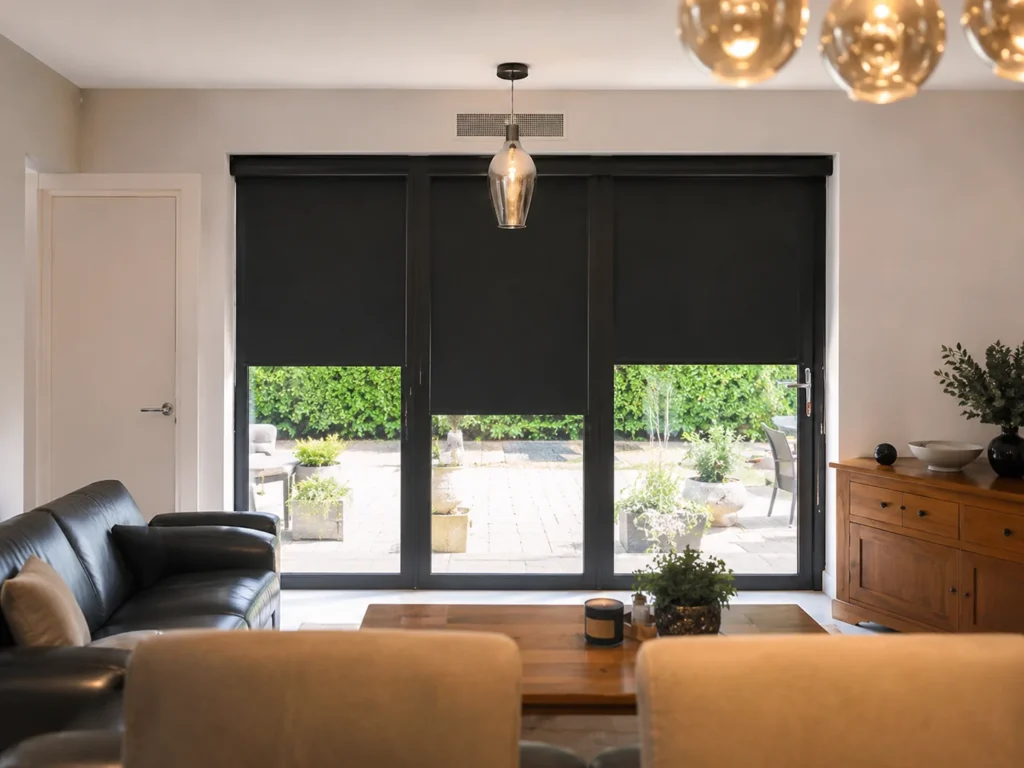
Reduce unwanted daylight with made-to-measure blackout blinds selected around your room, window and preferred level of light control.
Tell us which room or windows you are considering and what level of light control you would like. We can arrange a home visit to measure and discuss suitable options.
Understanding Blackout
Blackout describes a stronger level of light control. Blackout material is designed to prevent substantially more light passing through the fabric than lighter-filtering alternatives.
It is not one particular blind style. Blackout options can be available across several blind types, while fitting position and light around the blind can still influence how dark the finished room feels.
Realistic Expectations
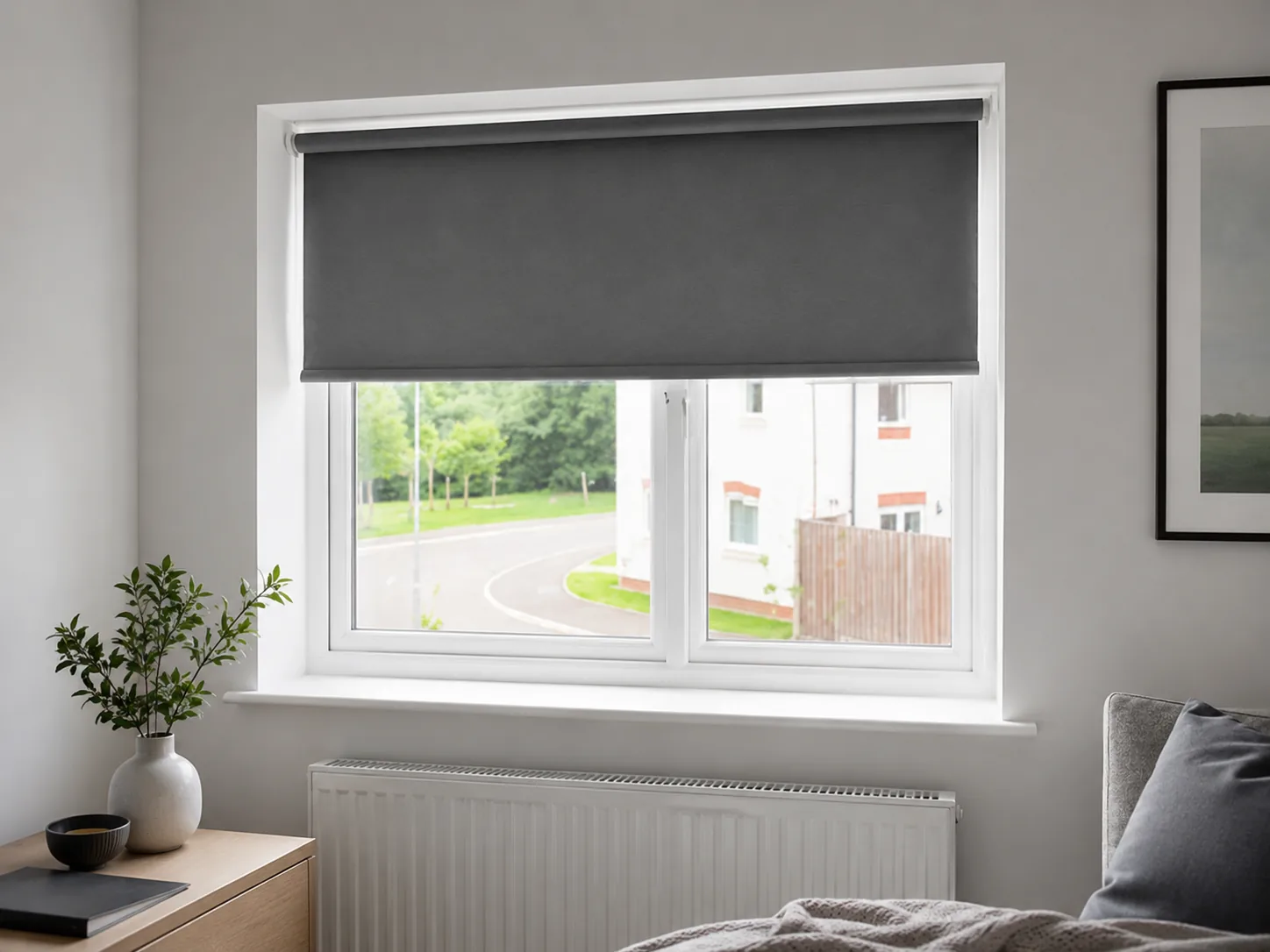
A blackout material can block light effectively through the fabric while the complete fitted blind and window still allow some light around their edges.
Material
The fabric controls light passing directly through the blind. An opaque blackout material therefore provides much stronger light blocking than a lighter-filtering alternative.
Edges
Small spaces around the sides, top or bottom can remain visible because the blind still needs to fit and operate correctly within or around the opening.
Fitting
Recess depth, frame shape, handles and the chosen fitting position can influence how closely the blind covers the glazing and surrounding opening.
Room
Other windows, glazed doors and the direction of strong daylight can all influence how dark a room appears, even when blackout material is used.
Stronger Light Control
Blackout blinds may suit rooms where reducing incoming daylight solves a genuine comfort, sleep, privacy or screen-viewing problem.
Blackout material blocks substantially more incoming light through the blind, making it useful where ordinary light-filtering fabrics leave the room brighter than wanted.
A darker environment may be preferable for bedrooms, daytime sleep or early bedtimes where daylight entering through the window can make resting more difficult.
Opaque material prevents views through the covered part of the glazing when closed, providing strong privacy alongside its light-blocking function.
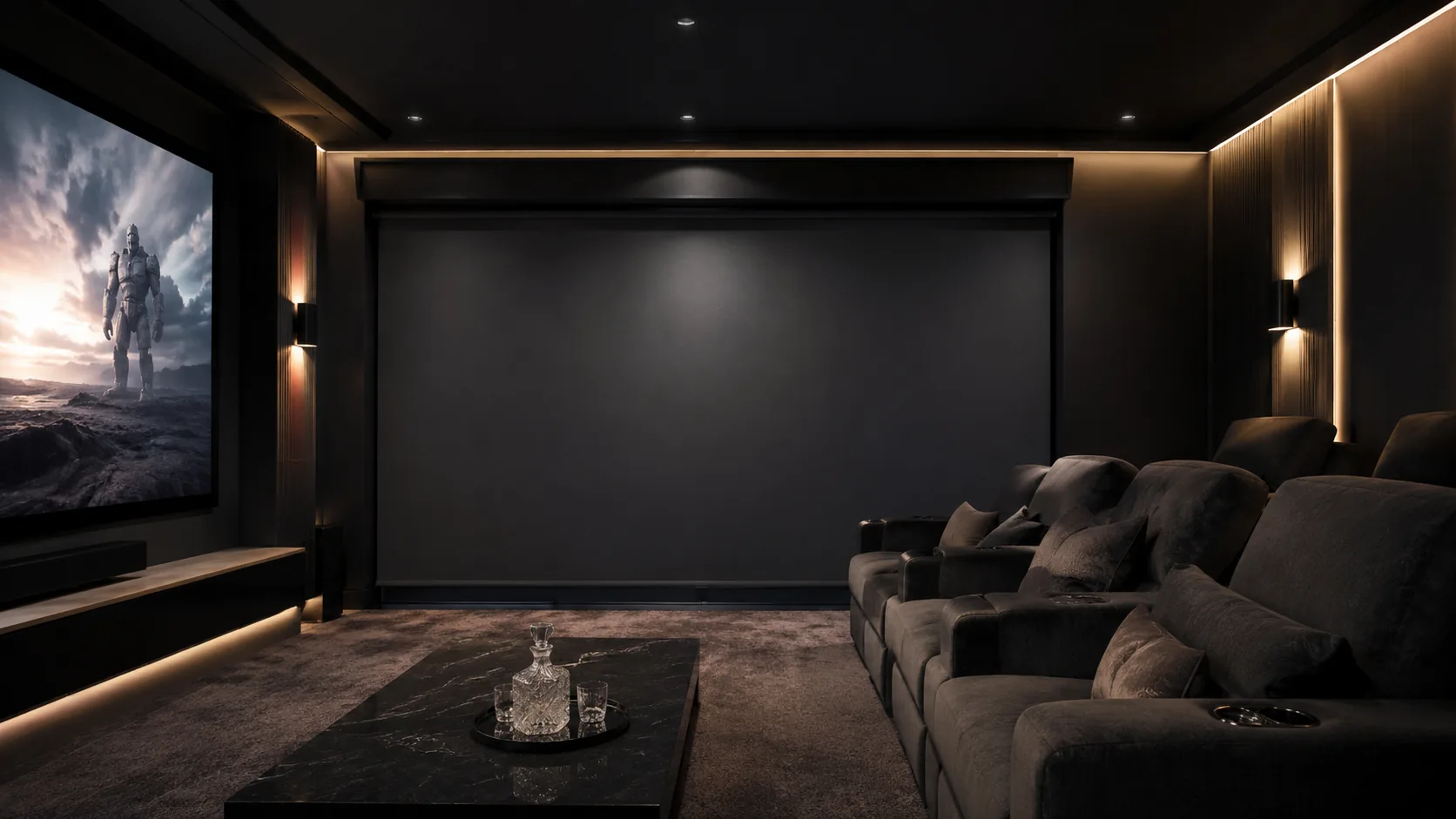
Stronger light blocking can help where direct daylight interferes with televisions, monitors or projected images in suitable media and entertainment spaces.
Choose Your Light Level
The right option depends on whether you want to preserve useful daylight, noticeably reduce brightness or block substantially more light through the blind.
Softer Daylight
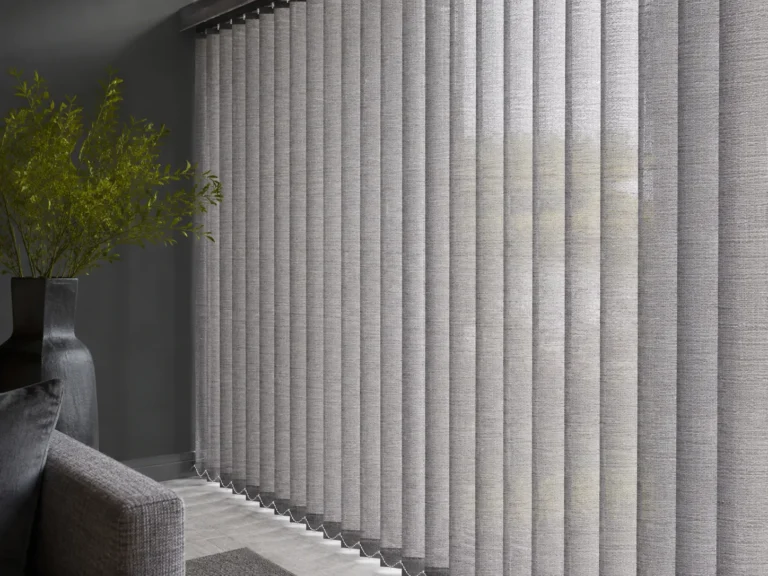
Light-filtering material softens incoming daylight while helping maintain a brighter daytime room where strong room darkening is unnecessary.
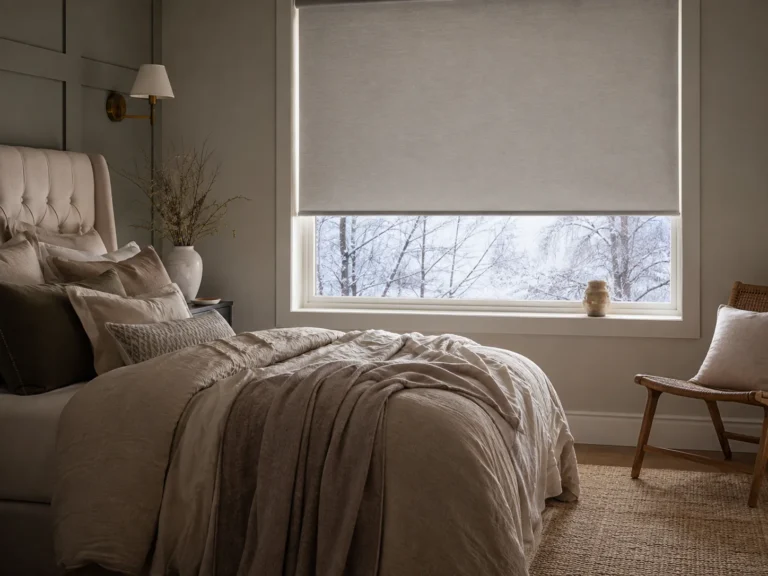
Reduced Brightness
Dimout reduces brightness more noticeably while still allowing some light through, suiting rooms where a softer, darker atmosphere is preferred.
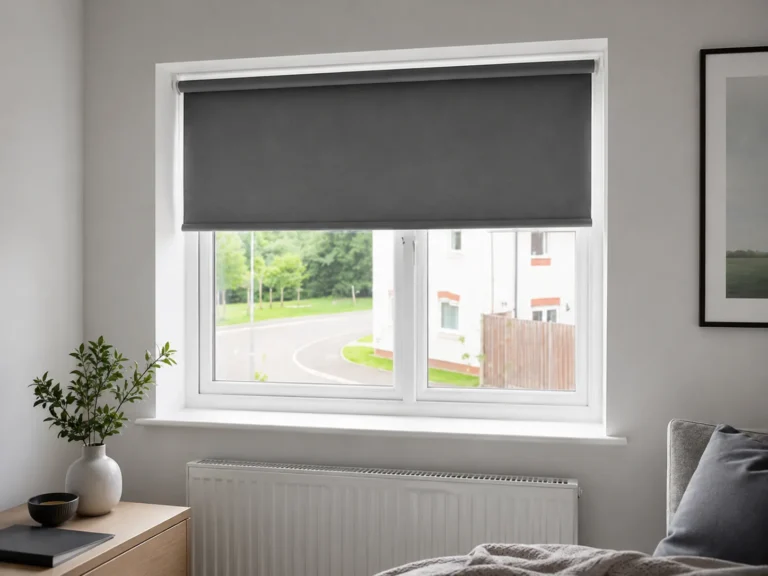
Strongest Reduction
Blackout material provides the strongest light blocking through the fabric of these three levels, although fitting conditions can still affect overall room darkness.
Around Your Home
Blackout is most useful where stronger daylight reduction answers a real room requirement. These five situations show where it may offer a practical advantage.
Bedroom blackout blinds can help reduce early-morning or evening daylight where a darker sleeping environment is preferred.
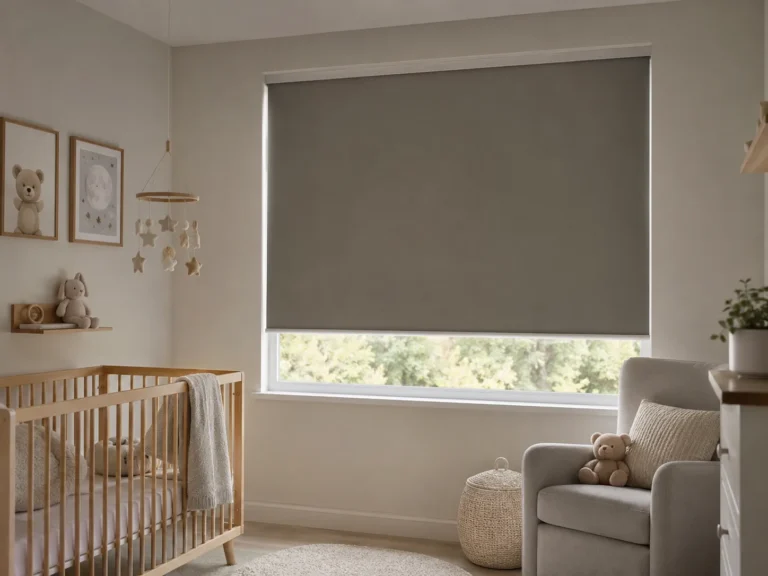
Stronger light reduction may be useful for daytime naps or early bedtimes when outside conditions remain bright.
For rooms used for daytime sleep, controlling strong daylight at the main glazing can make the space more suitable for rest.
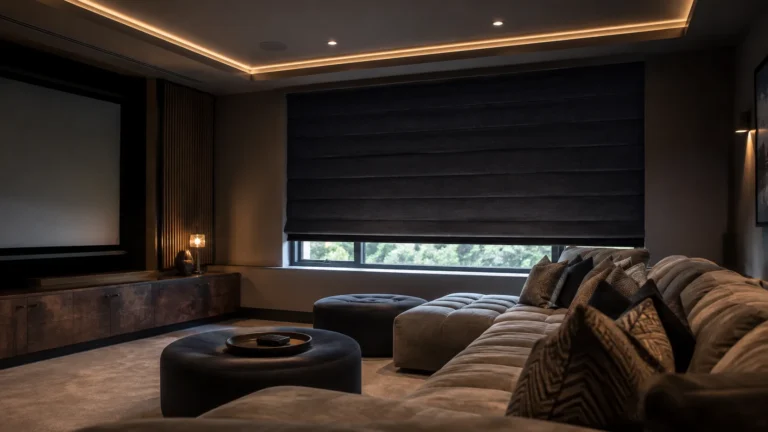
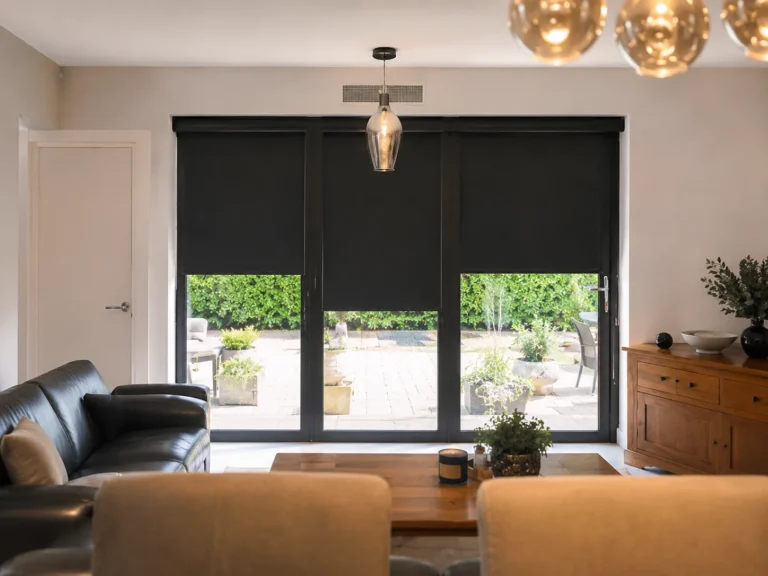
Reducing direct daylight can help limit distracting screen glare where televisions or projected images are used regularly.
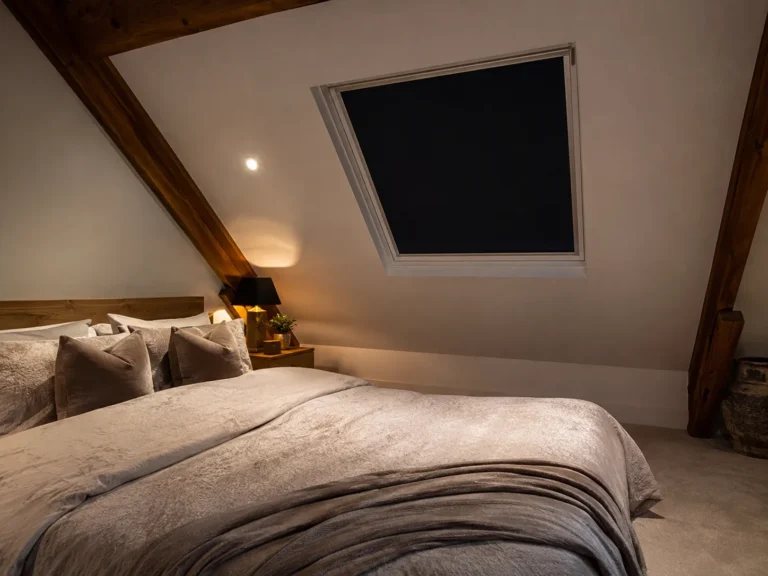
Sloping and overhead glazing can receive strong daylight, making a purpose-designed roof-window blackout option worth considering where compatible.
Specialist Openings
Some openings need more than a standard window blind. These specialist routes focus on the fitting system and glazing before the preferred level of light reduction is specified.
Angled roof glazing needs a blind designed to remain properly controlled against the window. Correct identification, fit and operation matter alongside the blackout material.
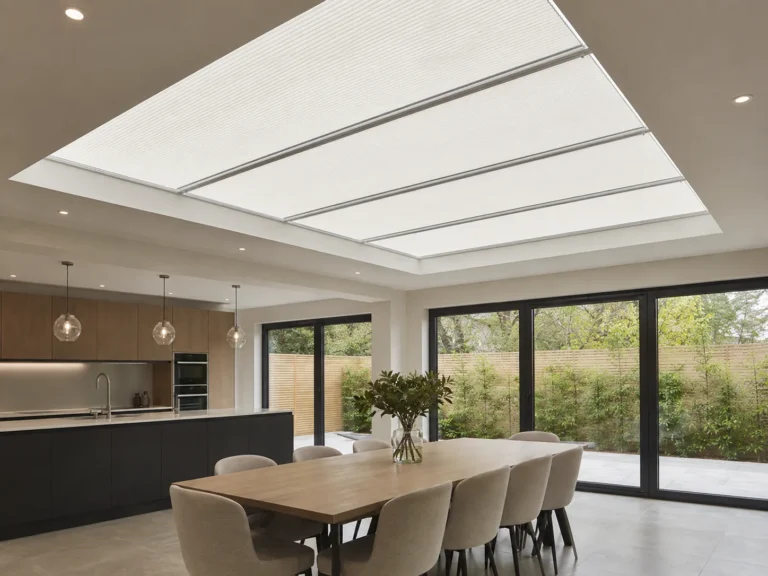
Large overhead glazing requires a specialist solution designed around lantern geometry, access and operation, with blackout options considered where supported.
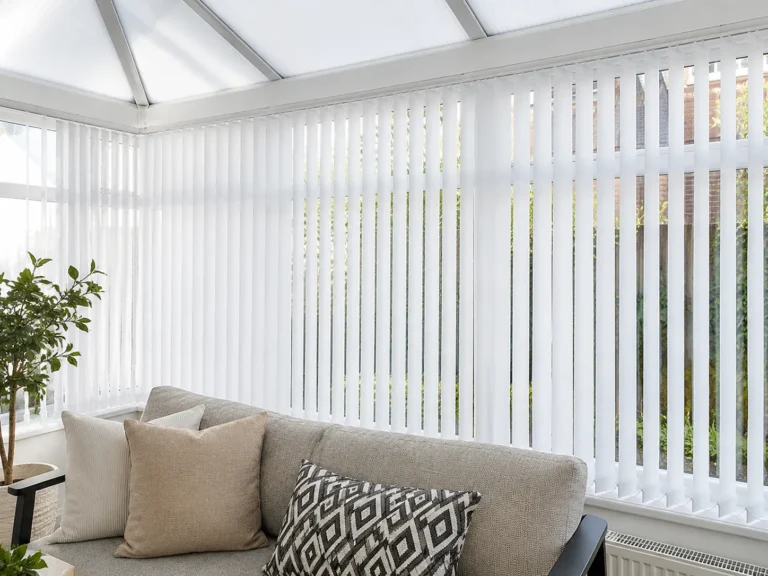
A conservatory may need separate consideration for side windows, doors and roof glazing rather than one identical blind solution throughout the space.
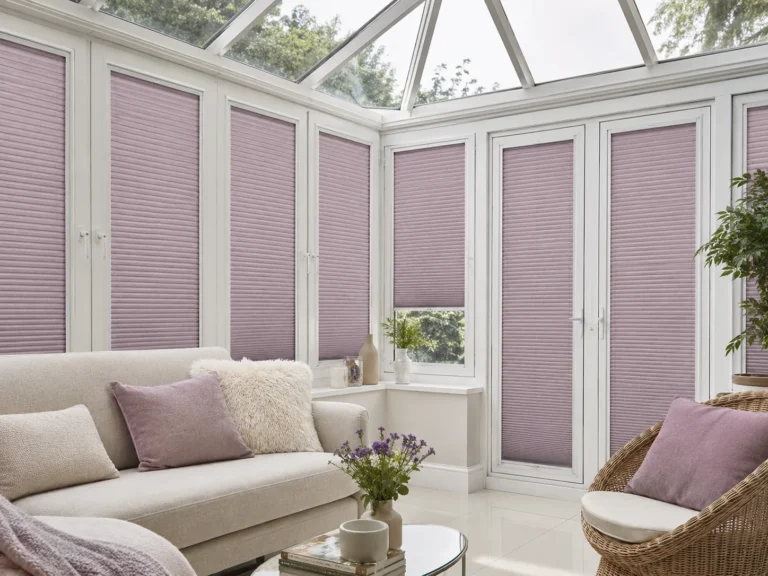
Compatible frame-mounted systems can offer a neat alternative on suitable glazing, but compatibility depends on the frame, bead, seals, handles and clearances.
Before You Choose
The opening and fitting conditions can influence the result as much as the material. These checks help identify where the blind can sit and what may affect surrounding light.
Inside- and outside-recess positions cover the opening differently. Available space and required overlap can influence both appearance and the amount of surrounding light.
Projecting handles, vents and other frame features may restrict how closely the blind can sit to the glazing or which fitting position remains practical.
Windows and doors still need to open and close normally. The blind, controls and brackets should not interfere with handles, hinges or everyday access.
Multiple windows, glazed doors or strong daylight from another direction can affect the room even where the main blind uses blackout material.
Easier Operation
Motorisation can make a blackout blind easier to operate where the glazing is high, large or inconvenient to reach.
Availability depends on the blind type and selected system. Confirmed motorised routes include Roller, Vision/Day & Night, Pleated, Roman, VELUX and Roof Lantern options where supported.
Powered operation can be especially useful where reaching a manual blind control regularly would be awkward or impractical.
A compatible powered system can make regular operation easier where a larger blind would otherwise need frequent manual adjustment.
Motorisation can add convenience in rooms where the blind is opened and closed regularly as daylight conditions change.
blind type, opening, size and the appropriate power or control arrangement should be established before a motorised option is specified.
Narrow Your Options
Begin with how the room and opening need to work. These six checks help narrow the choices before the exact blind and specification are selected.
Standard vertical windows give different fitting choices from roof windows, lanterns, glazed doors and other specialist openings.
Recess depth, frames, handles and available fixing space can influence which blind formats can sit and operate correctly.
Decide whether you need softer daylight control, dimout performance or stronger Blackout material rather than automatically choosing the darkest option.
Bedrooms, media rooms and everyday living spaces can need different balances of darkness, daylight, privacy and convenience.
A compact Roller, softer Roman, vertical louvre or Pleated format can create a very different look even when stronger light control is available.
Consider how often the blind will move, whether controls are easy to reach and whether compatible motorisation would add practical value.
Not Always Blackout
Blackout is useful when stronger light reduction is genuinely needed. In other situations, a less restrictive level may provide a more comfortable balance through the day.
Choose a lighter-filtering option where useful natural daylight matters more than achieving a strongly darkened room whenever the blind is closed.
Dimout may be sufficient where the real problem is uncomfortable brightness or glare rather than the need for a substantially darker room.
Living spaces used throughout the day may benefit from a fabric that controls brightness without removing more daylight than necessary.
If retaining a lighter daytime environment is important, an adjustable or lighter-filtering blind may suit the room better than an opaque blackout material.
Where curtains or another treatment provide additional coverage, the blind itself may not need the strongest available light-blocking material.
A multipurpose room may need a compromise between daytime brightness, evening privacy and occasional glare reduction rather than maximum darkness at all times.
Explore Related Blinds
Once the light-control requirement is clear, explore the underlying blind pages for more detail about fitting, operation, appearance and suitability.
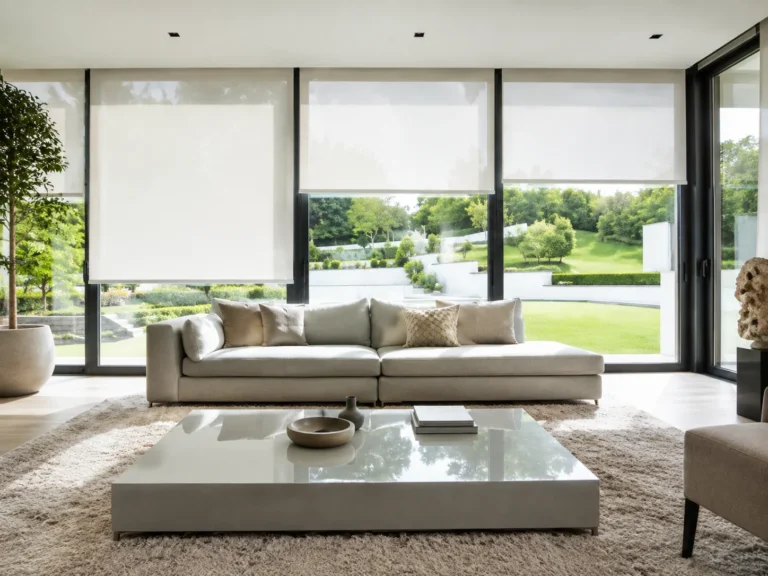
A clean, compact fabric blind with confirmed blackout and dimout options and motorised choices where supported.
Explore Roller BlindsA softer folded-fabric option with confirmed blackout and dimout choices for suitable windows and rooms.
Explore Roman Blinds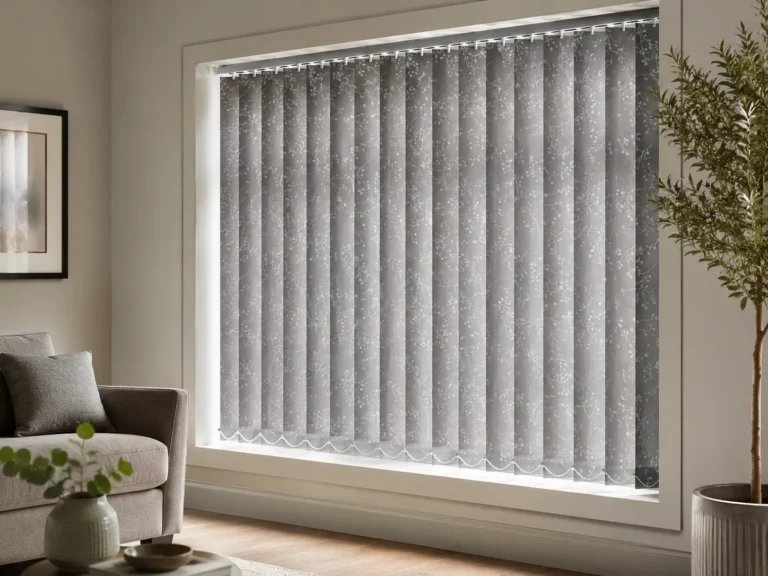
A practical route for larger glazing with confirmed blackout and dimout fabric options across relevant ranges.
Explore Vertical Blinds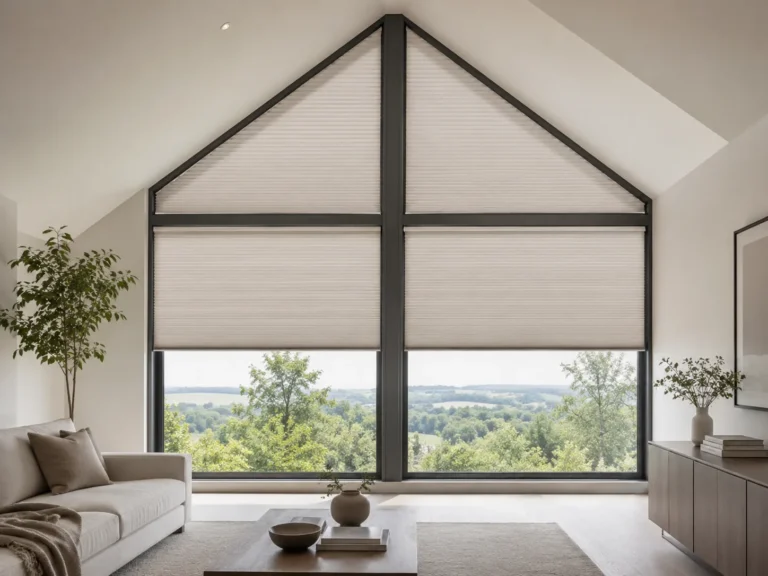
Compact Pleated options can include blackout, dimout and motorised choices where the opening and selected system support them.
Explore Pleated Blinds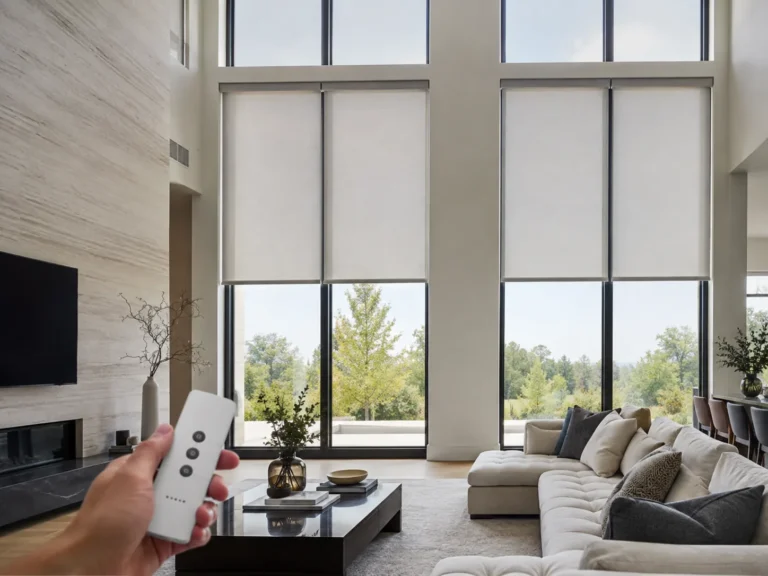
Compare powered blind options where easier operation matters for higher glazing, larger openings or frequently adjusted Blinds.
Explore Motorised BlindsExplore brand-specific options for compatible VELUX roof windows where the correct window identification and blind system matter.
Explore VELUX BlindsHome Measuring & Advice
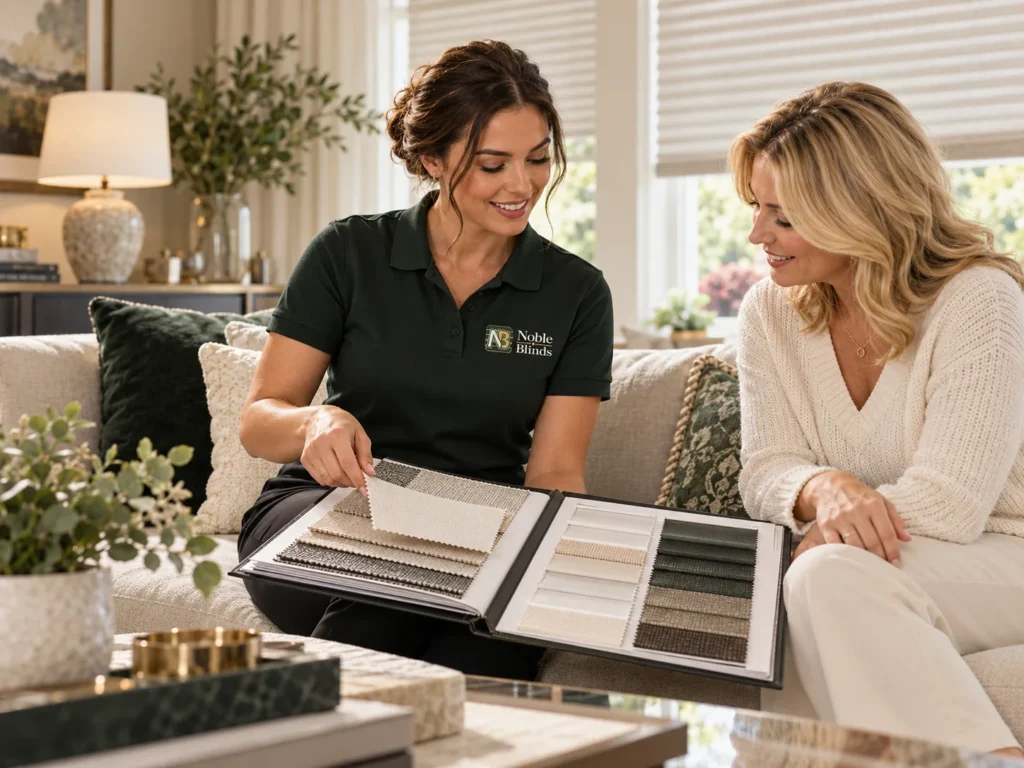
Noble Blinds provides an appointment-based service designed to help you choose a suitable made-to-measure solution before the product is ordered.
Discuss your windows, room and preferred level of light control at your property, where the actual opening can be considered properly.
Compare suitable blind types and light-control options with guidance focused on the way the room, window or door will actually be used.
The relevant opening is measured as part of the home service so the proposed blind can be specified around its real dimensions and clearances.
Once the preferred product and specification are clear, Noble Blinds provides a quotation for the agreed made-to-measure solution.
The selected made-to-measure blind is supplied and professionally fitted rather than leaving the customer to complete the installation themselves.
Contact Noble Blinds after fitting if you need help with the supplied product.
How It Works
The process keeps the room requirement, opening and final blind specification clear before anything is ordered.
Contact Noble Blinds and arrange a home appointment at your property to discuss the windows or openings you are considering.
The opening is inspected and measured while suitable blind types, fabrics, light-control levels and practical fitting considerations are discussed.
Choose the preferred option after comparing suitable choices. Noble Blinds then provides a quotation for the agreed made-to-measure specification.
The made-to-measure product is supplied and professionally installed, with the completed work supported by Noble Blinds aftercare.
Customer Feedback
Read genuine Google feedback about Noble Blinds service, advice, communication, measuring, professional fitting and the finished result.
Very nice and professional, paying attention to details and your wishes and make sure that everything is how would you like to be, high quality too. Highly recommended 💯
Great customer service quote and fitting are quick I’m really happy with my blinds they look stunning! Thank you again TikTok friend
Excellent service from start to finish. Good quality blinds friendly and efficient chap who knows his stuff. Fitted all mine today in no time. Would definitely recommend Luxury Blinds
Great service and amazing quality blinds all fitted very professionally plus very quick service. Thank you
Fast and efficient service, blinds look great and made room look new.
The person was great and love the blinds .thanks
Great service, fantastic job, great quality! Patient and understanding and I'm definitely recommending to family and friends. Thank you again!
Job well done and very friendly service, highly recommend this company
Great service, fantastic job. I’m very happy with the service definitely I’m gonna recommend my family and friends thank you.
Professional service provided and amazing quality blinds, would highly recommend. Thank you.
West Yorkshire Areas
Looking for blackout blinds across West Yorkshire? Use the Area directory to find the relevant local route for your location.
Ready to Compare Options?
Arrange a home visit to discuss your room-darkening priorities, measure the opening and compare suitable made-to-measure blackout options before choosing the final specification.
Practical Questions
These practical questions cover fitting details and room situations that can influence the final result after you have compared the main Blackout blind options.
The amount of edge light can depend on side overlap, coverage above and below the opening, recess depth and squareness, and how closely the blind can sit to the glazing. Accurate measuring helps choose a fitting position that reduces unnecessary gaps, although a standard blind installation should not automatically be expected to create a completely sealed room.
Yes. Each window introduces its own edges, frames and possible light gaps, so a room with several windows can receive more stray light than a similar room with one opening. For stronger room darkening, it is useful to assess all the windows together rather than judging the result from the blackout material on one blind alone.
Both can be suitable, but the practical choice depends on the window and how the blind will be used. Roller Blinds provide a simple, compact covering, while Roman Blinds offer a softer fabric appearance and stack differently when raised. The fitting position and perimeter gaps can influence the final room-darkening result as much as the choice between the two styles.
A roof window is angled, so the blind normally needs a system designed to remain controlled against the glazing rather than simply hanging vertically. The window model or dimensions, frame, fixing points, handle position and access for operation all need checking. A blind designed for an ordinary vertical window should not simply be assumed suitable for a roof window.
Yes. Door blinds must allow for handles, frames and the movement of the door, which can affect how closely the blind can cover the glazing. Some perimeter light may therefore remain even when blackout material is used. Measuring should consider both the desired light reduction and whether the blind can operate without interfering with normal door movement.
They can. Handles, vents and other projections may prevent a blind from sitting as close to the glazing as would otherwise be possible, or they may influence whether an inside- or outside-recess position is practical. These details should be checked during measuring because changing the blind position can also change the amount of light visible around its edges.
It can be particularly useful where reaching a manual control would be inconvenient, such as higher roof glazing or other difficult positions. Motorisation can make regular adjustment easier, but availability depends on the blind type and system selected. The opening, access, suitable power or charging arrangement and everyday use should be considered before specifying a motorised blackout option.
For daytime sleep, consider the complete room rather than the fabric alone. Strong light-blocking material is important, but window position, fitting method, edge gaps and other windows in the room can all affect perceived darkness. During measuring, explain that daytime sleep is the priority so the blind type and fitting approach can be assessed with stronger room darkening in mind.
They can sometimes complement each other. A blackout blind can provide the main light-blocking layer at the window, while curtains or another suitable treatment may cover areas beyond the blind and help reduce some visible perimeter light. The result still depends on the window and installation, so combining treatments should not automatically be described as guaranteeing complete darkness.
Yes. A window receiving strong direct daylight can make small edge gaps appear more noticeable than the same gaps on a less brightly exposed window. Time of day, window size and the number of glazed openings can also affect how the room feels. This is why two rooms fitted with similar blackout blinds may not appear equally dark throughout the day.