
Door Movement
The Opening Still Needs to Work
The blind position must allow the door to slide, swing or fold through its normal movement without creating an avoidable obstruction.
Made-to-Measure Door Blinds
Choose door blinds around the way your glazed doors open, the privacy you need and how often you use the doorway. Noble Blinds provides practical advice, professional measuring, made-to-measure supply and professional fitting.
Tell us about your doors and what you want from your blinds, and we can arrange a home visit to measure the opening and discuss suitable options.
Door Blind Basics
Door blinds are blinds selected specifically for glazed doors and the way those doors are used. They can provide privacy, manage daylight and help make large areas of glazing more comfortable.
Unlike a blind fitted to a fixed window, blinds for doors may also need to work around opening movement, handles, locks and regular access.
Explore Door Blind Options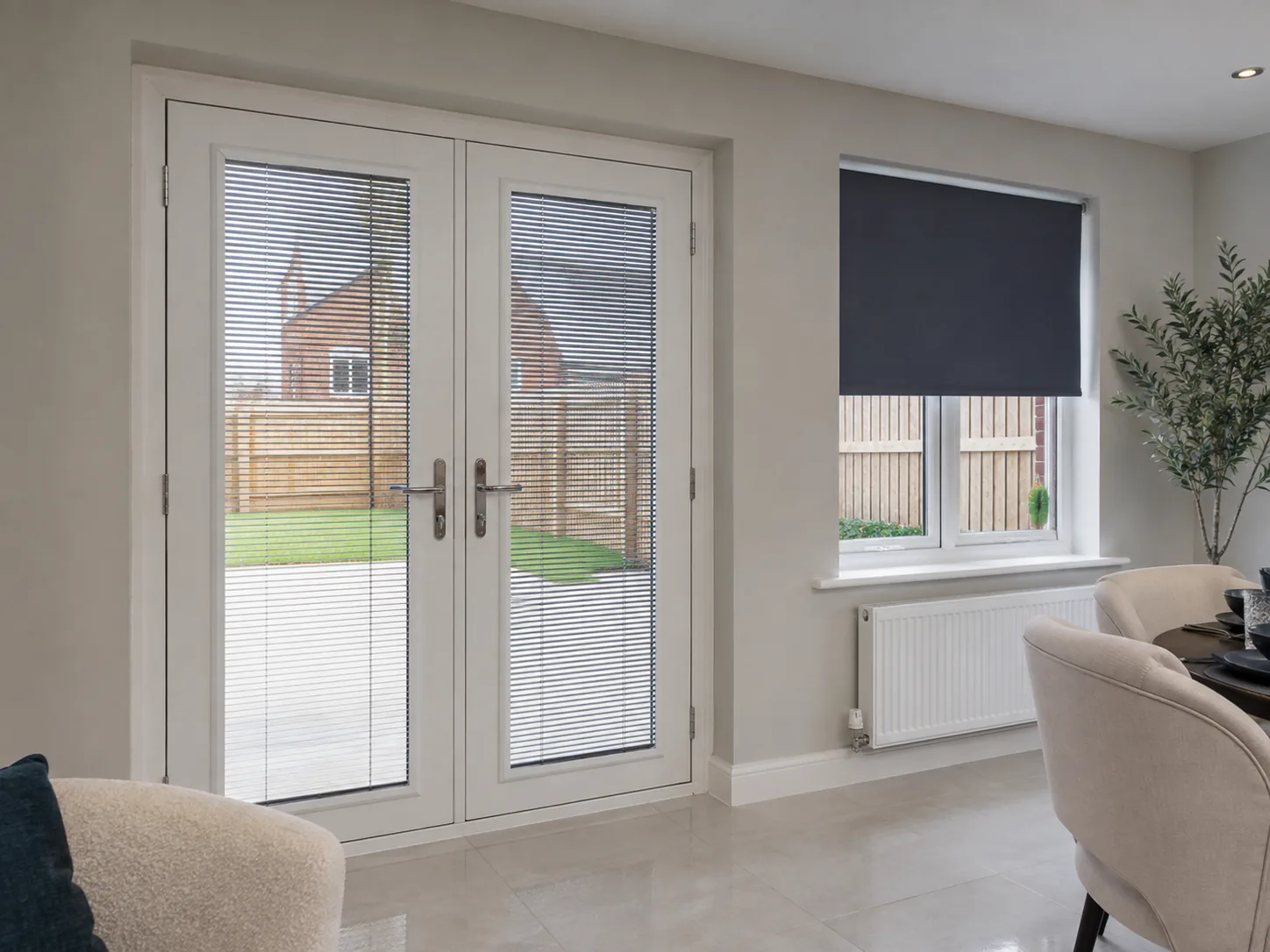
Plan Around Movement
The blind needs to work with the door, not simply cover the glass. Four practical points usually shape the decision before colour or fabric is considered.
Door Movement
The blind position must allow the door to slide, swing or fold through its normal movement without creating an avoidable obstruction.
Handles & Locks
Projecting handles, locks and other hardware can reduce the space available for the blind and affect where a suitable system can sit.
Blind Position
Some treatments sit with individual door panels, while others cover the wider opening. Each approach changes how the doorway works when the blind is open.
Daily Access
A doorway opened throughout the day may need especially straightforward operation. Less frequently used glazing can allow a different balance between access, privacy and appearance.
Compare Suitable Approaches
Different door blinds solve different practical problems. Compare the main approaches by movement, access, privacy and how closely you want the blind to sit with the glazing.
Frame-Mounted
A frame-mounted option for compatible doors where keeping the blind close to the glazing and moving with the panel may be useful.
Explore Perfect Fit Blinds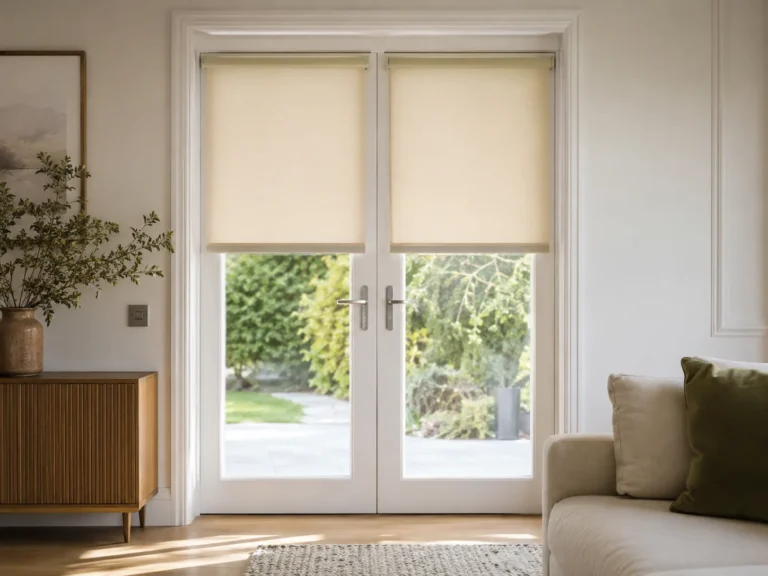
Simple Fabric
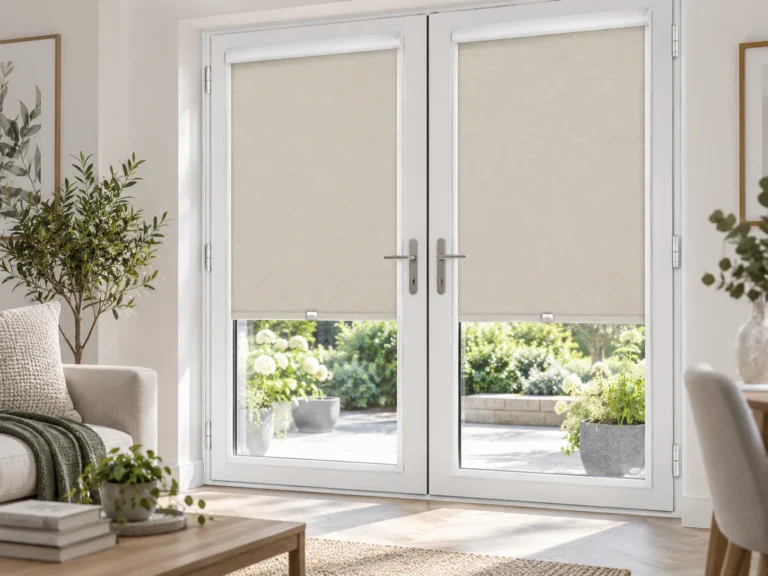
A simple fabric option that may work on individual glazed sections or across a wider opening, depending on the door layout and available fixing space.
Explore Roller Blinds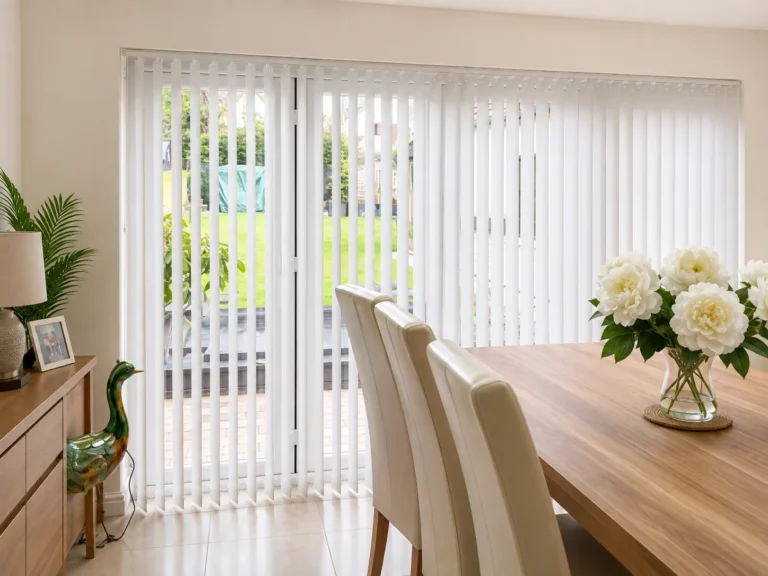
Wider Openings
A practical route for wider openings where adjustable louvres can provide privacy and the blind can draw aside when access is required.
Explore Vertical Blinds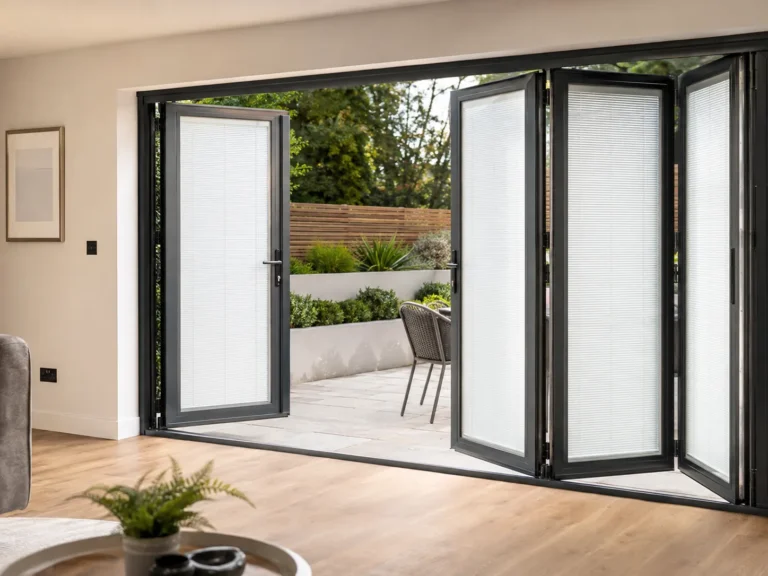
Compact Fabric
A lightweight, compact fabric option that can suit compatible frame-mounted arrangements where a less bulky treatment is preferred.
Explore Pleated Blinds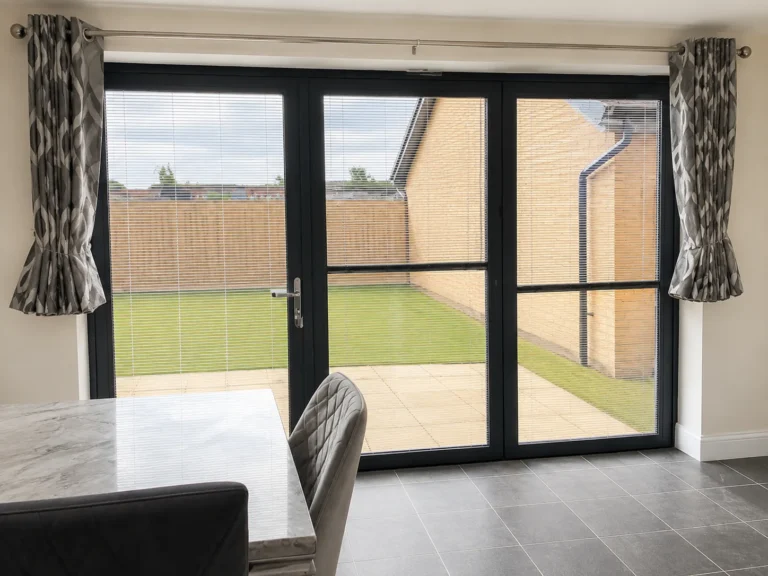
Adjustable Slats
Adjustable horizontal slats give flexible control over daylight and privacy. Suitability depends on the fitting method and the space around moving hardware.
Explore Venetian Blinds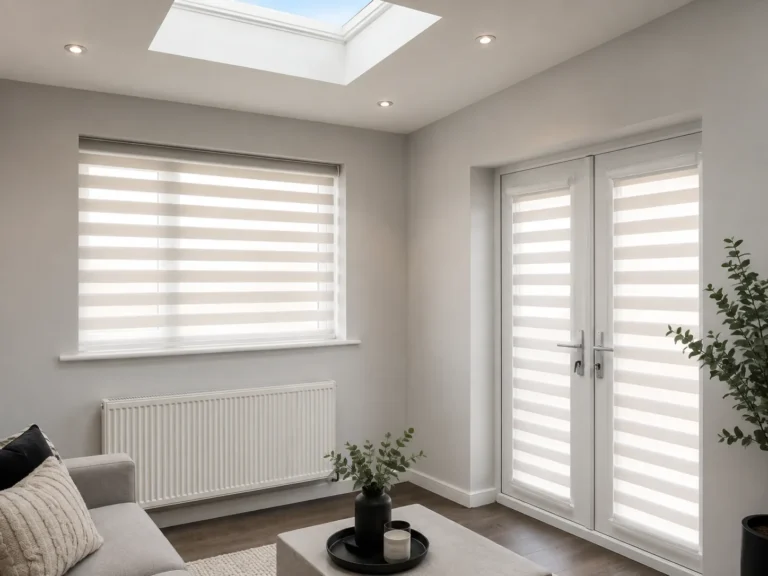
Layered Fabric
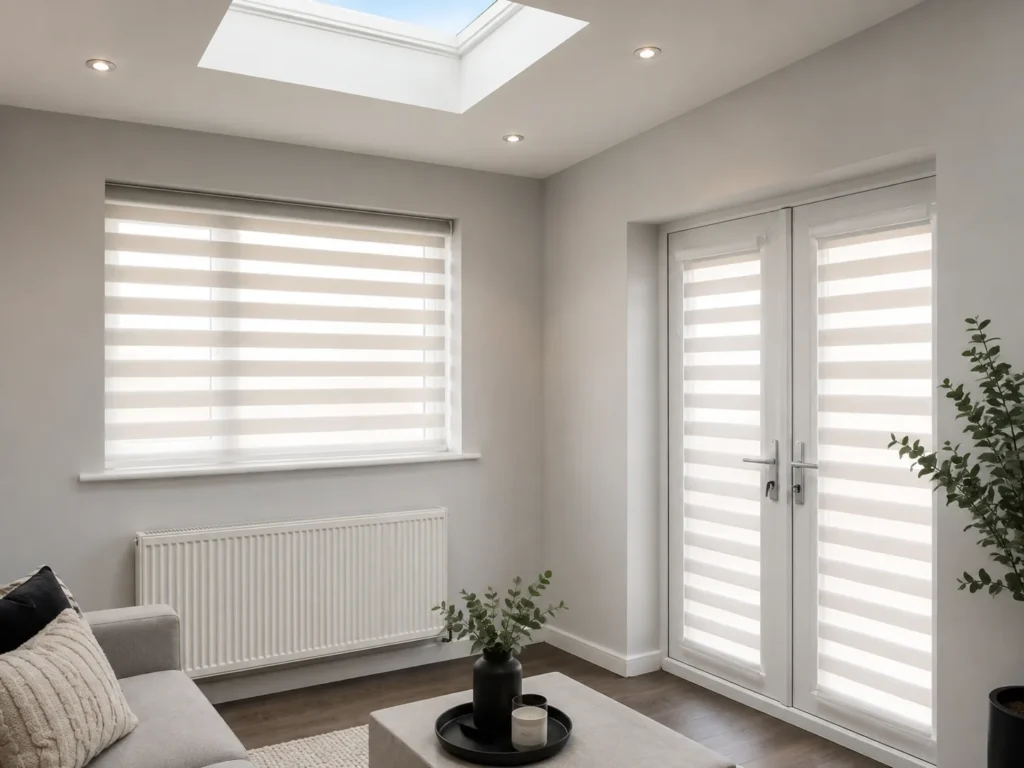
Alternating sheer and opaque bands offer adjustable daytime privacy and daylight control, with door suitability depending on the selected fitting approach.
Explore Vision BlindsStart With Your Door
The way the door opens changes the blind decision. These three common glazed-door arrangements each need slightly different thinking around movement, access and usable clearance.
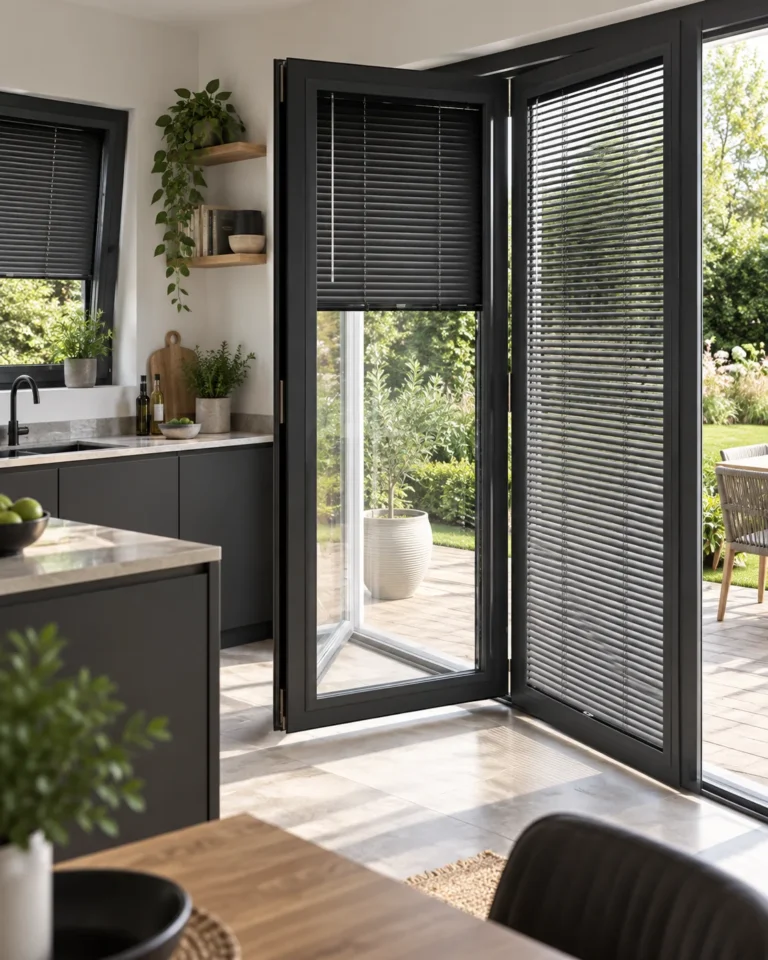
Several connected panels fold and stack together, so the blind arrangement needs to respect panel movement and the space required when the doors fold back.
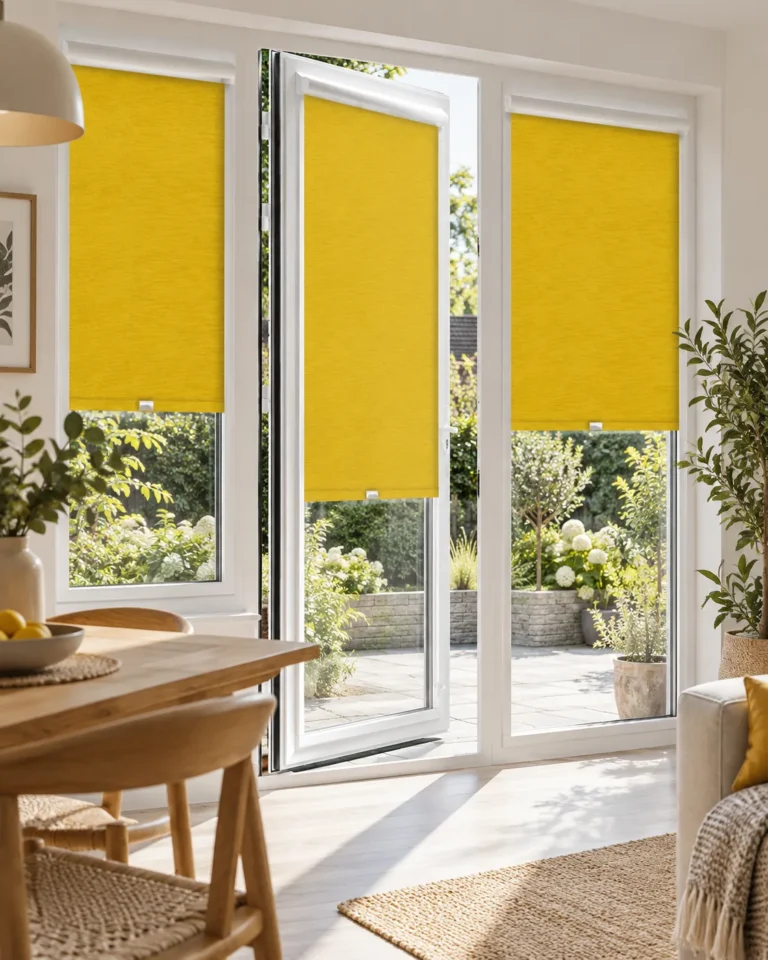
Two hinged door leaves create separate opening arcs, handles and locks. Individual treatment of the glazed panels can be useful where the layout allows it.
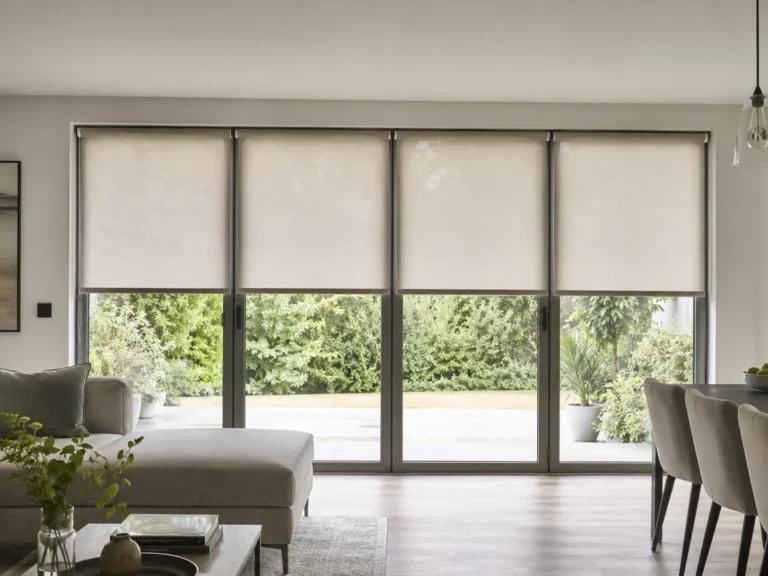
Large sliding panels need clear travel and convenient daily access. The blind arrangement should consider both the width of the opening and where the blind sits when open.
Two Main Approaches
The first major decision is often whether the blind should work with individual door panels or sit separately across the wider opening.
A compatible frame-mounted blind can remain associated with the glazed panel as the door moves. This can make frequent access easier and allow individual panels to be controlled separately.
A blind fitted above or around the full doorway can cover several panels together. It may be more practical for some wider openings but needs suitable space to clear the access route.
Close-to-Glass Options
Where the door and glazing are compatible, a blind can sometimes sit close to the glass and remain associated with an individual panel rather than spanning the whole opening.
This approach can give each glazed section separate control and may keep the blind clear of the surrounding wall space. Compatibility depends on the frame, glazing, seals, handles and available clearance.
Explore Perfect Fit Blinds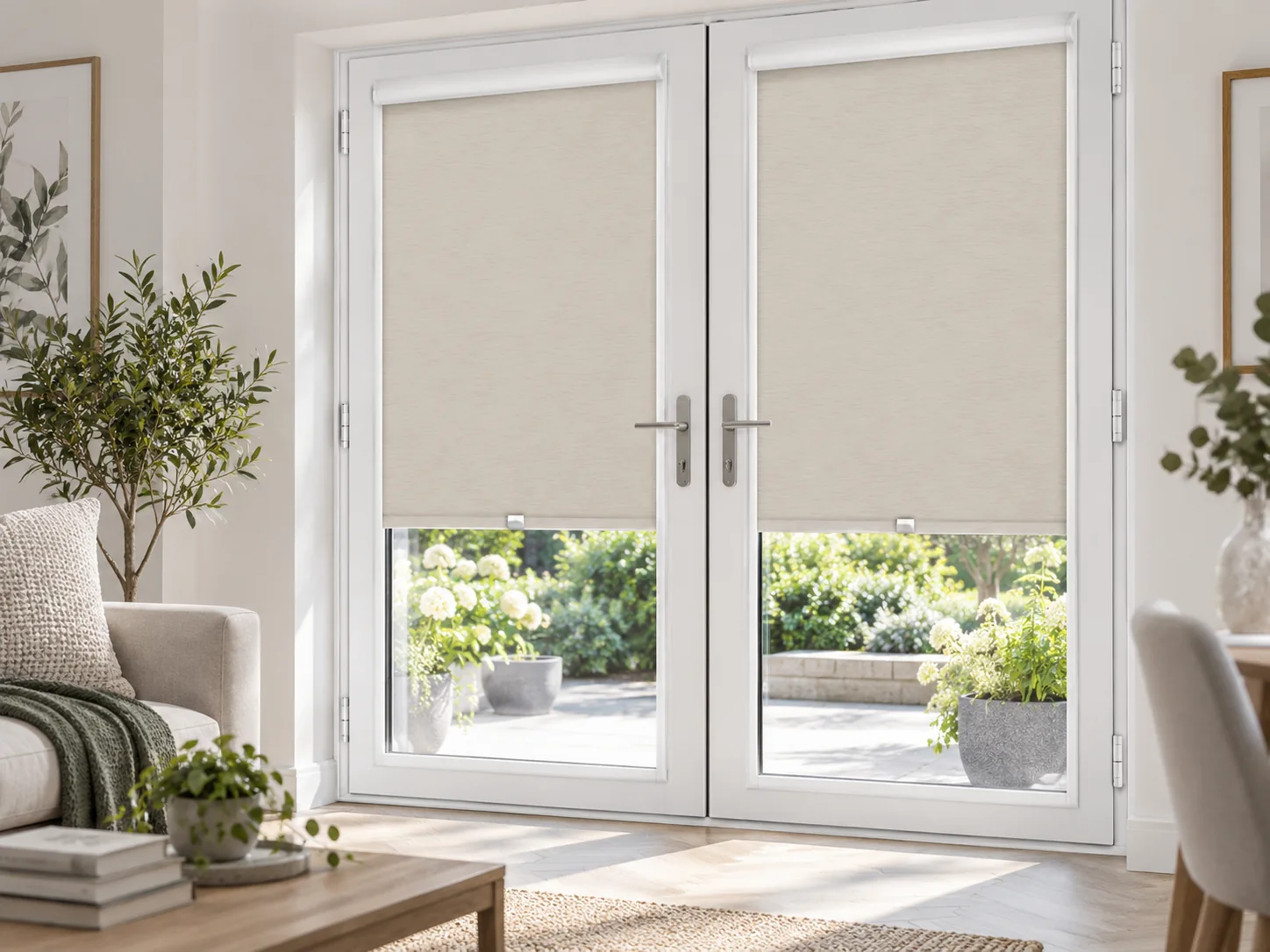
Planning Wider Glazing
A wider glazed opening does not automatically need one very large blind. The door layout and access pattern can determine whether one treatment or several sections make more sense.
A single blind can create a simple overall appearance where the system, available space and normal doorway access make a larger treatment practical.
Several smaller blinds can follow individual door panels or groups of panels, giving more independent control over different parts of the opening.
Where one door or panel is used most often, the blind arrangement can be planned so everyday access does not require uncovering the complete glazed area.
Choose Your Coverage
Daylight, privacy, dimout and blackout are different requirements. Choosing the right level of coverage starts with what you need the glazing to do during the day and after dark.
Daylight
Light-filtering or adjustable blinds can soften bright daylight while keeping the room lighter than a fully closed opaque treatment.
Privacy
Adjustable slats, louvres or layered fabrics can change privacy through the day. After dark, a more closed position is normally needed.
Dimout
Dimout fabrics reduce incoming light without providing the same level of light blocking as a blackout material.
Blackout
Blackout material blocks a high level of light through the fabric, but edge gaps and the fitting arrangement can still allow some light into the room.
Check Before Choosing
The most attractive blind is only useful if it works with the actual opening. These practical details can determine which systems are genuinely suitable.
Movement
Check the complete sliding, folding or hinged movement so the blind does not interfere with the normal operation of the door.
Hardware
Projecting hardware can occupy space needed by the blind. The handle and lock should remain comfortable to reach and operate.
Fitting Surface
Frame-mounted systems depend on the actual frame, glazing, bead and seals. A glazed or uPVC door should not automatically be assumed compatible.
Space
Check the space around the door, above the opening and beside moving panels so both the blind and doorway remain practical to use.
Match the Daily Use
Think about what happens around the doorway every day. The same glazed door can need a different blind approach depending on access, privacy and how the room is used.
Large glazed doors often need flexible daytime light with useful evening privacy, while still keeping the room visually open.
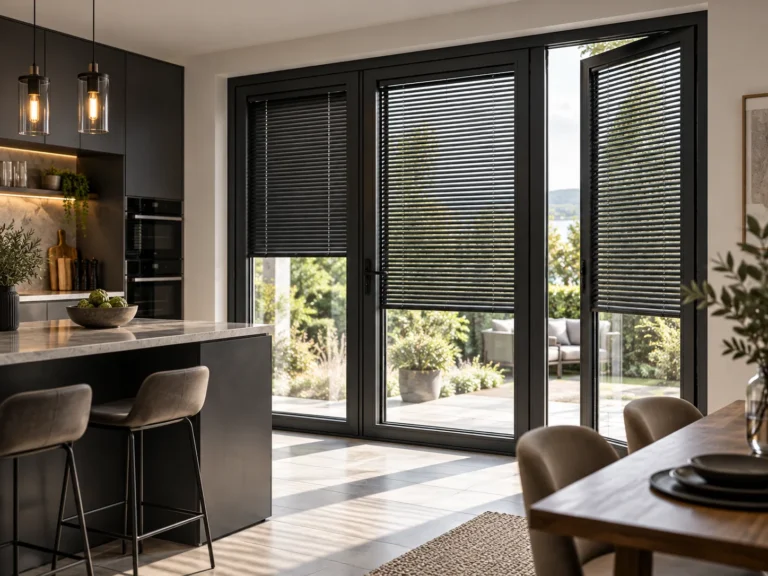
Regular movement to and from the garden makes easy opening and practical handle clearance especially important.
Sliding openings used throughout the day benefit from a blind arrangement that can move or stack clear without making access unnecessarily awkward.
Large folding doors can dominate the room, so the blind should balance usable access with privacy, daylight control and the way panels stack.
Coordinate the Room
Door blinds can be practical and still feel connected to the rest of the room. Consider frame colour, nearby windows, flooring, furniture and the visual scale of the glazed opening.
Using related colours or blind styles on nearby doors and windows can create a more consistent finish without requiring every opening to use exactly the same system.
Pale fabrics or frame-mounted blinds can sit quietly against lighter door frames where a less dominant treatment is preferred.
Dark blinds against black or charcoal frames can make the glazing feel more architectural and deliberate.
A stronger fabric shade can work well where the door treatment is intended to become part of the room's wider colour scheme.
A consistent neutral finish across a broad patio opening can keep the overall treatment calm while still giving useful privacy and light control.
Safer Everyday Use
Child safety should be considered alongside access and operation when choosing blinds for doors used by the whole household. Suitable controls and safety arrangements depend on the selected system.
Choose an operating method suitable for the household and blind system, including cordless or motorised options where genuinely available.
Controls and blind components should not create unnecessary obstruction around a doorway regularly used by children.
Where the selected blind uses controls requiring safety devices, these should be positioned and fitted appropriately as part of the installation.
Explore Our Blind Range
If your requirement extends beyond glazed doors, explore the wider Noble Blinds range. These are separate product routes and should be chosen around the actual window, room and practical need.
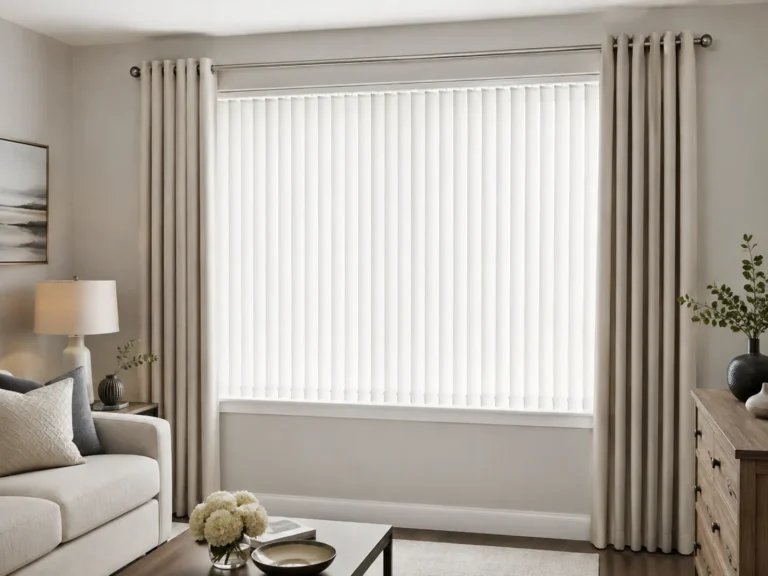
Adjustable Louvres
Adjustable louvres provide flexible privacy and light control, with particular relevance to wider windows and glazed openings.
Explore Vertical Blinds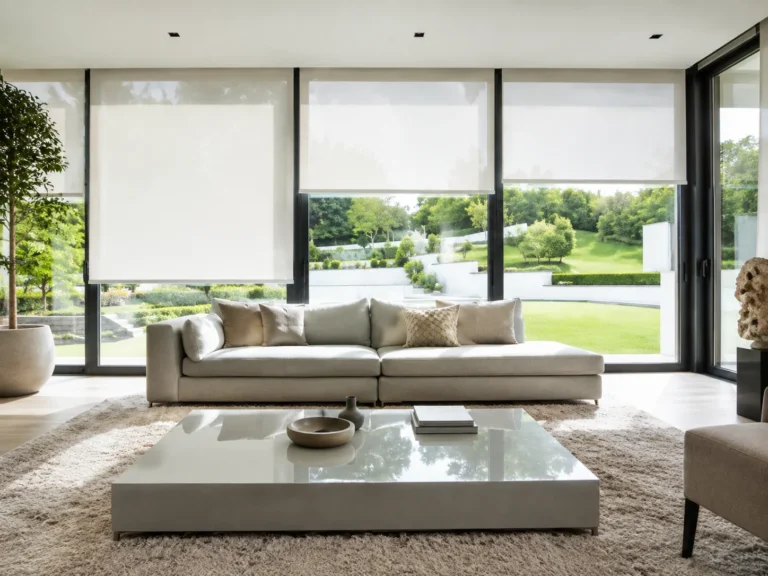
Simple Fabric
A simple fabric blind available for a wide variety of windows and room requirements.
Explore Roller Blinds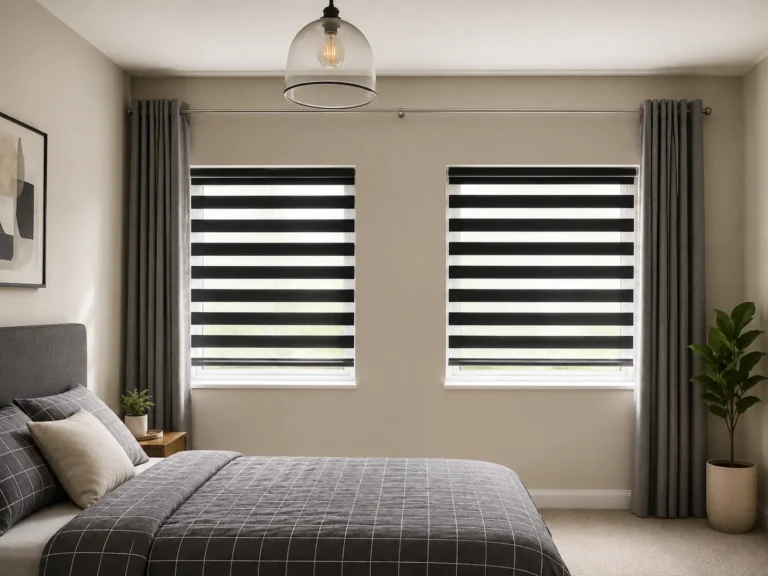
Layered Bands
Layered sheer and opaque fabric bands provide adjustable daytime privacy and light control.
Explore Vision Blinds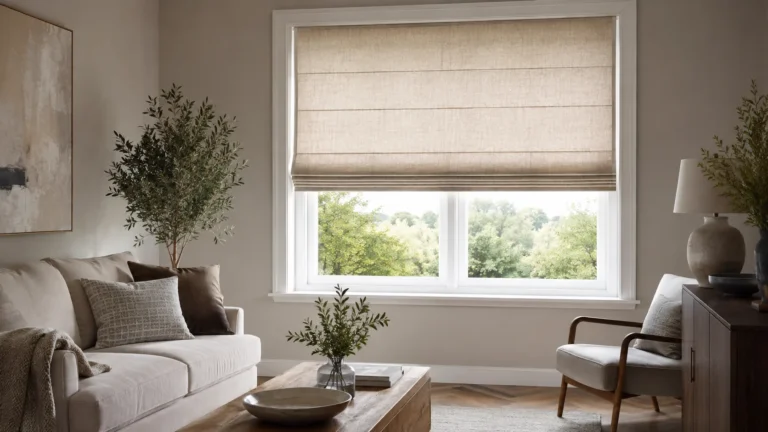
Soft Fabric
A soft fabric treatment that folds into structured horizontal sections when raised.
Explore Roman Blinds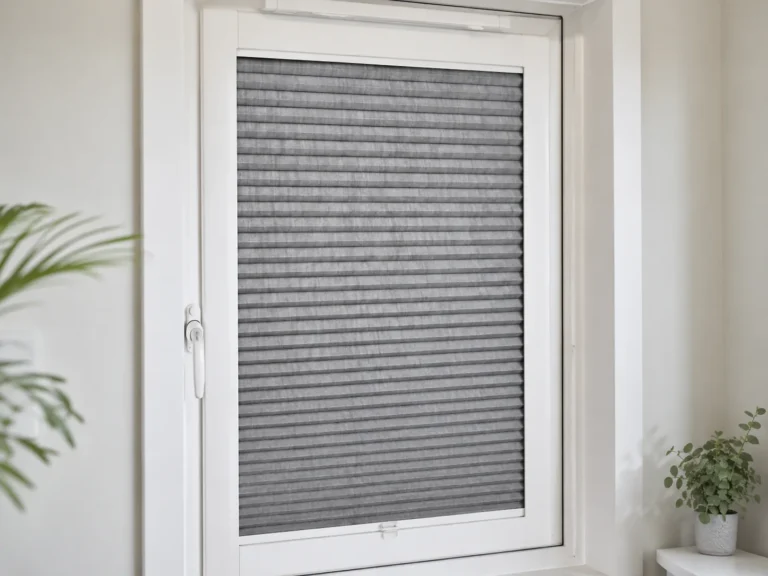
Frame-Mounted
Frame-mounted blind systems for compatible windows and doors where a close-to-glass finish is useful.
Explore Perfect Fit Blinds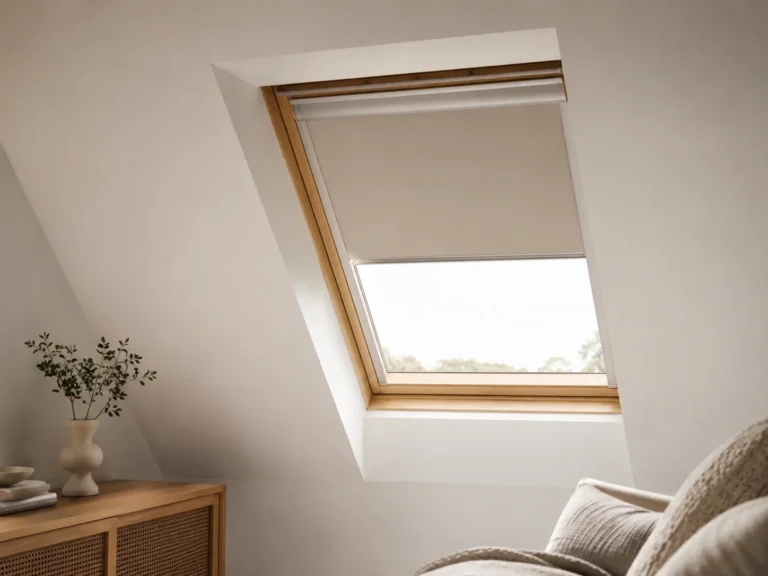
Roof Windows
Purpose-specific solutions for compatible VELUX roof windows, with different light-control options available.
Explore VELUX Blinds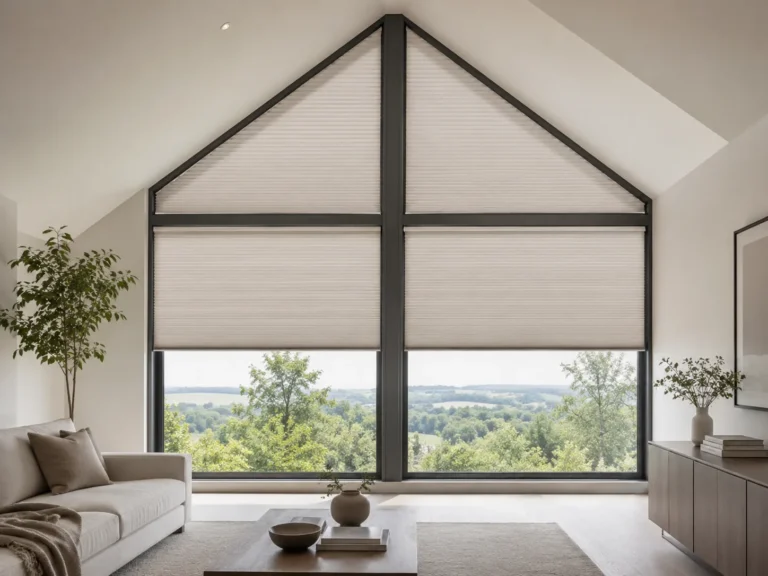
Compact Folds
Compact folded fabric blinds that can suit a range of standard and specialist glazing applications.
Explore Pleated Blinds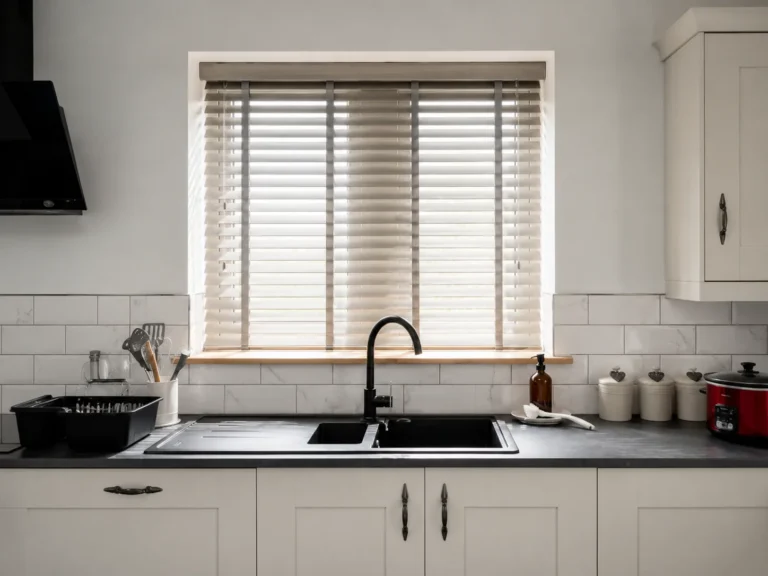
Adjustable Slats
Horizontal slats tilt to provide precise control over daylight, view-through and privacy.
Explore Venetian Blinds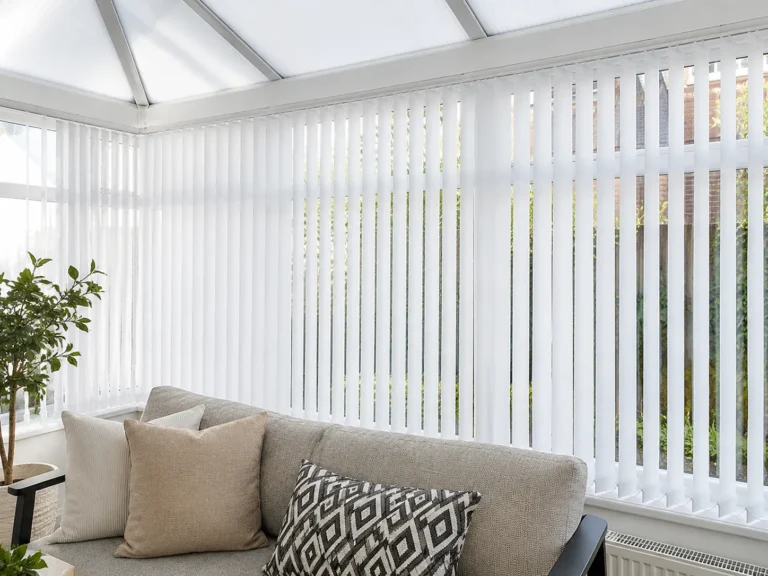
Glazed Rooms
blind solutions planned around conservatory side glazing, doors and other compatible glazed areas.
Explore Conservatory Blinds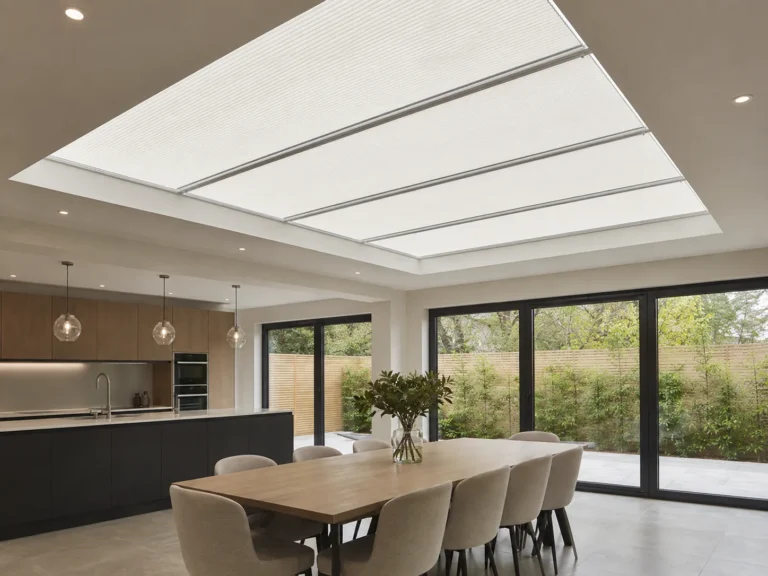
Overhead Glazing
Specialist shading for compatible roof lanterns where overhead light, glare or stronger shading needs to be managed.
Explore Roof Lantern BlindsGlazed Doors
Made-to-measure blind approaches planned around glazed-door movement, access and privacy.
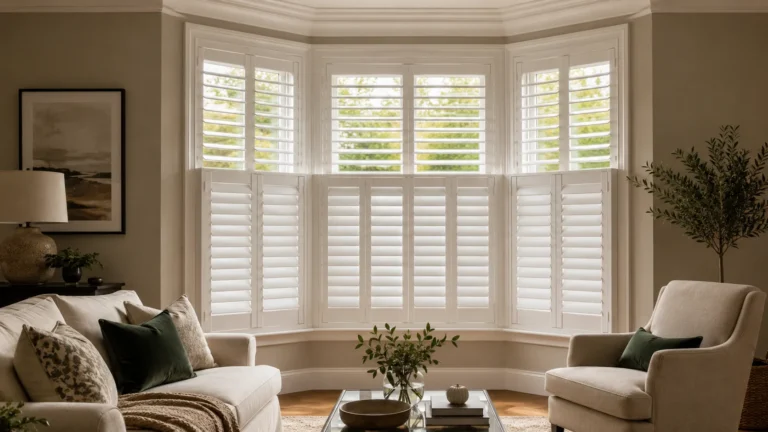
Framed Louvres
Interior shutter systems that provide adjustable louvre control and a more permanent framed treatment.
Explore Window ShuttersMore Specific Door Guidance
Once you know the opening you are working with, the dedicated door guides go deeper into the movement, clearance and access considerations specific to that door arrangement.
Explore options around folding panels, stacking space, glazing and how the blinds interact with several moving door sections.
Explore Bi-Fold Door BlindsRead specific guidance for paired hinged doors, including handles, locks, door swing and individual glazed panels.
Explore French Door BlindsCompare approaches for wide sliding doors where daily access and space for the blind to clear the opening are important.
Explore Patio Door BlindsSpecialist Blind Routes
Some homeowners start with a particular problem or type of opening rather than a conventional blind style. These specialist pages provide deeper guidance for those requirements.
Guidance for coordinating blinds across angled or multi-part bay windows.
Compare options where stronger light reduction is one of the main priorities.
Explore compatible powered options for convenience, larger glazing and less accessible windows.
See options for skylights and other compatible roof-window applications.
Explore layered fabric blinds designed for flexible daytime light and privacy adjustment.
Compare real-wood and related slatted styles where their appearance and material characteristics suit the room.
From Enquiry to Fitting
Noble Blinds follows a four-stage customer process from the first enquiry through to professional installation. Home appointments, measuring and quotations form part of the service.
Contact Noble Blinds by phone, WhatsApp, website or email and arrange a home appointment.
The opening is inspected and measured, with door movement, handles, privacy needs and suitable blind approaches discussed at home.
Compare suitable products, colours, fabrics and options, then receive a quotation for the agreed made-to-measure solution.
The chosen blinds are supplied and professionally installed, with the finished operation checked around the actual door.
Door Blinds Near You
Explore Door Blinds service pages across the areas covered by Noble Blinds. Choose your location to continue to the most relevant published local Door Blinds destination.
Customer Feedback
Read genuine Google feedback about Noble Blinds service, advice, communication, measuring, professional fitting and the finished result.
Very nice and professional, paying attention to details and your wishes and make sure that everything is how would you like to be, high quality too. Highly recommended 💯
Great customer service quote and fitting are quick I’m really happy with my blinds they look stunning! Thank you again TikTok friend
Excellent service from start to finish. Good quality blinds friendly and efficient chap who knows his stuff. Fitted all mine today in no time. Would definitely recommend Luxury Blinds
Great service and amazing quality blinds all fitted very professionally plus very quick service. Thank you
Fast and efficient service, blinds look great and made room look new.
The person was great and love the blinds .thanks
Great service, fantastic job, great quality! Patient and understanding and I'm definitely recommending to family and friends. Thank you again!
Job well done and very friendly service, highly recommend this company
Great service, fantastic job. I’m very happy with the service definitely I’m gonna recommend my family and friends thank you.
Professional service provided and amazing quality blinds, would highly recommend. Thank you.
Why Noble Blinds
Choosing blinds for moving doors can involve more than colour and fabric. Noble Blinds provides the measuring, advice and fitting needed to make the final decision around the actual opening.
Discuss how the doors are used, what level of privacy you need and which blind approaches are genuinely worth considering.
The opening can be measured at home so the blind is planned around the real dimensions and usable space.
The selected blind is produced for the relevant opening and agreed requirements rather than chosen as a standard off-the-shelf size.
Compare suitable styles, fabrics and operating approaches with advice focused on the way the room and doorway are actually used.
Noble Blinds supplies and professionally fits the products it sells, so fitting forms part of the complete service.
Contact Noble Blinds after fitting if you need help with the supplied product or installation.
Door Blind Questions
These practical questions cover everyday access, handles, privacy, blackout expectations and the way different door layouts can affect the most suitable blind approach.
Sliding doors need clear space for the moving panels and blind stack, while hinged doors need clearance for the opening arc, handles and locks. The full door movement should be checked before deciding the blind position.
Frequent access makes easy operation and clear movement especially important. The blind should not make the doorway awkward to use, and its controls, stack position and fitting method should suit normal daily movement.
Handles and locks reduce the usable space around the glazing. The blind, headrail and controls need enough clearance to avoid obstructing the hardware throughout its normal movement, which is best checked during measuring.
A door-mounted blind can be useful where compatible glazed panels are opened frequently and the blind can remain neatly with the moving panel. Suitability depends on the frame, glazing, handles and available clearance.
A whole-opening treatment can suit wider glazed areas where individual panel fitting is unsuitable or unnecessary. There still needs to be enough space for the blind to stack, roll or draw clear when access is required.
Limited side space can affect options that need to stack beside the opening. A more compact overhead or compatible frame-mounted approach may work better, depending on the door width, movement and available fixing space.
Yes, some compatible frame-mounted systems are designed to move with the door panel. This is not suitable for every frame or glazing arrangement, so compatibility and clearance should be confirmed before choosing the system.
For stronger evening privacy, the blind normally needs to be in a more closed position because illuminated rooms are easier to see into. Opaque fabrics, closed slats or suitably overlapped materials can provide greater screening.
Blackout fabric can block a high level of light through the material, but light may still enter around the edges, handles or fitting gaps. Complete darkness should not be assumed from blackout fabric alone.
Either approach may work. The decision depends on the panel layout, everyday access, available stacking space and practical operation. Dividing a wide opening can give more flexible access, while one larger treatment can create a simpler overall arrangement.
Ready to Discuss Your Doors?
Book a home appointment for practical advice, professional measuring and a quotation for made-to-measure door blinds planned around your actual glazing, access and privacy requirements.