Window Coverage
Lower
Lower the blind when you want greater window coverage, privacy or stronger control of incoming daylight.
Made-to-Measure Roman Blinds
Choose Roman Blinds around the look of your room, the light control you need and the way your window is used, with measuring, practical advice and professional fitting from Noble Blinds.
Tell us about your window and what you want from the blind. We can help with suitability, fabric, lining, operation and the next step.
Roman Blind Basics
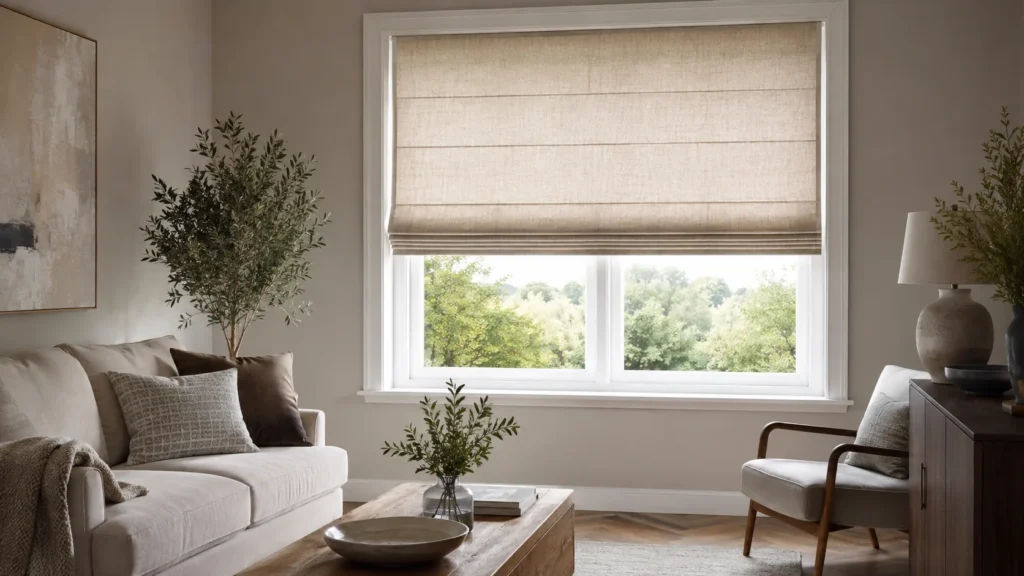
Roman Blinds are fabric window coverings that lower as a flat panel and gather into distinctive horizontal folds as they are raised.
Their fabric-led appearance gives a room a softer finish than many flat or slatted blind styles, while fabric, lining, fitting position and window proportions influence privacy, light control and everyday operation.
Everyday Operation
Roman Blinds move vertically across the window, changing from a full fabric panel when lowered to a folded stack when raised.
Window Coverage
Lower the blind when you want greater window coverage, privacy or stronger control of incoming daylight.
Fabric Movement
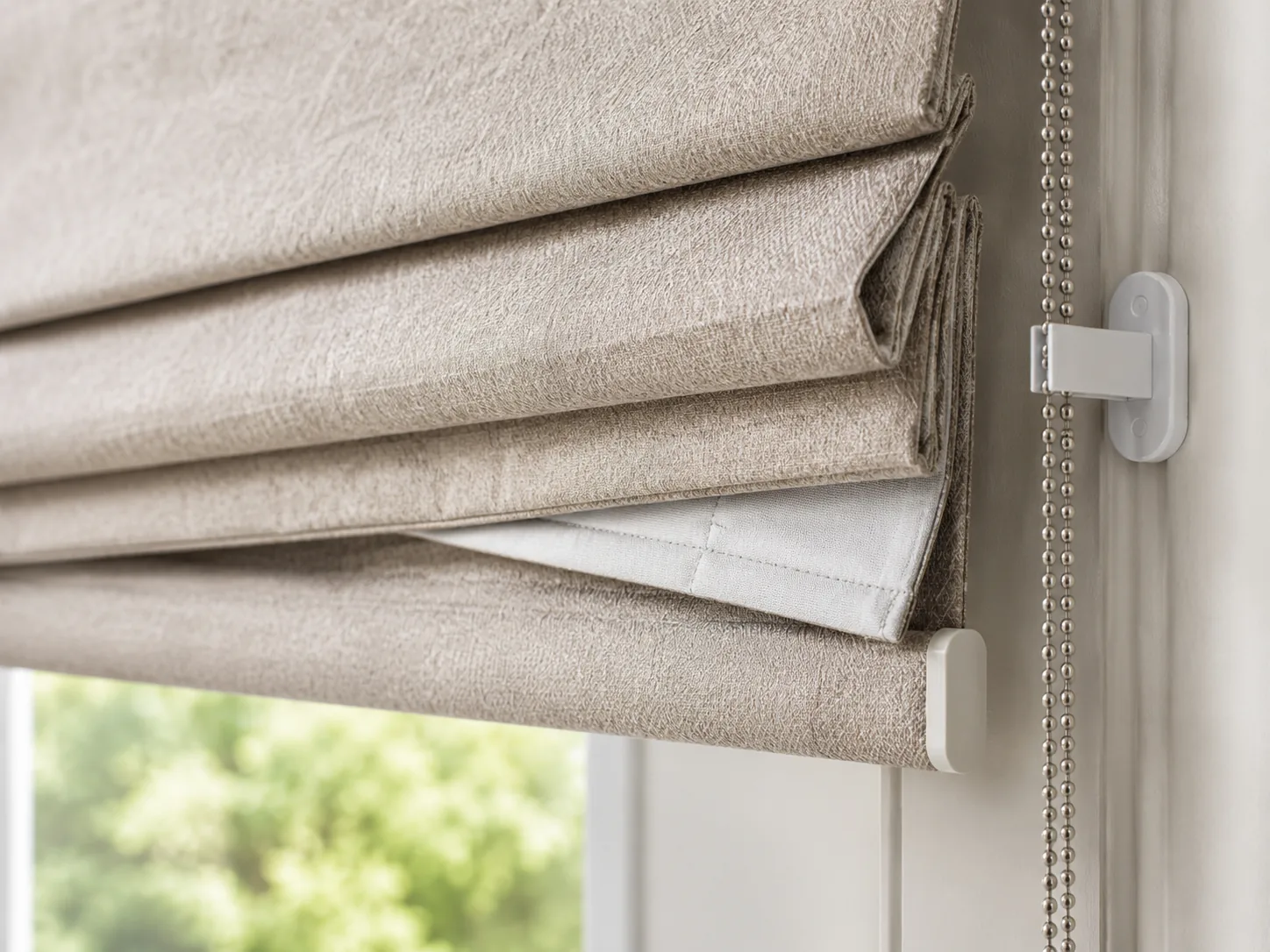
As the blind rises, the fabric forms horizontal folds rather than rolling around a tube.
Raised Position
The raised folds remain visible at the top, so some glass may remain covered even when the blind is fully open.
Control Choice
Roman Blinds can use an appropriate manual control or, where specified, Motorised operation for easier powered adjustment.
Why Choose Roman Blinds?
Roman Blinds can suit homeowners who want practical window coverage with the softer appearance and decorative flexibility of fabric.
The folded fabric gives the window a warmer, more furnishing-led look than many simple flat or slatted blind styles.
Plain, textured, woven and patterned looks can change how prominent or understated the blind feels within the room.
Lowering the blind provides useful window screening, with the exact privacy level influenced by the selected fabric and lining.
The blind can be positioned according to the amount of daylight or glare you want to manage during the day.
The final width, drop and fitting position can be planned around the actual opening rather than a generic ready-made size.
Roman Blinds can offer straightforward manual control or powered operation where that adds useful convenience.
Fabric-Led Style
Roman fabric can be quiet and understated or become a stronger decorative feature. Start with how prominent you want the window treatment to feel.
A plain neutral Roman blind can sit comfortably within an existing room scheme without becoming the dominant feature.
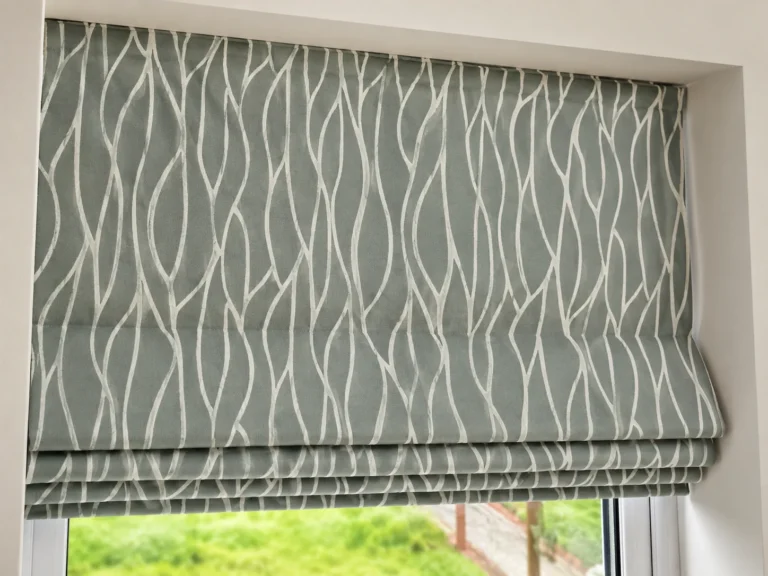
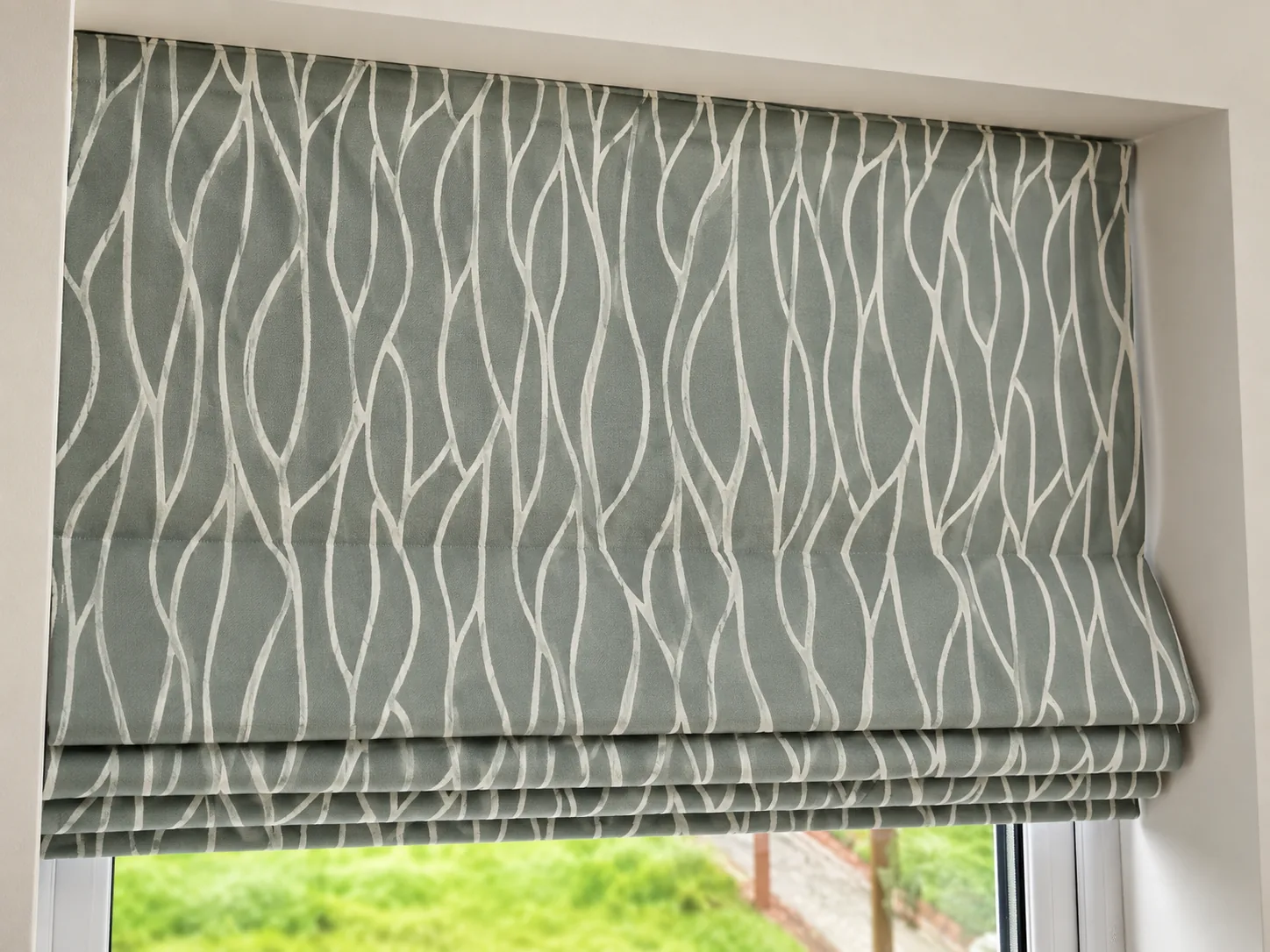
Pattern can give the window more character where the blind is intended to contribute visibly to the room design.
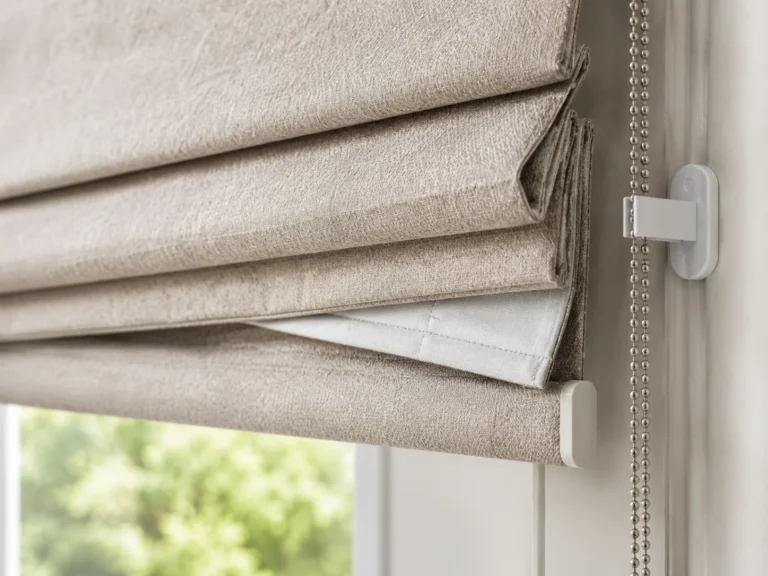
The fabric surface and body influence how the folds read when the blind is raised and viewed at close range.
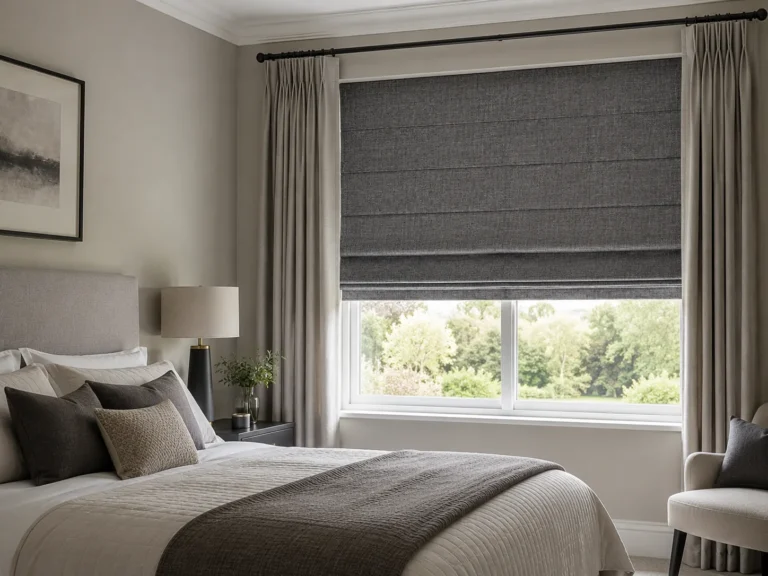
A darker Roman blind can provide stronger visual contrast where the room palette supports a more defined window treatment.
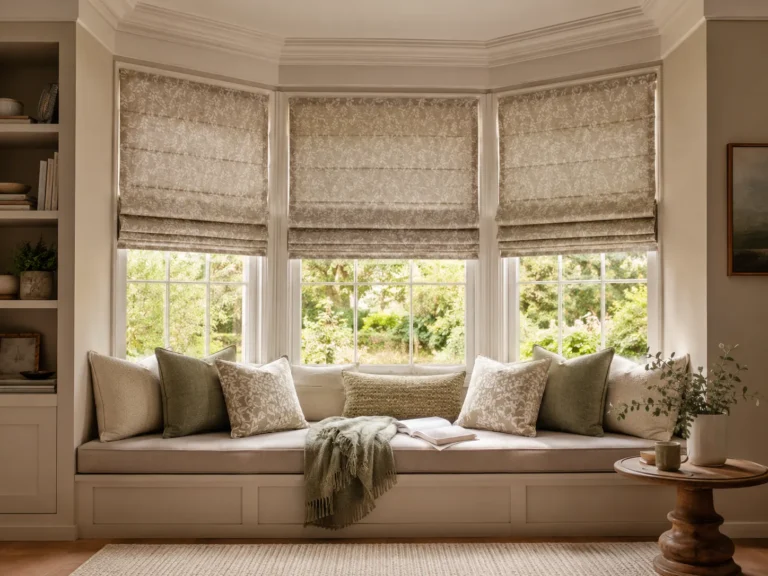
Matching Roman Blinds can create a consistent fabric treatment across several panes where the opening geometry allows individual Blinds to work comfortably.
Choosing the Lining
Lining affects the way a Roman blind manages light and can also influence the body of the finished fabric.
Begin with the room and the result you need rather than choosing lining by name alone. Everyday daylight, stronger light reduction and the appearance of the finished folds may all matter.
Choose around the balance of natural light and privacy you want during normal daytime use.
A Dimout specification can reduce incoming brightness without aiming for the stronger darkness associated with Blackout material.
Blackout lining can block much more light through the fabric, although the finished installation may still allow light around the edges.
Everyday Light Management
Privacy, useful daylight and glare reduction are different requirements. Deciding which matters most helps narrow the fabric, lining and everyday blind position.
Raise or partly lower the blind according to how much natural light you want entering the room.
Lowering a suitably specified Roman blind can provide useful screening where the window is overlooked or evening privacy matters.
Covering more of the glazing can help reduce distracting direct brightness in living rooms, dining areas and workspaces.
Greater window coverage improves screening and glare control, but also reduces the clear view and daylight through the glazing.
Realistic Light Reduction
The material and the fitting both affect how dark the room feels. Blackout fabric is not the same as guaranteed total room darkness.
Dimout can soften incoming light and glare while retaining more ambient brightness than a Blackout specification.
Blackout material provides much stronger light blocking through the blind itself when the fabric is fully lowered.
Light may still enter around the sides, top, sill or recess depending on the fitting position and window construction.
If very strong room darkening is important, the complete window and fitting arrangement matters as much as the fabric classification.
Around the Home
The same blind can face very different demands from one room to another. Consider privacy, darkness, glare, moisture and how the window is used.
A Roman blind can add a softer decorative finish while providing straightforward privacy and everyday daylight control.
Bedrooms may benefit from Dimout or Blackout lining where stronger light reduction matters, subject to realistic edge-light expectations.
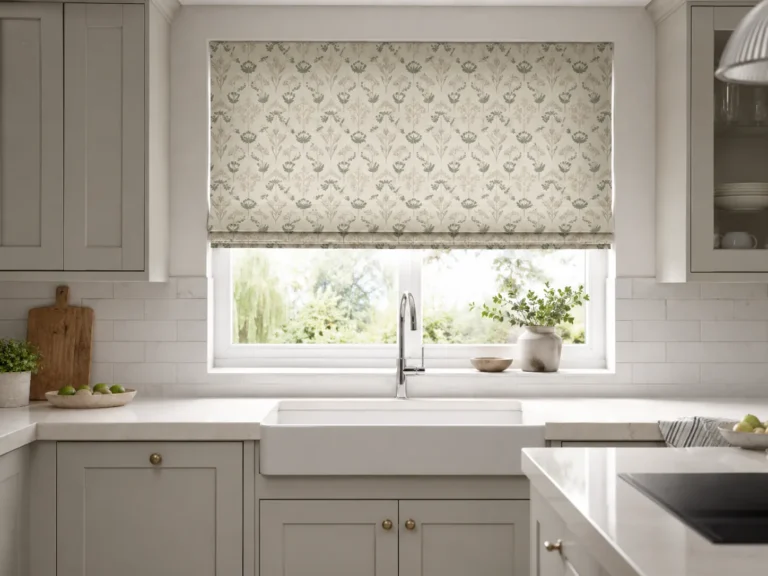
Roman Blinds can work in suitable kitchen positions where the fabric is not regularly exposed to heavy steam, condensation or direct splashing.
Individual Roman Blinds can create a coordinated fabric treatment around a bay where clearances and neighbouring Blinds are carefully planned.
Opening Suitability
Window size, recess depth, handles, opening movement and raised stack can all affect whether a Roman blind will work comfortably.
Many straightforward windows can suit Roman Blinds where there is sufficient fixing space and usable clearance.
Several individual Roman Blinds can work across a bay where angles, handles and neighbouring blind positions are measured carefully.
Larger widths need careful consideration of fabric weight, operation and the amount of material collected when the blind is raised.
Roman Blinds can give a prominent window a strong fabric-led finish where the opening remains practical to operate.
Check whether the blind must be raised before opening the window and whether handles remain easy to reach.
Where the opening moves frequently or has limited clearance, another blind system may sometimes be more practical than a traditional Roman blind.
Fitting Position
The better fitting position depends on usable recess depth, handles, surrounding wall space and how much clear glazing you want when the blind is raised.
This keeps the blind contained within the window opening where the recess provides enough usable depth and clearance.
An outside fit positions the blind across the opening and can be useful where the recess is shallow or obstructed.
A stack sitting inside the recess can cover more upper glass when the blind is fully raised.
Outside fitting needs suitable space above and beside the opening for the chosen blind dimensions and fixings.
When raised, Roman fabric remains folded at the top. The blind proportions, fabric, lining and fitting position therefore affect visible glass, daylight, the outside view and access to the upper window.
Room Conditions
Roman Blinds are fabric products. Regular steam, splashing and condensation should therefore form part of the suitability decision.
A position exposed to frequent heavy steam may be less suitable for a traditional fabric Roman blind.
Do not assume standard Roman fabric is appropriate where water regularly reaches the blind.
Persistent moisture on the window can repeatedly expose nearby fabric to damp conditions.
Where moisture practicality or easy wiping is the priority, another blind material may be more suitable.
Choose the Operation
The useful choice depends on reach, blind size, frequency of operation and whether powered control adds meaningful convenience.
Manual operation can be practical where the window is easy to reach and the blind is comfortable to adjust routinely.
You operate the blind directly without needing a powered control system.
For many normal-height windows, manual control may provide all the day-to-day convenience required.
Motorised Roman Blinds can be useful where the control position or window height makes frequent manual operation inconvenient.
Powered operation may improve convenience on suitable larger Roman Blinds where frequent adjustment would otherwise be less comfortable.
Motorisation can make repeated raising and lowering easier, subject to the motor and controls being suitable for the final specification.
Where a manual system uses a cord or chain, appropriate safety provisions should form part of the installation. Cordless or Motorised operation may also be considered where the selected Roman system supports it.
Check the Actual Window
Professional measuring considers the complete opening rather than width and drop alone.
Width and drop are measured for the intended fitting position rather than assumed from nominal window size.
Usable recess depth and surrounding fixing space help determine whether the blind should sit inside or outside the opening.
Projecting hardware and nearby features are checked so they do not unnecessarily interfere with the blind.
The full movement of the window is considered so normal access remains practical after fitting.
Roman Blinds and curtains can work together for a layered fabric look. Plan the blind position, curtain track or pole, raised stack and projection together so both treatments can open and close comfortably.
Compare the Alternatives
Roman Blinds prioritise a softer fabric appearance. Other blind types can be more practical where compactness, slat adjustment, moisture, wide glazing or frame-mounted operation matters more.
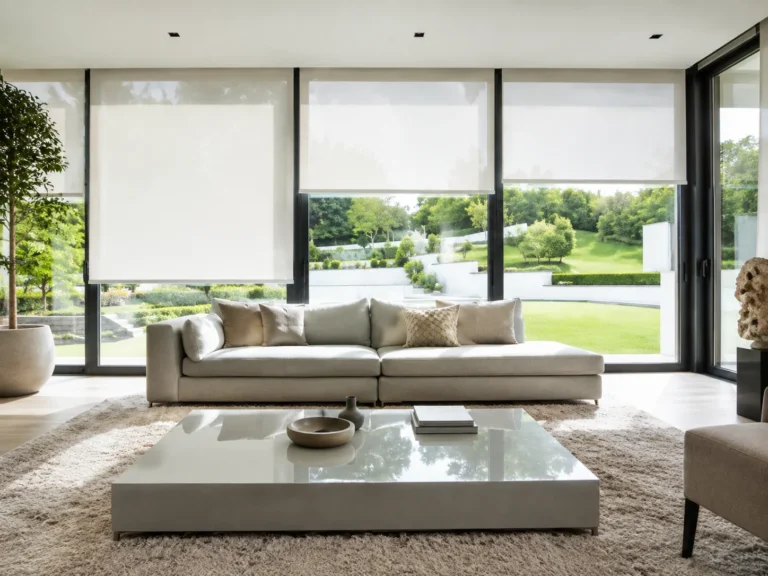
A simpler fabric blind with a more compact raised profile where minimal stack at the top is important.
Explore Roller Blinds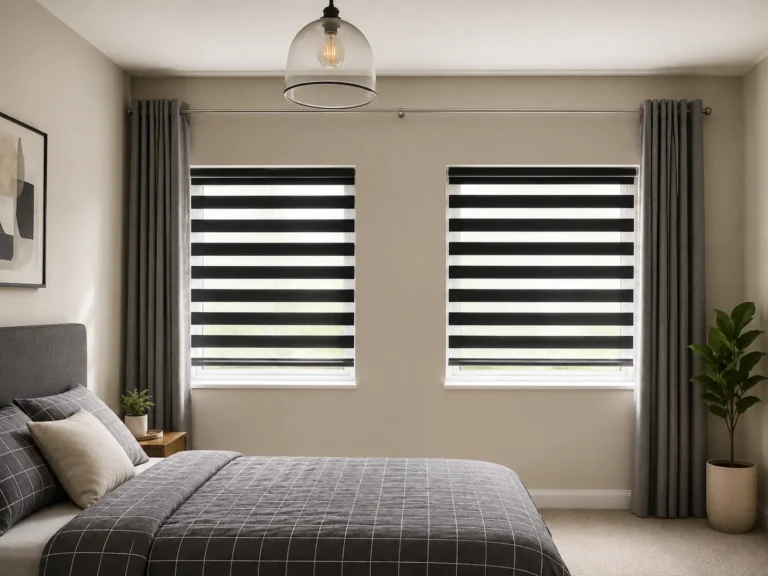
Useful where adjustable interaction between translucent and opaque fabric bands is important for daylight and privacy.
Explore Vision Blinds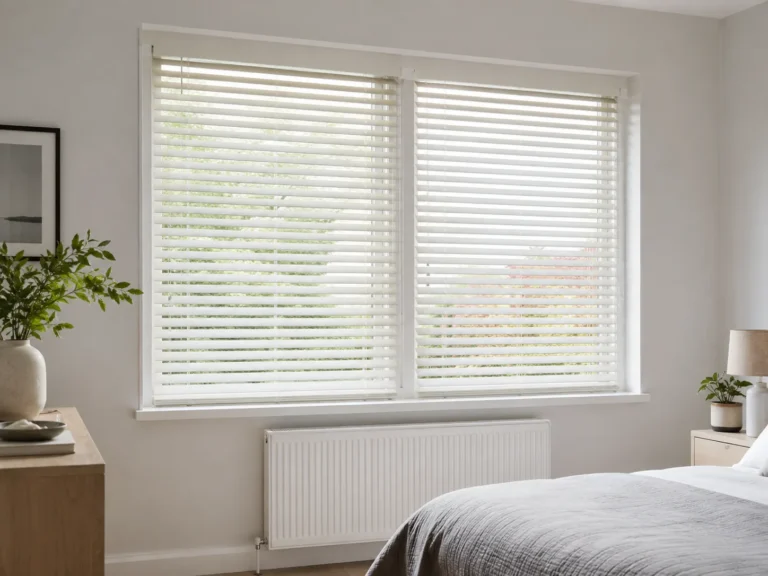
Tilting horizontal slats provide more directional control of daylight and privacy without lowering a complete fabric panel.
Explore Venetian Blinds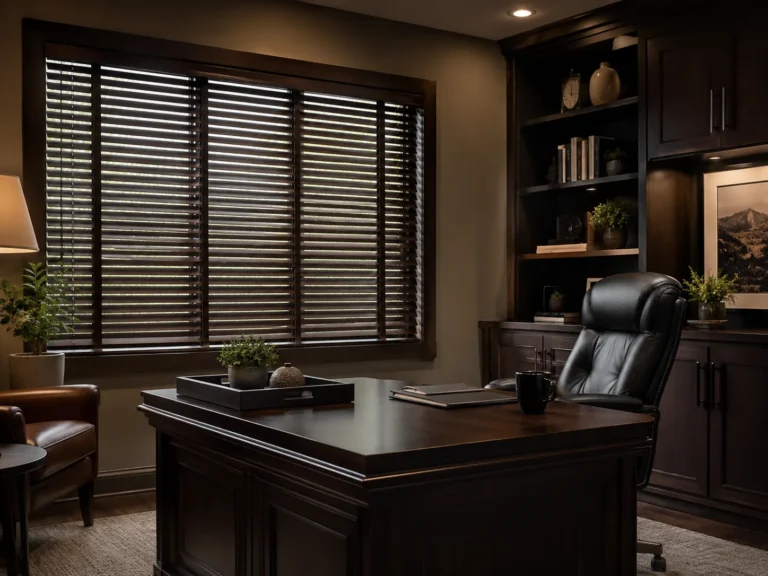
A structured slatted treatment with a different material character where the warm look of wood or Faux Wood is preferred.
Explore Wooden Blinds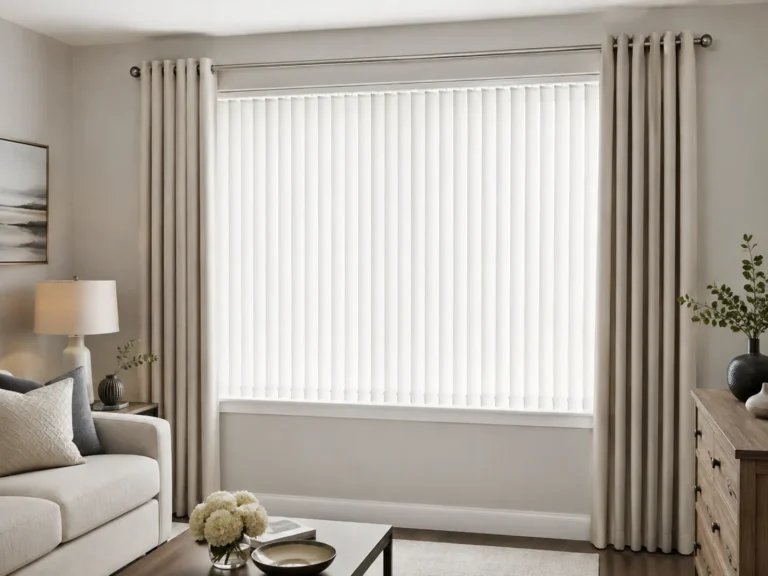
Often practical for wide glazing and doors where tilting louvres and sideways stacking help maintain access.
Explore Vertical Blinds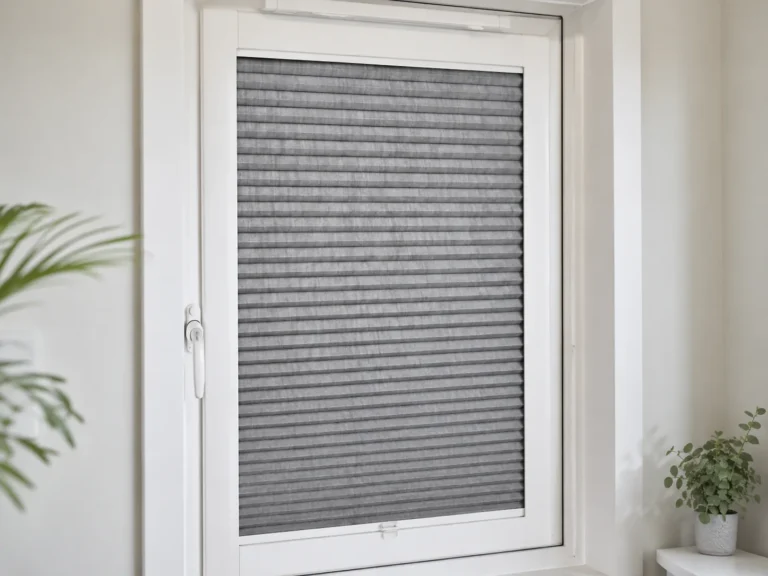
A compact folded fabric option that may work where available space or specialist glazing makes Roman folds less practical.
Explore Pleated Blinds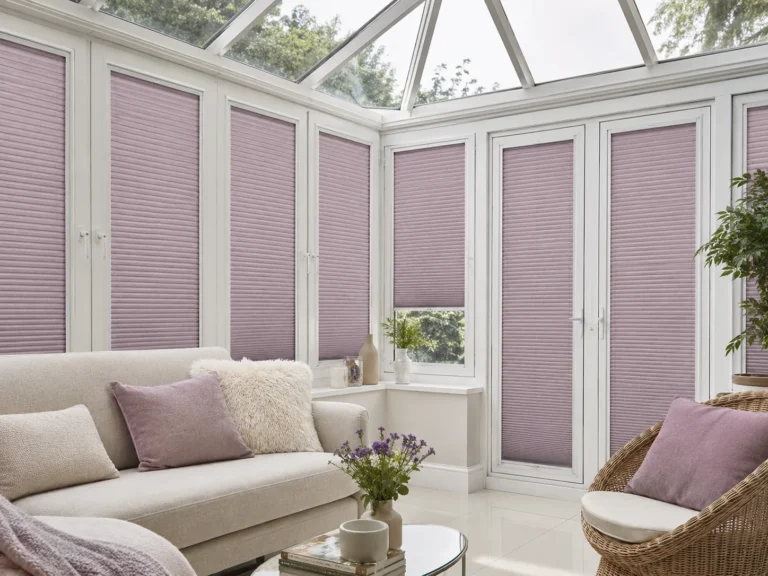
A frame-mounted approach for compatible windows and glazed doors where conventional wall or recess mounting is not preferred.
Explore Perfect Fit Blinds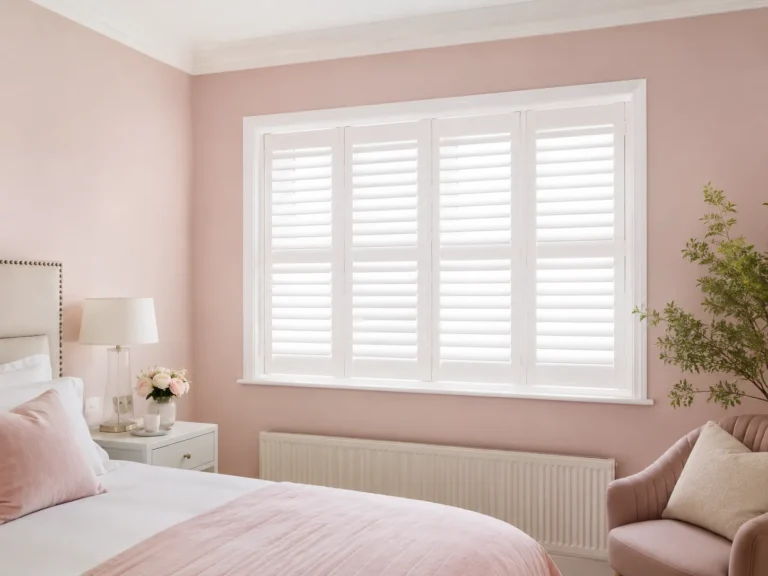
A more architectural window treatment with adjustable louvres and opening panels rather than a fabric blind.
Explore Window ShuttersEveryday Fabric Care
Care should suit the actual fabric rather than assuming every Roman blind can be cleaned in the same way.
Check the appropriate care guidance before deeper cleaning, stain removal or using moisture on the fabric, particularly where the blind has a specific lining or textured finish.
Light dusting or careful vacuuming with a suitable soft attachment can help prevent loose dust from building up.
Avoid aggressive rubbing or soaking. Use the care method recommended for the selected fabric.
Keep the blind away from repeated splashing, heavy steam and persistent damp where possible.
Explore Other Blind Types
If Roman Blinds are not the best match for your opening or priorities, explore other broad blind types and door solutions available through Noble Blinds.
A practical option for wide windows and larger glazed areas, with tilting louvres and a sideways stack.
Explore Vertical BlindsSimple fabric coverage with a compact rolled profile when raised and a broad range of practical applications.
Explore Roller BlindsAlternating fabric bands provide a different approach to balancing privacy and daylight.
Explore Vision BlindsFrame-mounted blind systems for compatible windows and glazed doors where the integrated fitting method is suitable.
Explore Perfect Fit Blinds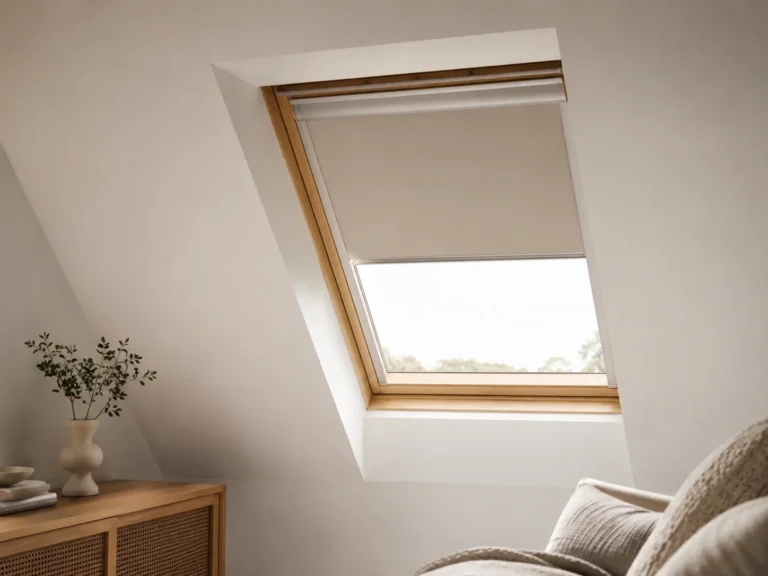
Brand-specific blind solutions for compatible VELUX roof windows, where exact window identification and product compatibility matter.
Explore VELUX BlindsCompact folded fabric Blinds suited to a variety of windows, including specialist applications where the selected system is appropriate.
Explore Pleated BlindsHorizontal slats provide adjustable privacy and directional daylight control.
Explore Venetian Blinds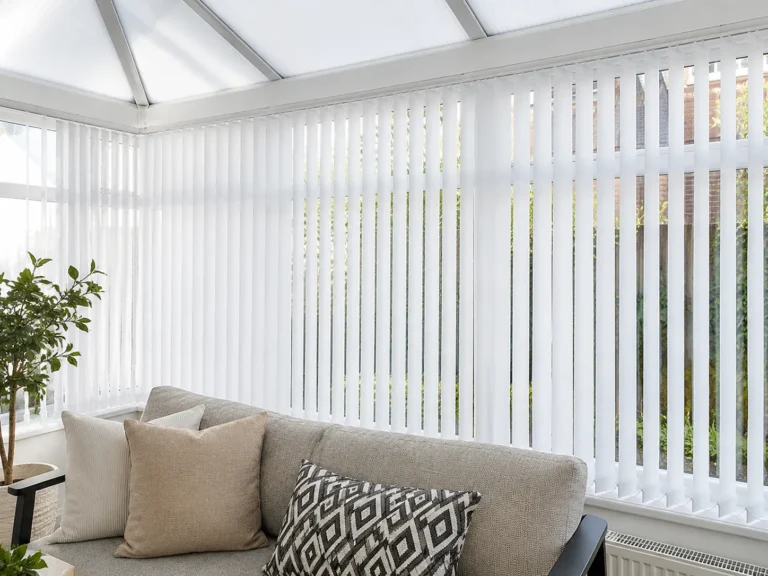
A coordinated approach for conservatory glazing where different parts of the room may need different blind solutions.
Explore Conservatory Blinds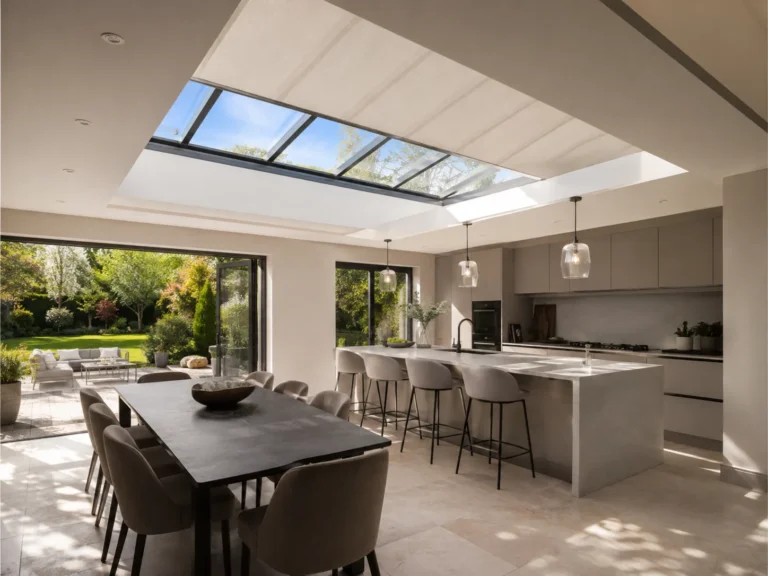
Specialist shading for overhead roof-lantern glazing, with operation and fit chosen around the opening and accessibility.
Explore Roof Lantern Blinds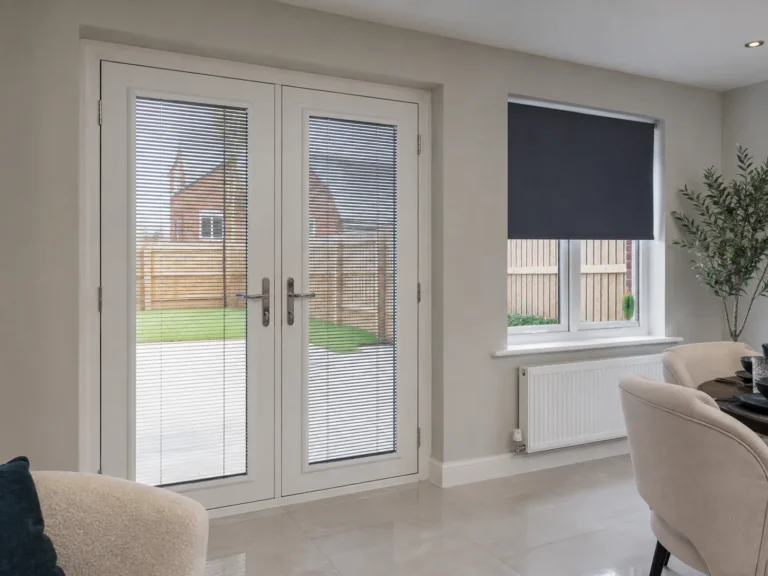
Explore blind approaches for glazed doors where movement, handles, clearance and everyday access influence the suitable solution.
Explore Door BlindsA structured alternative using framed panels and adjustable louvres rather than fabric folds.
Explore Window Shutters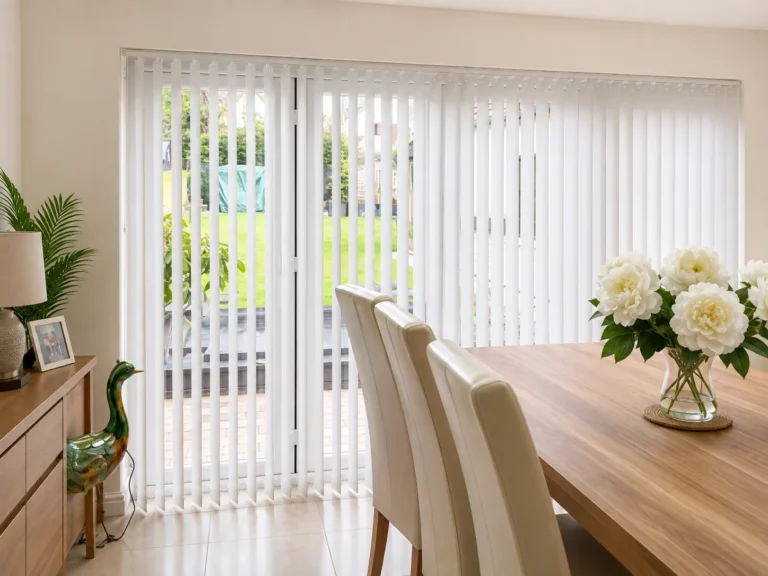
Explore blind solutions for sliding and patio-door glazing where width, movement and clear access require careful planning.
Explore Patio Door BlindsSpecialist Blind Routes
Some requirements are better approached through the opening, problem or search term rather than one general blind technology.
Compare options around individual door panels, stacking, handles, frame depth and the need to keep the doors operating freely.
Explore Bi-fold Door BlindsExplore solutions for paired glazed doors where handles, hinges and opening movement influence the fitting approach.
Explore French Door BlindsCompare blind types and fitting approaches for multiple panes, bay angles, corner clearances and coordinated appearance.
Explore Bay Window BlindsExplore stronger light-reduction options across suitable blind types where room darkness is a primary requirement.
Explore Blackout BlindsCompare powered blind options where reach, convenience, large glazing or frequent adjustment make motorisation useful.
Explore Motorised BlindsExplore solutions for generic skylights and roof windows where glazing angle, access and controlled movement require a specialist approach.
Explore Skylight BlindsAlternating sheer and opaque bands offer a different way to manage daylight, privacy and view-through.
Explore Day and Night BlindsExplore slatted Wooden and Faux Wood options where adjustable light control and a structured material-led appearance are preferred.
Explore Wooden BlindsRoman Blinds Near You
Explore Roman blind service pages for areas covered by Noble Blinds, with local routes to product advice, measuring and fitting while this page remains the main Roman blind guide.
How the Service Works
The service follows a simple sequence so the window and specification are understood before the made-to-measure blind is supplied.
Contact Noble Blinds and arrange a home appointment at your property.
The opening is measured and suitable blind, fabric, lining and operating choices can be discussed.
Confirm the preferred specification and receive a quotation for the agreed made-to-measure solution.
The made-to-measure blind is supplied and professionally installed, with the completed work supported by Noble Blinds aftercare.
Genuine Customer Feedback
Read genuine Google feedback about Noble Blinds service, advice, communication, measuring, professional fitting and the finished result.
Very nice and professional, paying attention to details and your wishes and make sure that everything is how would you like to be, high quality too. Highly recommended 💯
Great customer service quote and fitting are quick I’m really happy with my blinds they look stunning! Thank you again TikTok friend
Excellent service from start to finish. Good quality blinds friendly and efficient chap who knows his stuff. Fitted all mine today in no time. Would definitely recommend Luxury Blinds
Great service and amazing quality blinds all fitted very professionally plus very quick service. Thank you
Fast and efficient service, blinds look great and made room look new.
The person was great and love the blinds .thanks
Great service, fantastic job, great quality! Patient and understanding and I'm definitely recommending to family and friends. Thank you again!
Job well done and very friendly service, highly recommend this company
Great service, fantastic job. I’m very happy with the service definitely I’m gonna recommend my family and friends thank you.
Professional service provided and amazing quality blinds, would highly recommend. Thank you.
Why Noble Blinds?
Noble Blinds provides an appointment-based made-to-measure service designed to help you choose a suitable blind for the real window and room.
Discuss the room, opening and result you want before deciding which blind specification is suitable.
Noble Blinds can visit your property so the actual window can be considered before you commit.
Professional measuring is provided as part of the service, including relevant fit and clearance checks.
Once the requirement and preferred specification are understood, Noble Blinds provides a quotation.
The products supplied by Noble Blinds are professionally installed as part of the service.
Contact Noble Blinds after fitting if you need help with the supplied product.
Ready to Discuss Your Windows?
Book a home appointment to discuss your Roman blind requirements, check the opening and explore suitable fabric, lining and operating choices before receiving a quotation.
Practical Roman Blind Questions
Clear answers to fitting and everyday-use questions that may still matter once you understand the main Roman blind choices.
When raised, the fabric folds collect at the top rather than disappearing. The amount of glass covered depends on the blind size, fabric and lining, so this matters where keeping more of the window visible is important.
An outside-recess fit can position more of the raised fabric above the opening rather than over the glass. This can preserve more visible window area where there is suitable fixing space around the recess.
No. Blackout lining blocks much more light through the material, but light can still enter around edges, frames or recess gaps. The fitting position therefore affects overall darkness as well as the lining itself.
Where fabric is regularly exposed to condensation, splashes or heavy steam, a more moisture-practical blind may be easier to maintain. The exact position and normal room conditions should be considered before choosing Roman Blinds.
They can be, provided normal window movement remains convenient. Check whether the blind needs raising before opening, whether handles stay accessible and whether the raised stack leaves enough clearance for frequent use.
Motorised Roman Blinds can be useful where a blind is high, larger, difficult to reach or operated frequently. Exact motor, power and control options depend on the selected system and final blind specification.
Possibly, but usable recess depth must be checked first. The blind, fittings, handles and vents need sufficient clearance. Where the recess is too shallow, an outside-recess fit may be more practical.
Roller Blinds are generally more compact when raised because the fabric rolls around a tube. Roman Blinds retain a visible folded stack, so they suit rooms where the softer fabric appearance matters more than minimal stack depth.
Both treatments need enough projection and clearance to operate independently. Consider the curtain pole or track, Roman blind stack and fitting position together so the curtains and blind do not obstruct one another.
Measure each opening individually and consider top alignment, the gap between Blinds, control positions and how the folds line up. Careful measuring helps the pair look balanced when both are raised or lowered.