
Make Bright Glazing Easier to Use
Reduce uncomfortable brightness where direct daylight is strongest without automatically darkening every window in the room.
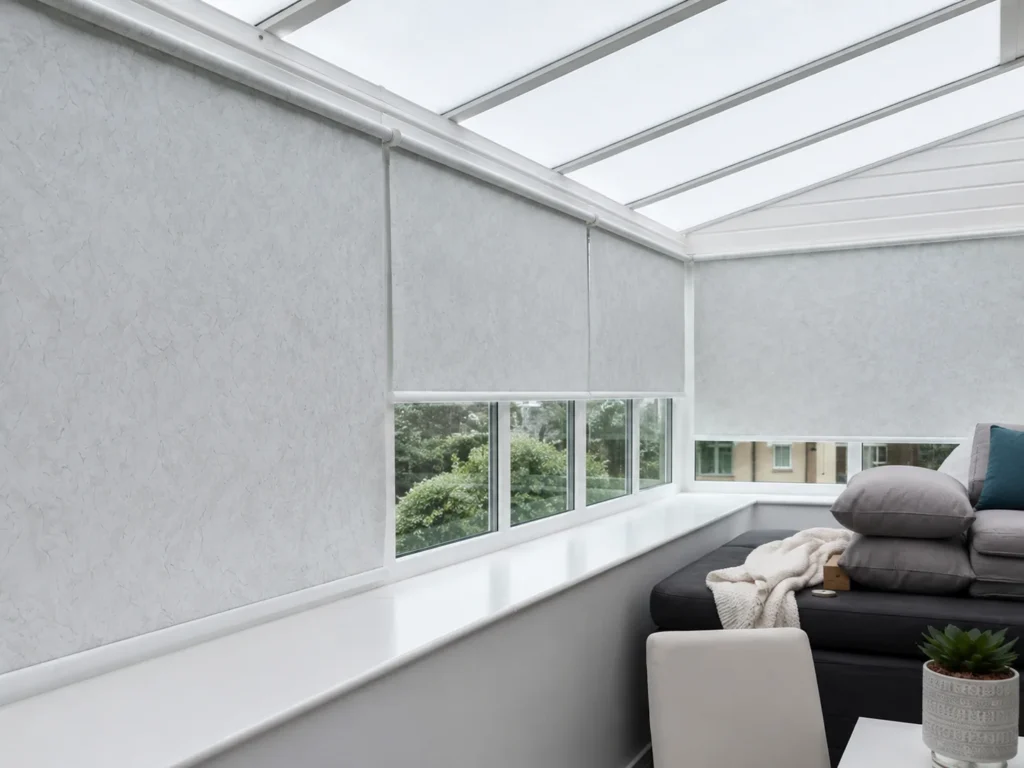
Made-to-Measure Conservatory Blinds
Manage privacy, bright daylight and awkward glazing with made-to-measure conservatory blinds planned around your windows, doors and room.
Tell us about your conservatory and what you would like help with. We can discuss suitable options and arrange professional measuring at your home.
Understanding the Options
Conservatory blinds are made-to-measure window coverings selected around the different glazed areas of a conservatory rather than one single fixed blind design.
A conservatory can include side windows, opening vents, glazed doors and high or angled glazing. These areas do not always need the same blind or operating method. The most suitable approach depends on what each part of the room needs to achieve, so the room is usually better considered as several glazing zones.
Explore the Conservatory Blind Options Below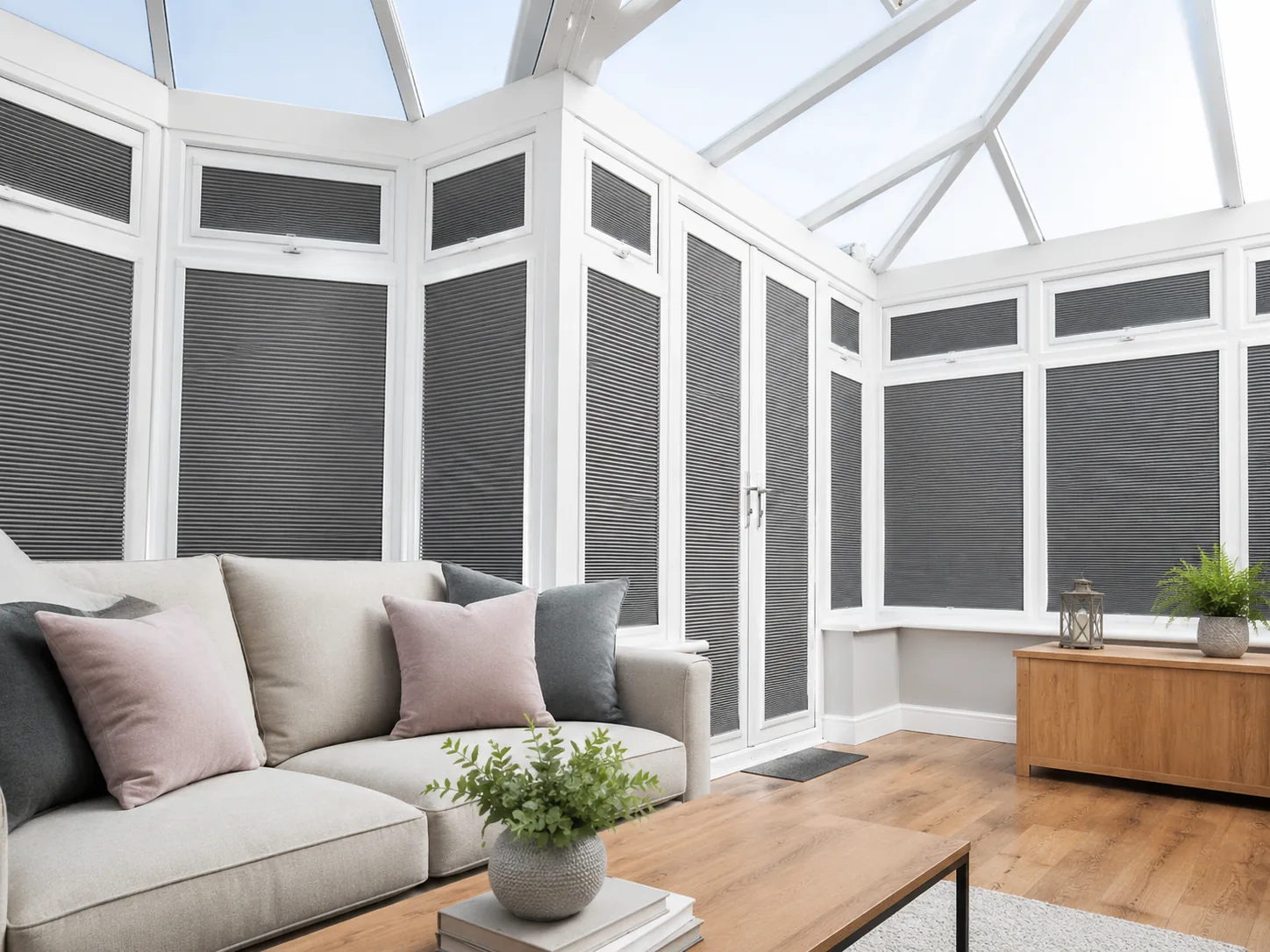
Everyday Benefits
Well-planned blinds can make a highly glazed room easier to use throughout the day while letting different parts of the conservatory perform different jobs.
Reduce uncomfortable brightness where direct daylight is strongest without automatically darkening every window in the room.
Give exposed side windows or doors more screening while keeping other areas lighter and more open.
Choose lighter filtering where you want to soften the room rather than blocking more natural light than necessary.
Plan blinds around moving doors, opening windows, handles and vents so the room remains practical after fitting.
Consider different operating options for high or awkward windows that are less convenient to reach by hand.
Use complementary colours, fabrics and finishes so different blind solutions still feel like part of one planned room.
Plan the Whole Room
Looking at the complete room first helps you avoid choosing a good blind for one window that creates a practical problem elsewhere.
01 · Glazing
Separate ordinary side windows, glazed doors and upper glazing so each type of opening can be assessed on its own requirements.
02 · Priorities
Work out where privacy, glare control, stronger shading or easier operation matters most rather than giving every window the same specification.
03 · Movement
Check which windows open, which doors are used frequently and which areas may be difficult to reach once the Blinds are fitted.
04 · Finish
Bring different practical solutions together with complementary colours and finishes so the conservatory still feels visually consistent.
Start With the Problem
Starting with the problem makes it easier to choose a sensible blind approach instead of selecting a product before understanding what the room needs.
Daylight
Large glazed areas can become uncomfortably bright at particular times of day, especially where one elevation receives stronger direct light.
Privacy
Some windows may need more screening from neighbours, paths or gardens without requiring the whole conservatory to be covered.
Access
A blind can become inconvenient if the controls are difficult to reach, particularly on high-level or less accessible glazing.
Practicality
Opening windows, fixed glazing and doors can all need different fitting positions or operating methods.
Three Key Decisions
These three practical questions normally narrow the conservatory blind choice more effectively than choosing by appearance alone.
Daylight
Consider where daylight is strongest, how much natural light you want to keep and whether each zone needs filtering, dimout or stronger light reduction.
Screening
Decide which windows need screening, when privacy matters and whether an adjustable solution would preserve more useful daylight.
Everyday Use
Look at how windows and doors open, whether controls are comfortably reachable and where a different operating method may be useful.
Side Glazing
Side glazing can include several different window situations, so the best approach depends on privacy, window movement, width and how each elevation is used.
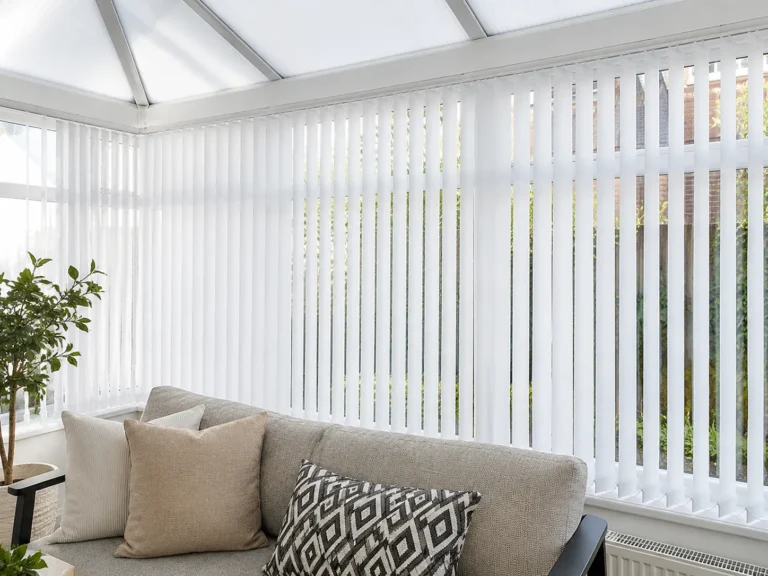
Standard vertical glazing can suit several blind types where the window shape, handles and opening method allow straightforward fitting.
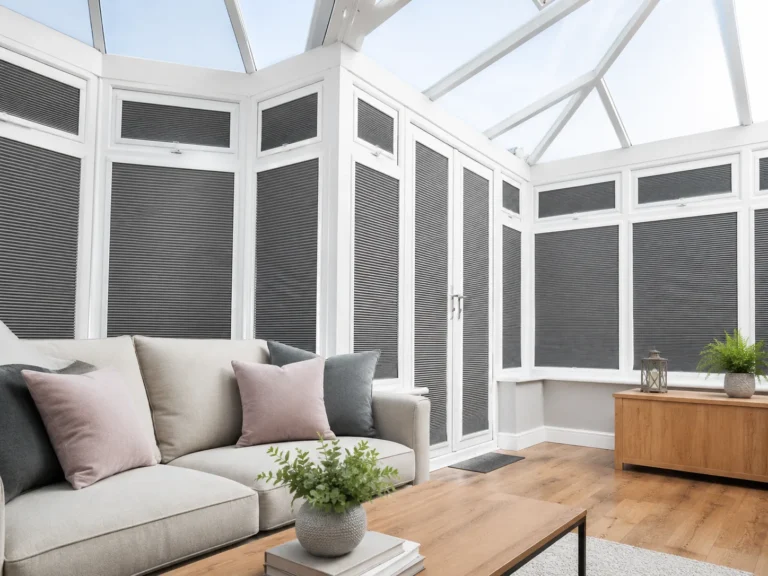
Windows that open regularly need Blinds positioned so handles remain accessible and the blind does not interfere with normal movement.
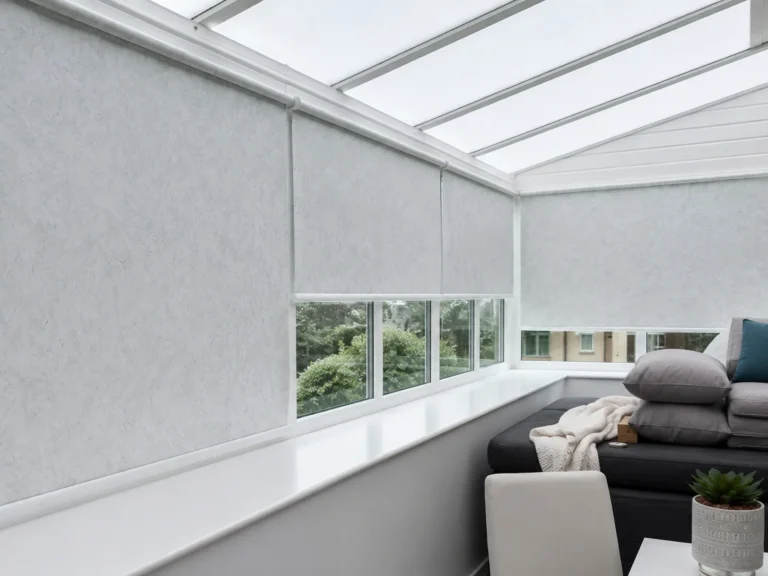
Wider banks of glazing may benefit from Blinds that can be divided or adjusted independently rather than one oversized treatment.
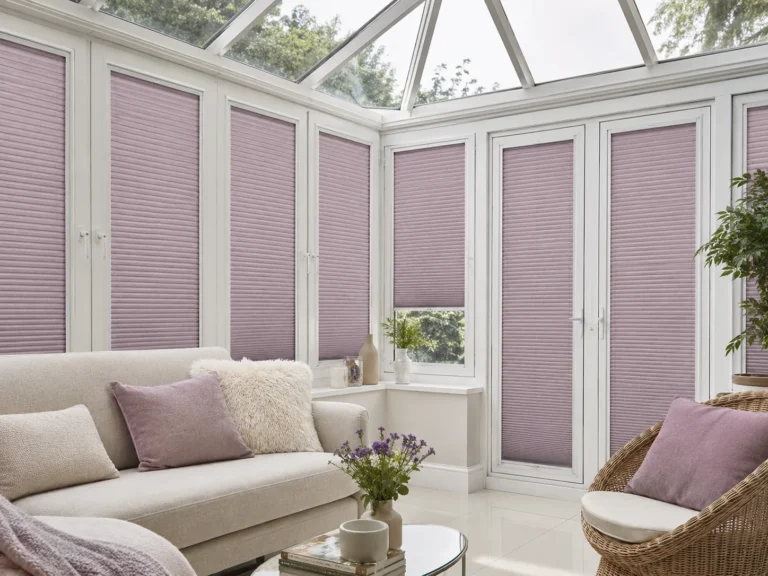
Windows facing neighbours, paths or exposed garden areas can be treated more strongly for privacy while less exposed glazing stays lighter.
Compare the Glazing
The same room can contain very different glazing conditions, so compare how each area behaves before deciding whether the same blind approach makes sense.
Vertical side windows are normally easier to reach, making everyday manual adjustment more straightforward where controls are conveniently positioned.
High or angled glazing can make manual controls less convenient, so operation should be considered early in the decision.
Side glazing often needs a balance between screening from outside and keeping useful daylight or an outside view.
Overhead glazing is generally more about controlling strong incoming daylight and glare than providing conventional eye-level privacy.
Several standard or frame-mounted blind types may be suitable depending on the window design, opening method and available clearance.
High, angled or overhead openings may require a system designed for that glazing type rather than a conventional blind adapted to fit.
Blind Options
Different blind types can solve different conservatory problems. The right option depends on the opening, fitting method, light-control requirement and how the area is used.
Pleated Blinds offer a compact fabric option that can suit conservatory windows and selected specialist applications where the system is compatible.
Perfect Fit options can provide a close-to-glass frame-mounted solution on compatible windows and doors, allowing the blind to move with the opening.
Roller Blinds offer a simple fabric treatment for suitable vertical glazing, with light-filtering, dimout and blackout-related options available across relevant ranges.
Vertical Blinds can suit suitable wider side glazing and glazed openings where adjustable louvres and sideways stacking are useful.
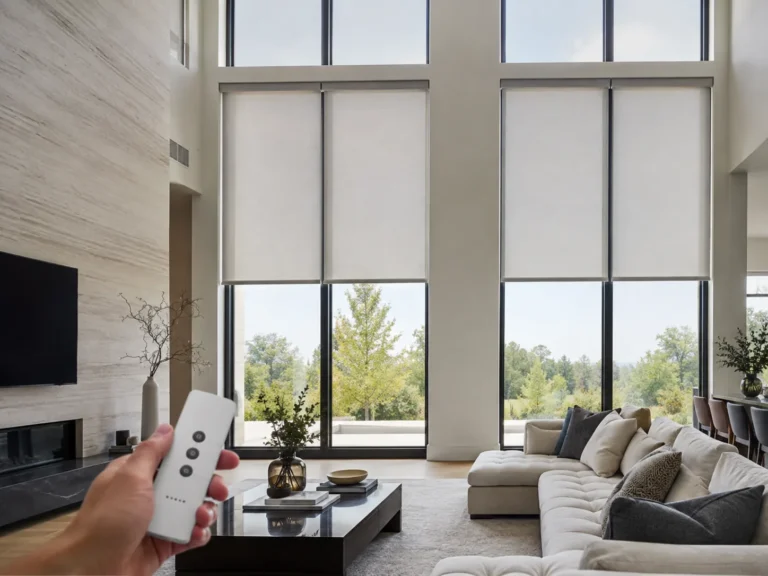
Motorised operation may be useful on compatible blind systems where glazing is difficult to reach or regular adjustment would otherwise be inconvenient.
Narrow the Choice
Begin with the requirement that matters most, then check which blind and fitting methods are genuinely suitable for the opening.
Prioritise exposed side windows and doors, using adjustable screening where you still want useful daylight during the day.
Identify the glazing receiving the strongest direct light and use stronger shading there rather than automatically darkening the entire room.
Prioritise easy operation around high glazing, frequently used doors and windows that need to open without interference.
Use different suitable blind systems where windows, doors and upper glazing have clearly different functional requirements.
Light-Control Levels
These options provide different levels of light reduction, so choose according to how bright you want each part of the conservatory to feel.
Light
Softens daylight while allowing useful natural light to remain, making it suitable where the aim is comfort rather than strong darkening.
Reduced Brightness
Reduces brightness more noticeably and can be useful where glare control is important but complete light blocking is not required.
Stronger Reduction
Blocks much more light through the blind material itself and can suit glazing where stronger light reduction is the priority.
Expectation
Blackout material does not guarantee complete darkness because light can still enter around edges, frames, doors and untreated glazing.
Zone the Light
A conservatory does not have to use the same light-control level everywhere. Different zones can be treated according to how daylight enters and how the opening is used.
Balance privacy, outside views and useful daylight. One elevation may need more screening than another depending on exposure.
Choose enough shading for comfort while keeping the door straightforward to open and use throughout the day.
Consider stronger overhead daylight, glare and access, with a suitable system and control method for the glazing position.
Powered Operation
Motorisation can make selected conservatory blinds easier to operate where reach or frequent adjustment is the main practical issue.
High glazing is one of the clearest situations where powered operation may add value where a compatible motorised system is available. It can also help when several compatible Blinds need regular adjustment. Exact controls depend on the selected system; where controls are easy to reach, a manual blind can remain the simpler choice.
Explore Motorised Blinds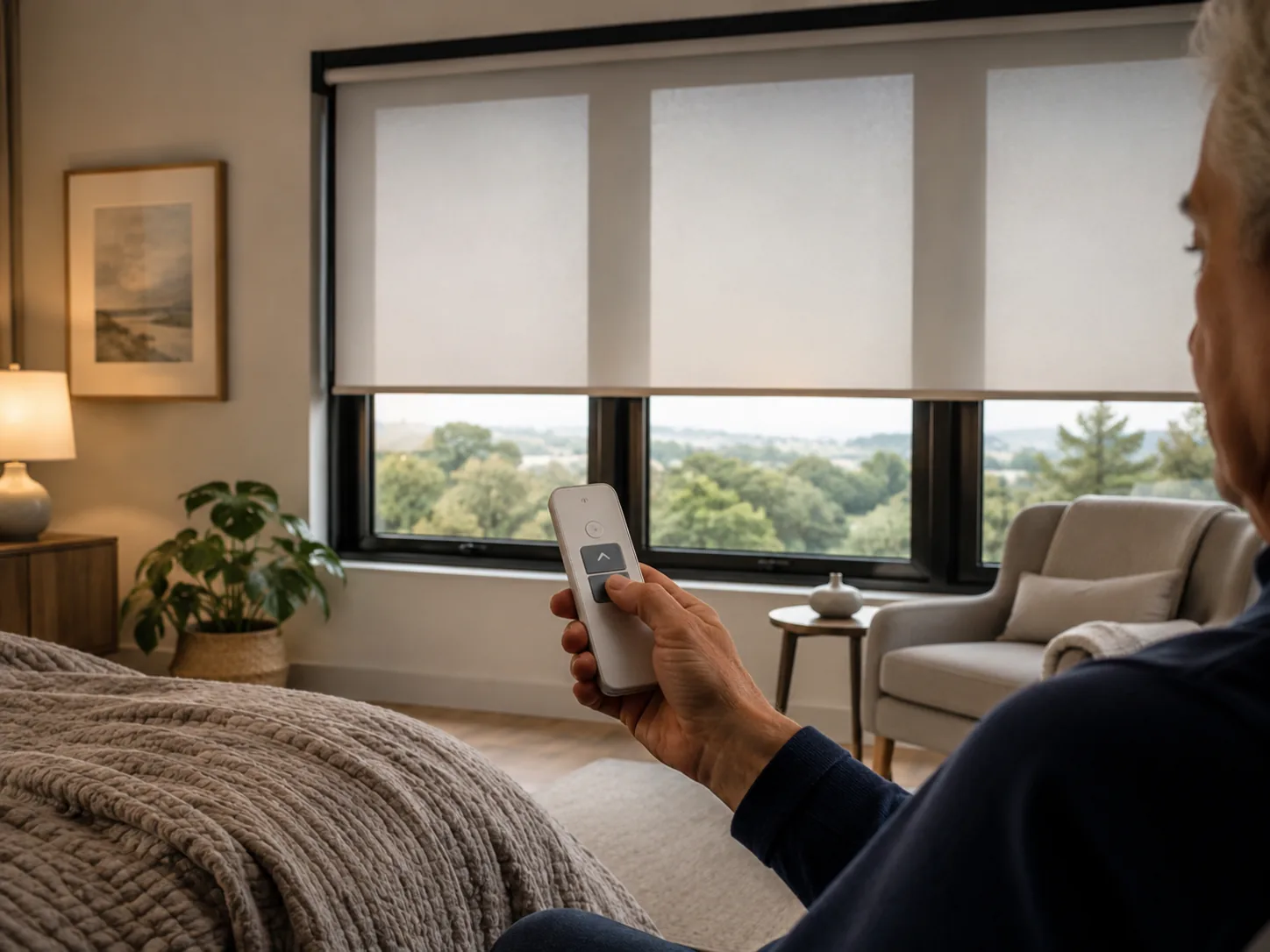
Practical Compatibility
Small details around the frames can determine whether a blind works properly, so practical compatibility should be checked before the final choice is confirmed.
Movement
Make sure the blind and its controls do not prevent opening windows from moving through their normal operating range.
Access
Frequently used doors should remain easy to open and close without repeatedly moving the blind out of the way.
Projection
Projecting handles can reduce usable fitting depth or interfere with the blind if they are not considered during measuring.
Hardware
Door locks, hinges and other hardware need enough clearance to work normally after fitting.
Ventilation
Opening vents should remain accessible and usable rather than being blocked by the blind or operating system.
Clearance
Several neighbouring Blinds need enough spacing to operate independently without controls, rails or fabric obstructing one another.
Made-to-Measure Checks
Professional measuring also gives us the opportunity to assess how the different openings work and which blind approaches are practical.
Inspect
Identify the windows, doors and upper-glazing areas, including which sections open, move or require particular access.
Measure
Measure the relevant openings and usable fitting space rather than relying on nominal or assumed window dimensions.
Discuss
Establish where privacy, glare control, stronger shading, easy operation or a particular visual finish matters most.
Confirm
Narrow the choices to blind systems that are appropriate for the actual glazing, available clearance and everyday use.
Specialist Roof Glazing
Some openings need their own guidance because the roof-window or lantern itself becomes the main compatibility decision.
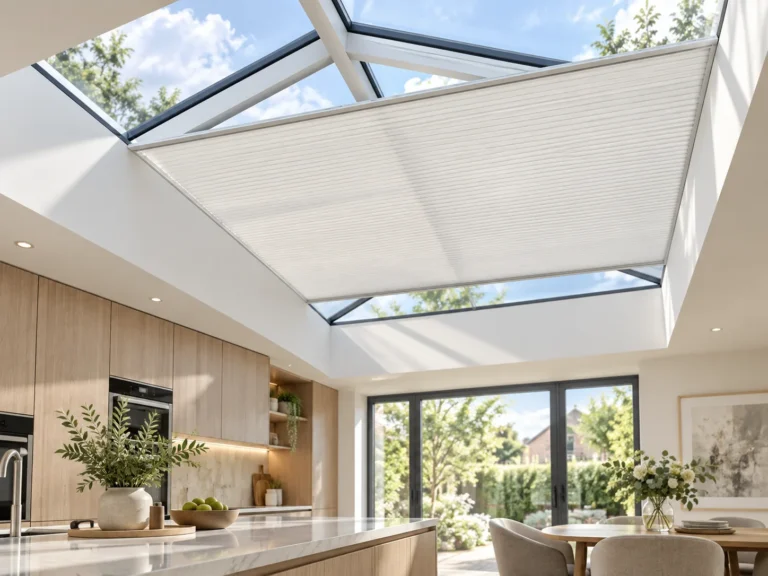
Raised Roof Opening
A raised glazed roof lantern normally needs to be considered around the lantern opening, size, access and suitable specialist shading rather than ordinary conservatory side-window guidance.
Explore Roof Lantern Blinds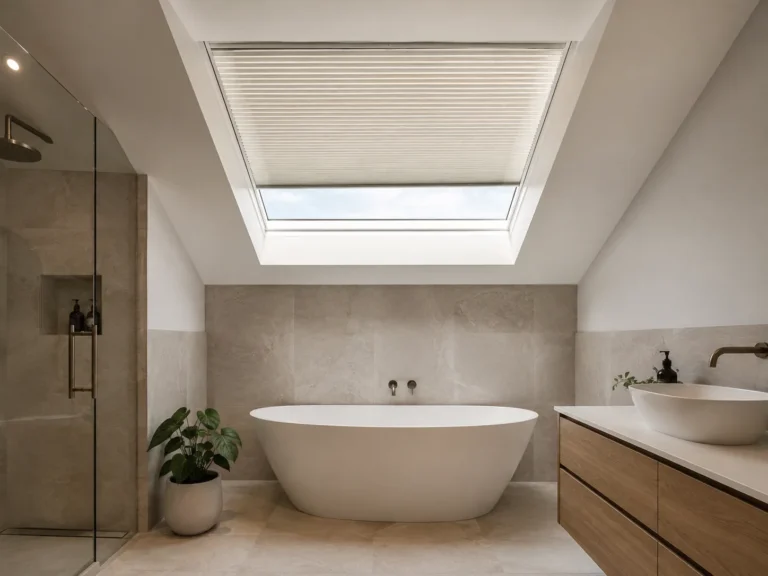
Generic Roof Glazing
Use the Skylight Blinds route for generic skylights, roof windows and rooflights where angle, access and compatible roof-window fitting are the main questions.
Explore Skylight Blinds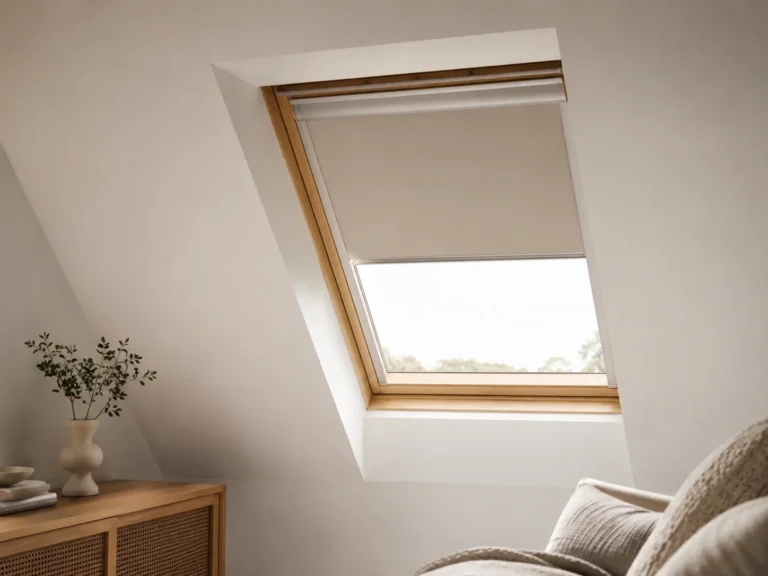
Brand-Specific Window
Use the VELUX route when the roof window is specifically VELUX and the blind needs to be matched to the correct brand-specific window and compatibility requirements.
Explore VELUX BlindsNeed Help Choosing?
Arrange a home appointment and we can look at the side windows, doors and difficult glazing together before recommending suitable made-to-measure options.
Conservatory Inspiration
See how different blind approaches can suit different parts of a conservatory without assuming the same treatment should be used on every glazed area.
Using separate Blinds across suitable side windows allows different parts of the conservatory to be adjusted according to privacy and daylight.
Suitable door Blinds should provide useful screening while allowing handles, locks and everyday movement to remain straightforward.
High glazing may need a different blind or operating method because reach can be just as important as the amount of daylight being controlled.
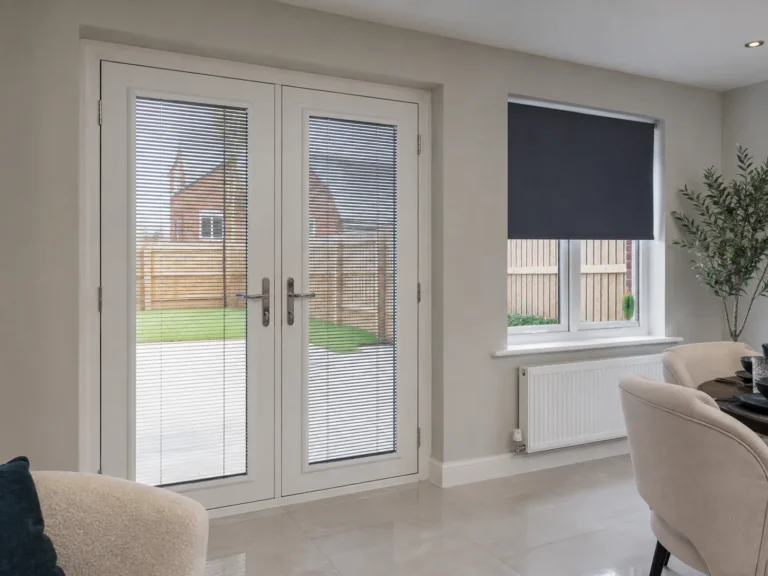
Different glazing positions can use different blind systems when their practical requirements are not the same.
Colour, tone and finish can create visual consistency even when different blind systems are used around the conservatory.
Areas We Cover
Explore the areas we cover for made-to-measure advice, measuring and fitting through Noble Blinds.
Explore More Blinds
Compare the main blind categories available from Noble Blinds when you need more detailed product guidance for another room, opening or style.
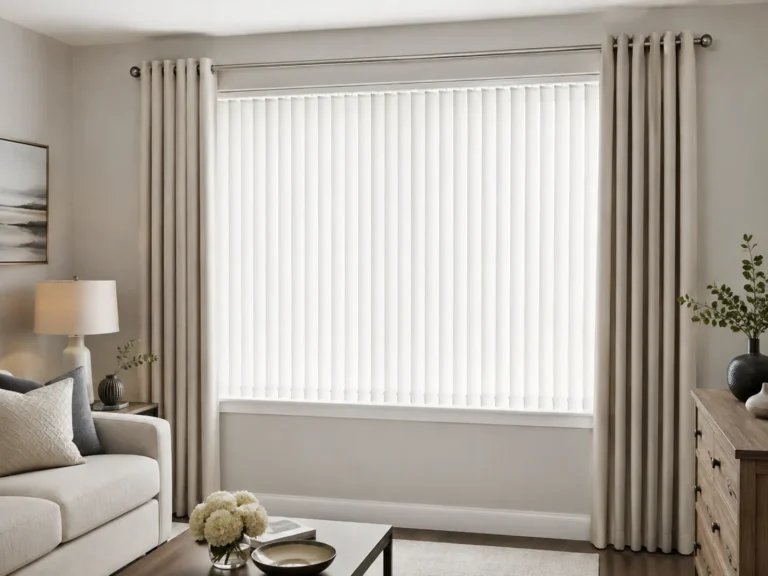
Adjustable Louvres
Adjustable louvres make Vertical Blinds a practical option for suitable wide windows and glazed doors where flexible light and privacy control matters.
Explore Vertical Blinds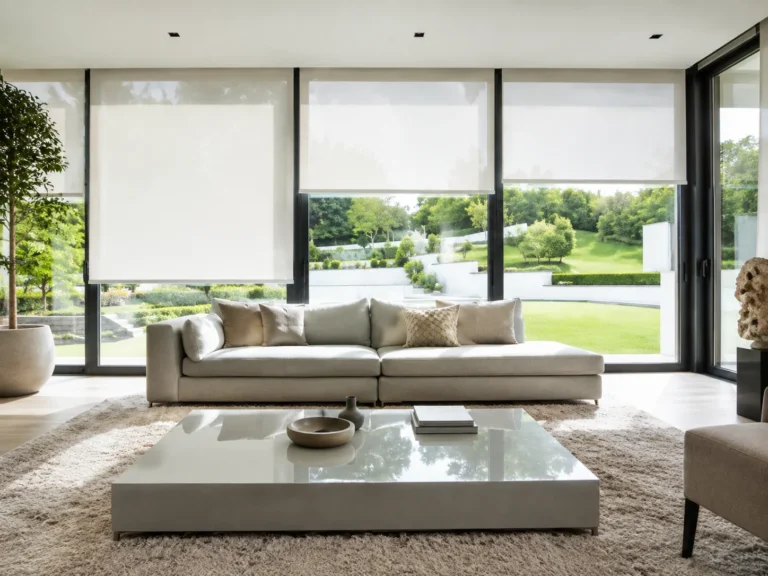
Simple Fabric Blind
A simple fabric blind with a clean finish and a broad range of practical light-control options for everyday windows and suitable doors.
Explore Roller Blinds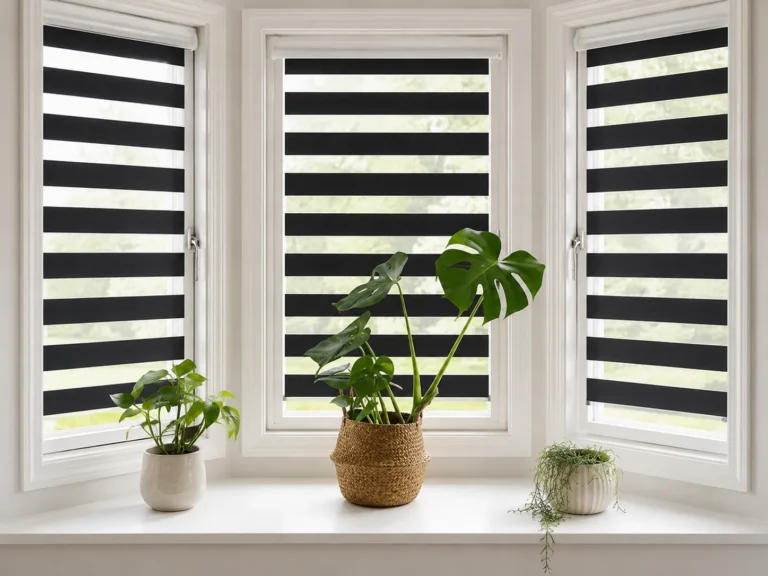
Layered Light Control
Alternating sheer and opaque fabric bands give flexible control over daylight and privacy from one layered blind.
Explore Vision Blinds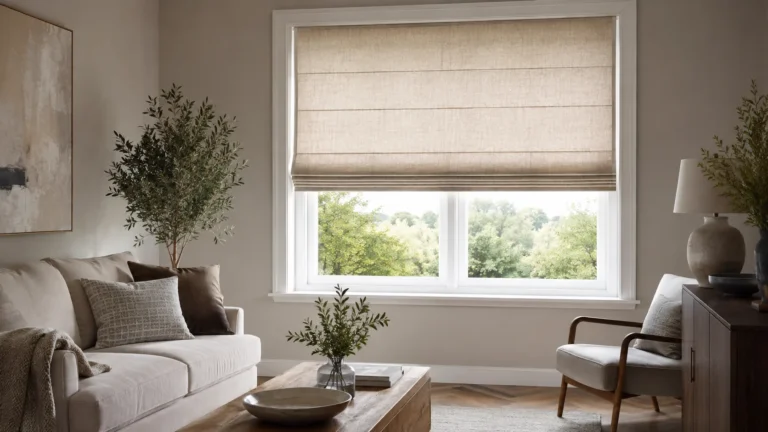
Soft Fabric Finish
A softer fabric option that folds into horizontal sections when raised, suited to rooms where decorative appearance matters.
Explore Roman Blinds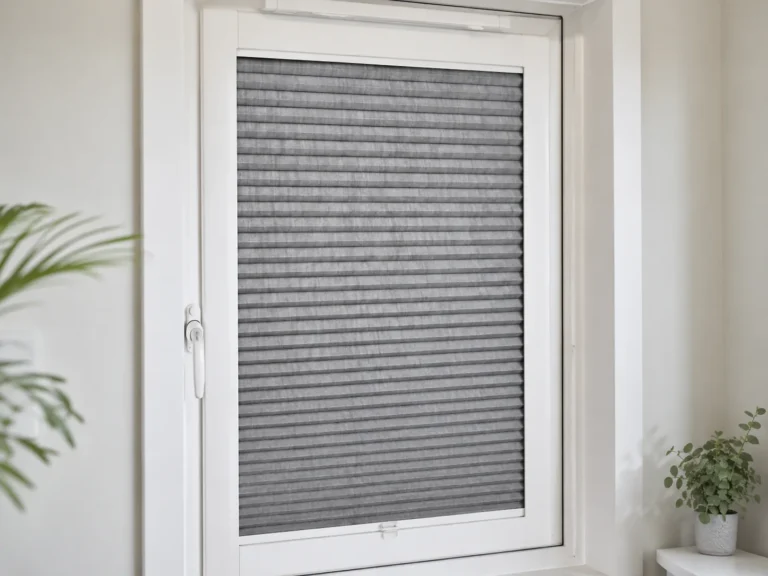
Frame Mounted
A frame-mounted no-drill approach for compatible windows and doors, with the blind moving with the opening.
Explore Perfect Fit BlindsRoof Window
Brand-specific blind options for compatible VELUX roof windows, with suitability based on the actual roof-window requirement.
Explore VELUX Blinds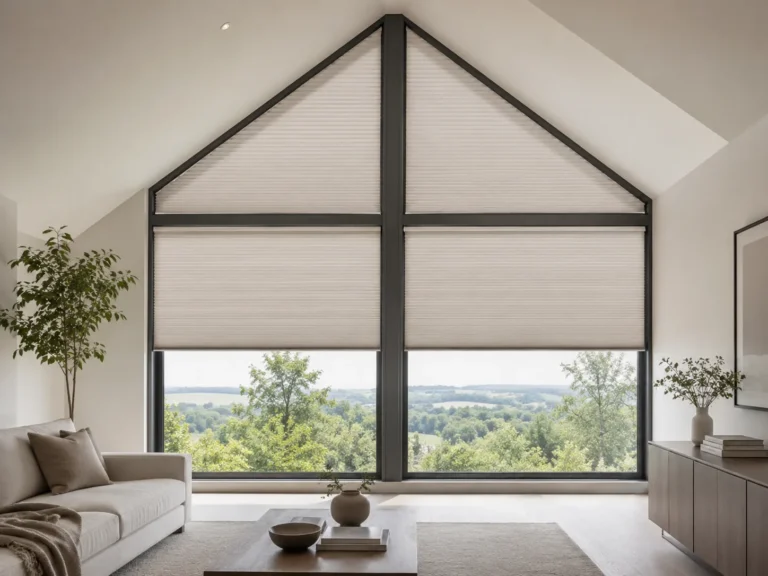
Compact Fabric
Compact fabric Blinds that can suit standard windows and selected specialist applications, including compatible Perfect Fit systems.
Explore Pleated Blinds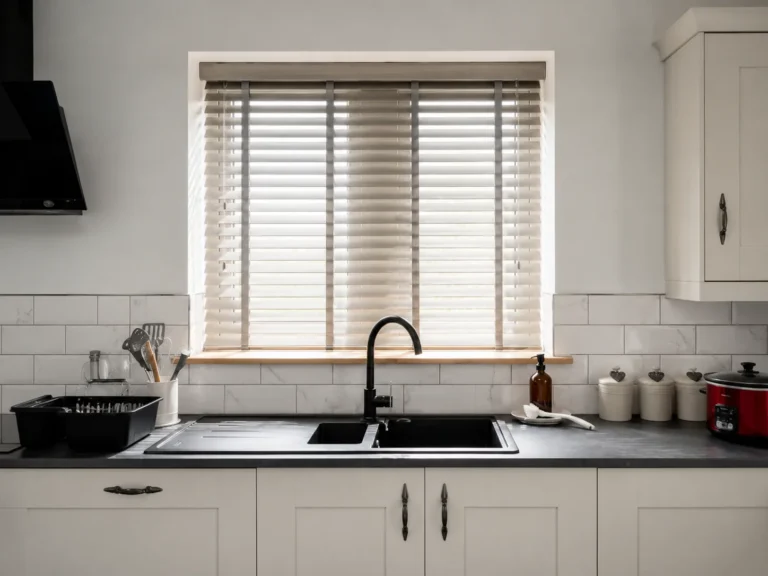
Adjustable Slats
Adjustable horizontal slats provide flexible directional control over daylight and privacy with a structured appearance.
Explore Venetian BlindsMixed Glazing
Plan different windows, doors and suitable upper glazing together to create a coordinated conservatory blind solution.
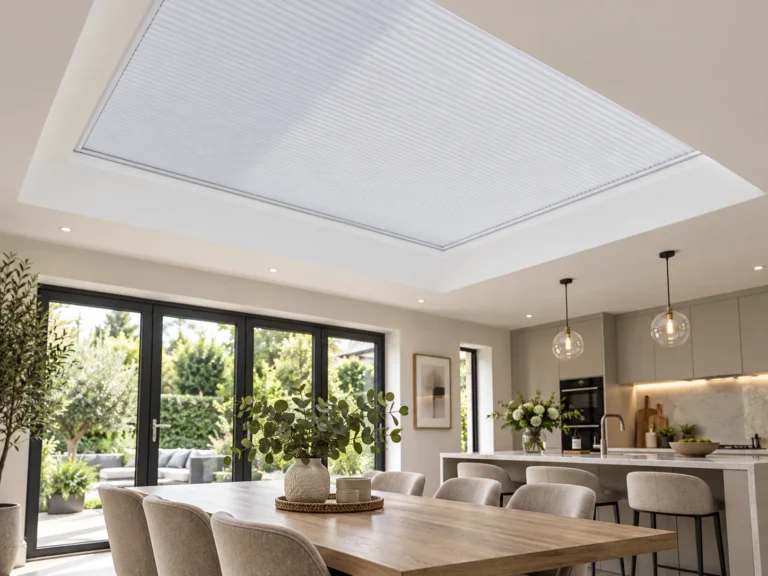
Overhead Glazing
Specialist shading options for suitable roof-lantern openings where overhead light, access and opening dimensions are key considerations.
Explore Roof Lantern Blinds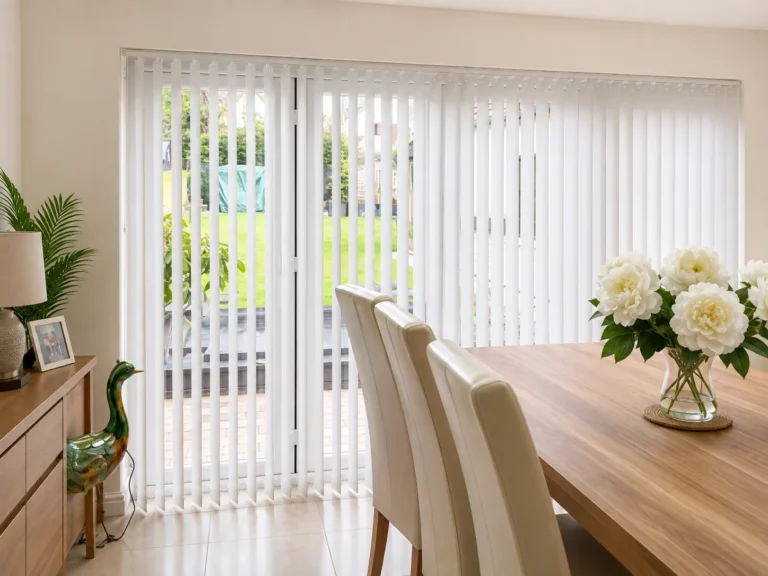
Glazed Openings
Guidance for choosing Blinds around glazed doors where movement, handles, locks and frequent access affect the decision.
Explore Door Blinds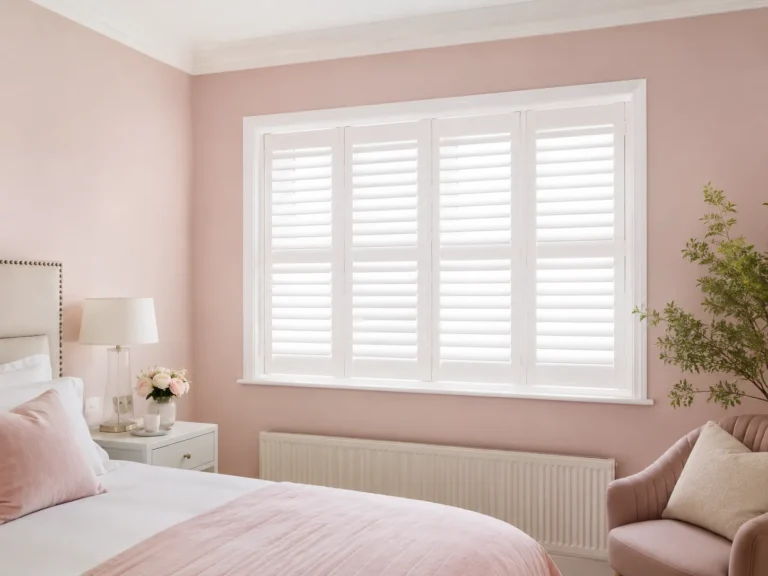
Fitted Panels
A fitted window covering with adjustable louvres and different panel configurations for suitable windows and openings.
Explore Window ShuttersDoor-Specific Guidance
Different door systems move in different ways, so use the relevant door guide when the opening itself becomes the main blind-selection problem.
Folding panels and the way they stack mean the blind must work around hinges, panel movement and the space required when the doors fold back.
Explore Bi-Fold Door BlindsPaired doors need blind choices that keep handles, locks and independent door movement practical during everyday use.
Explore French Door BlindsSliding and wide glazed patio doors need consideration around door movement, blind stack position, access and the width of the opening.
Explore Patio Door BlindsSpecialist Blind Guides
These guides focus on particular window shapes, light-control requirements, operating methods or styles when one of those needs becomes the main buying decision.
Compare blind approaches for multi-sided bay windows where angles, individual sections and the overall finished appearance need to work together.
Explore blind options where stronger light reduction is the priority and understand realistic expectations around blackout materials and edge light.
Find powered blind options for compatible systems where easier operation, difficult access or regular adjustment makes motorisation useful.
Guidance for generic skylights, roof windows and rooflights where compatible fitting, angle and access shape the blind choice.
Alternating fabric bands provide adjustable privacy and daylight control with a distinctive layered appearance.
Explore real wood and faux wood options where adjustable slats and a warm, structured finish suit the room and window.
How It Works
You do not need to arrive with measurements or a final product choice. The home-appointment process puts the practical checks before the final specification.
Tell us about the conservatory and the areas you would like help with, then arrange your home appointment.
We measure the relevant openings and discuss privacy, daylight, access and the way you use the conservatory.
Suitable options are narrowed down and your agreed made-to-measure requirements are used to prepare a quotation.
Your chosen Blinds are supplied and professionally fitted, with the finished installation and operation checked on completion.
Customer Reviews
Read genuine Google feedback about Noble Blinds service, advice, communication, measuring, professional fitting and the finished result.
Very nice and professional, paying attention to details and your wishes and make sure that everything is how would you like to be, high quality too. Highly recommended 💯
Great customer service quote and fitting are quick I’m really happy with my blinds they look stunning! Thank you again TikTok friend
Excellent service from start to finish. Good quality blinds friendly and efficient chap who knows his stuff. Fitted all mine today in no time. Would definitely recommend Luxury Blinds
Great service and amazing quality blinds all fitted very professionally plus very quick service. Thank you
Fast and efficient service, blinds look great and made room look new.
The person was great and love the blinds .thanks
Great service, fantastic job, great quality! Patient and understanding and I'm definitely recommending to family and friends. Thank you again!
Job well done and very friendly service, highly recommend this company
Great service, fantastic job. I’m very happy with the service definitely I’m gonna recommend my family and friends thank you.
Professional service provided and amazing quality blinds, would highly recommend. Thank you.
Noble Blinds Service
Get practical help from the first home appointment through measuring, quotation and professional fitting, with the service built around your actual windows and requirements.
Discuss the conservatory, your priorities and suitable next steps at your property before committing to a blind specification.
Have the relevant windows and doors professionally measured so the recommendation is based on the actual openings.
Receive a quotation based on the agreed made-to-measure requirements after the relevant options have been discussed.
Your selected Blinds are specified around the measured openings rather than supplied as generic standard-size products.
The agreed Blinds are professionally fitted so the installation, operation and everyday use can be checked properly.
Contact Noble Blinds after fitting if you need help with the supplied product or installation.
Helpful Guidance
Practical answers to detailed questions about combining different glazing zones, light-control levels, doors, motorisation and made-to-measure fitting.
Not necessarily. Different parts of a conservatory can have very different requirements. Side windows may need adjustable privacy, doors need to remain easy to use, while roof or upper glazing may need stronger glare control or a different operating method. A mixed approach can therefore be more practical than forcing one blind type across every glazed area.
Different zones are worth treating separately when they receive noticeably different amounts of daylight or serve different purposes. For example, one elevation may receive strong direct sun while another mainly needs privacy. Roof glazing can also behave differently from vertical windows. Conservatory Blinds can therefore be planned by zone, with lighter filtering in some areas and stronger dimout or blackout options where appropriate.
The blind needs to work with the way the door opens and is used throughout the day. Handles, hinges, clearance and the path of the door all matter. On compatible doors, a frame-mounted option may move with the door, while other situations may suit a blind positioned around the opening. Everyday access should be considered before appearance alone.
Motorisation can be useful where roof or upper glazing is difficult to reach, where Blinds are likely to be adjusted several times during the day, or where operating several high-level Blinds manually would be inconvenient. It should only be specified where the chosen blind system supports motorised operation and the opening is suitable.
The aim does not have to be complete screening all day. Adjustable or light-filtering Conservatory Blinds can reduce overlooking while still allowing useful daylight into the room. The best approach depends on which sides need privacy, the direction of the view and whether privacy is mainly required during the day, evening or both.
Blackout material can provide much stronger light reduction through the blind itself, but it should not automatically be taken to mean total room darkness. Light may still enter around edges, frames, doors or other untreated glazing. This becomes especially important in a conservatory with several different glazing zones, so realistic blackout expectations should be considered for the room as a whole.
They can determine where a blind can be positioned and how much usable clearance is available. Handles and locks need to remain accessible, opening windows must still move correctly and vents should not be obstructed. Made-to-measure Conservatory Blinds allow these practical details to be checked before the final blind and fitting position are agreed.
Each section needs to be considered as part of the wider group rather than measured in isolation. The fitting position, neighbouring blind edges, handles, opening sections and normal movement of the windows or doors all need to work together. In some conservatories it can also make sense to treat individual glazing panels separately so that one area can be adjusted without affecting the others.
Use the specialist route when the opening itself is the main requirement. A raised glazed roof lantern is better considered under Roof Lantern Blinds, while a generic roof window or rooflight belongs under Skylight Blinds. If the opening is specifically a VELUX roof window, the VELUX route is more appropriate because compatibility with that roof-window system becomes important. Conservatory Blinds remain the broader choice when planning the conservatory and its different glazing areas together.
Yes. The Blinds do not have to use exactly the same mechanism to feel visually connected. Side windows, doors and roof glazing can use different suitable blind types while coordinating the overall colour, tone and general finish. This allows each part of the conservatory to solve its own practical problem without making the finished room look unnecessarily mixed.
Home Appointment
Arrange a home appointment for practical advice, professional measuring and a quotation based on your conservatory and the way you want to use it.