
Window or Opening Type
Size, shape and movement matter. A standard window, bay, door or roof-level opening can quickly narrow the systems that are practical.
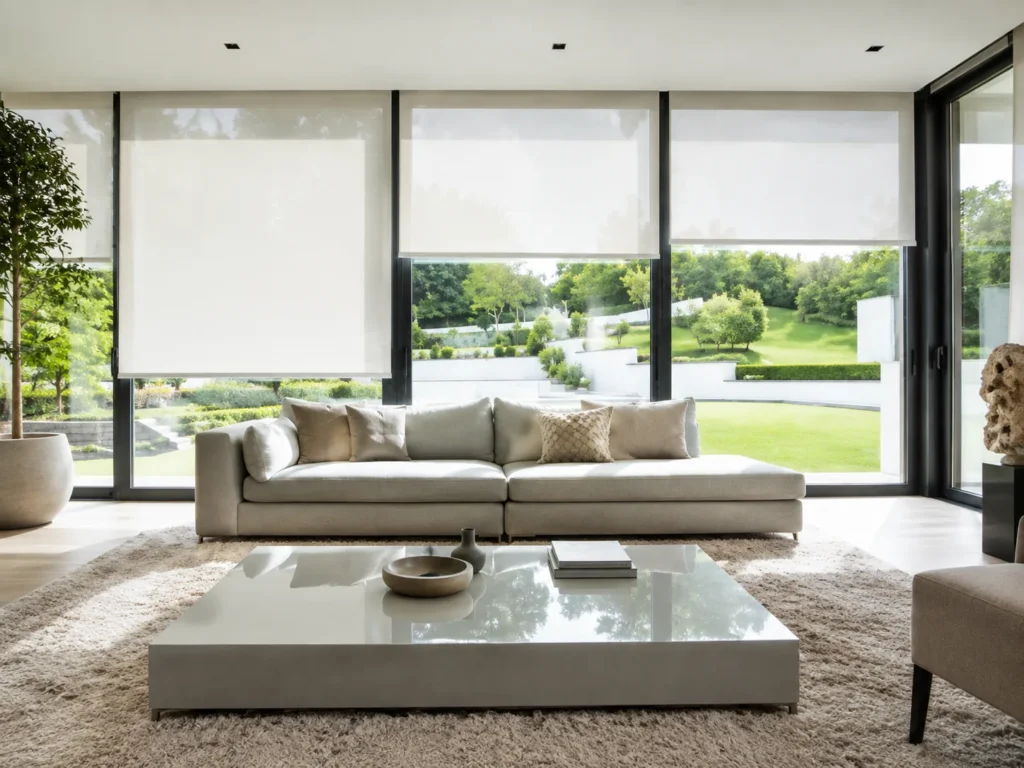
Looking for made-to-measure blinds in Queensbury? Noble Blinds provides home appointments, practical guidance, accurate measuring and professional fitting across a wide choice of blinds for windows, doors and specialist glazing. Whether you already know the style you want or need help comparing the options, we can help you find a solution that suits the opening, the room and the way you want to control privacy and daylight.
A Customer-Site Service
Made-to-measure blinds are planned around the actual window, door or glazed opening rather than relying on a standard size.
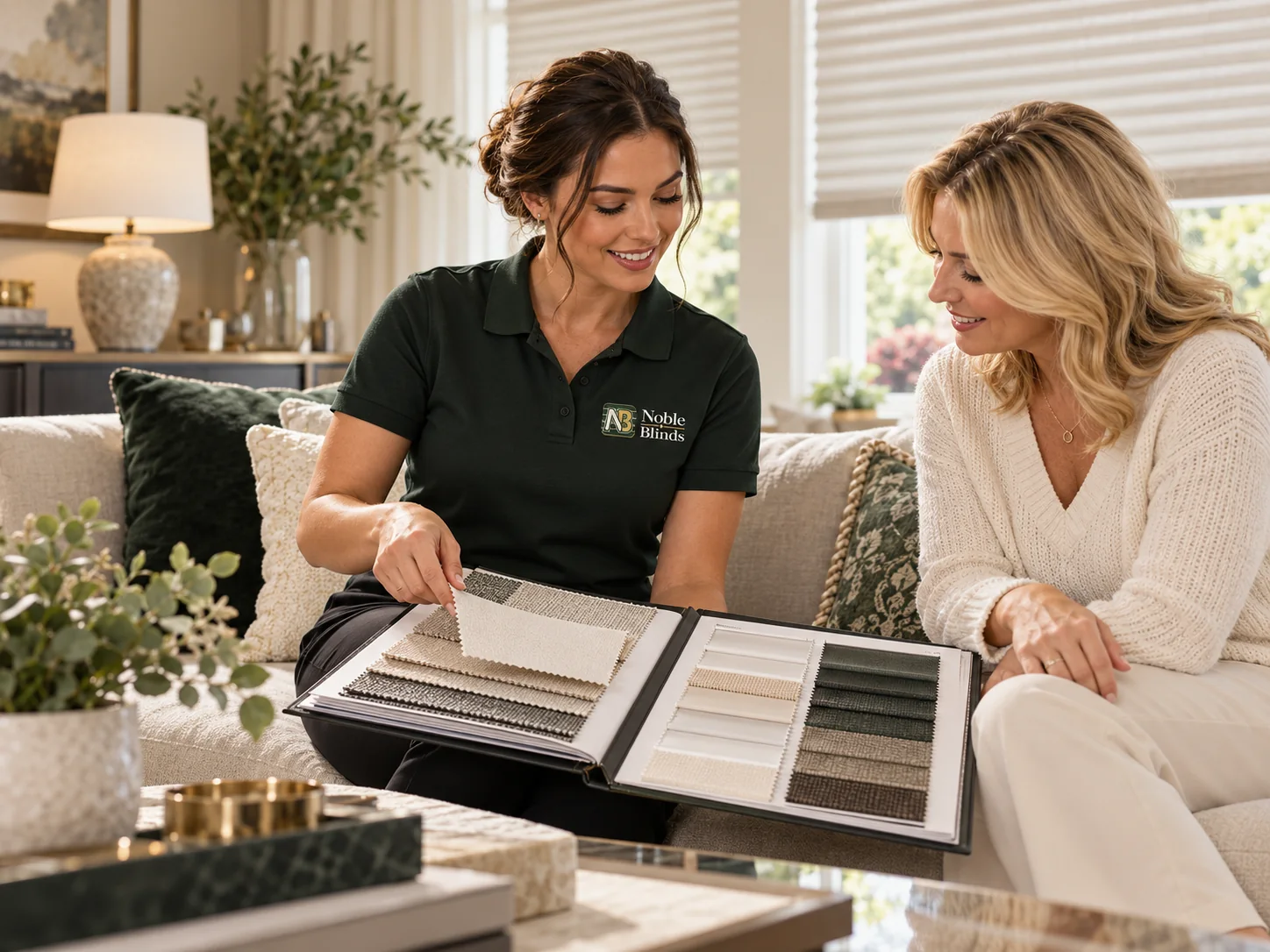
During a home appointment, the opening can be measured and the practical requirements discussed before you choose your blinds. That means details such as recess depth, handles, opening movement, privacy, daylight and everyday operation can all be considered before the final specification is agreed. For homeowners comparing Queensbury blinds, this provides a straightforward way to narrow down the options without needing to decide everything before the appointment.
Professional measuring checks the dimensions and usable fitting space before the blind is ordered, rather than relying on rough sizes.
Privacy, glare, light reduction, access and appearance can be discussed together rather than choosing a blind from looks alone.
Once your blinds are ready, professional fitting helps ensure they are positioned and operating as intended.
Before You Compare Styles
Begin with fit and function. Window type, privacy, room conditions and operation usually tell you more about suitability than colour or fabric alone.
Size, shape and movement matter. A standard window, bay, door or roof-level opening can quickly narrow the systems that are practical.
Privacy and light control are not the same requirement. Decide whether you need view-through, glare management, filtered daylight or greater screening.
Consider the conditions around the window as well as the room itself, including moisture, sunlight, cleaning and how frequently the opening is used.
The operating method should suit the height, size and frequency of use of the blind, with motorisation considered only where the chosen system supports it.
Compare the Range
Different openings call for different blind systems. Review the principal styles below, then follow the most relevant route for deeper product-specific guidance.
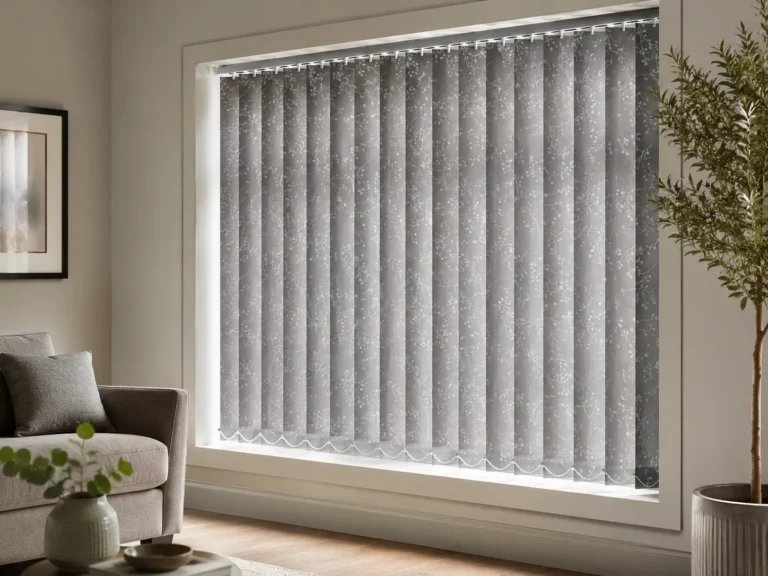
A practical choice for wide windows and glazed doors, with rotating louvres that provide adjustable privacy and light control while stacking neatly to one side.
See Vertical Blinds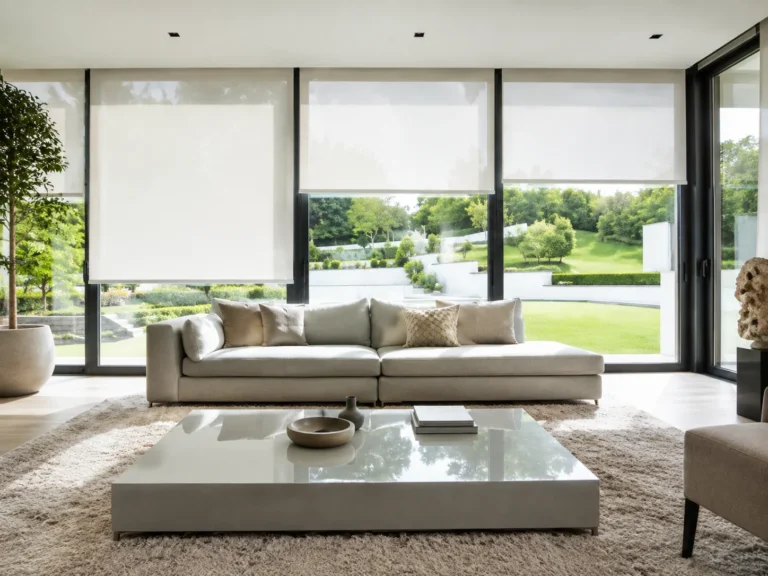
Simple, versatile blinds with a clean fabric finish. Roller Blinds can suit many everyday windows and are available with different fabric and operating choices.
See Roller Blinds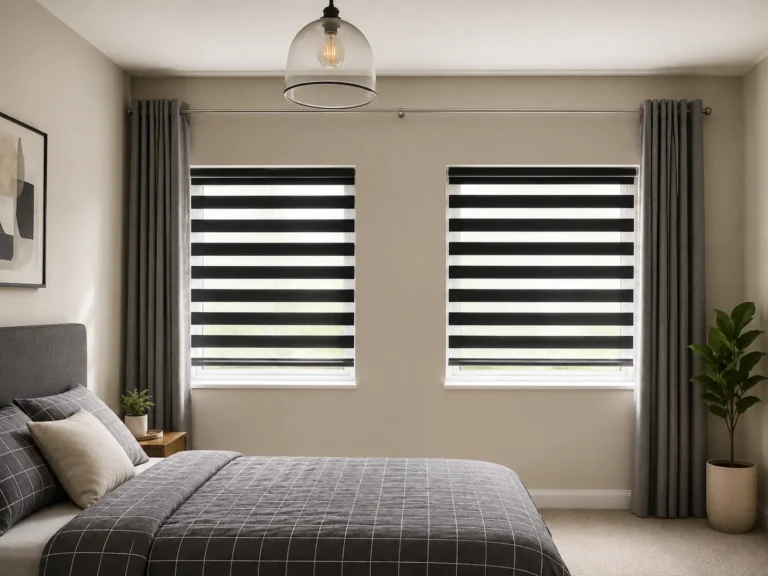
Alternating fabric bands allow the blind to move between lighter and more private positions, providing flexible control without relying only on fully open or fully closed settings.
See Vision Blinds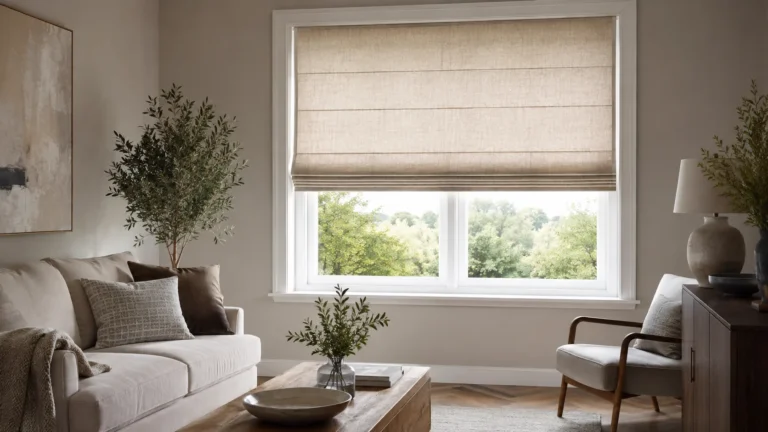
A fabric blind that folds into soft horizontal sections when raised. Roman Blinds work particularly well where a more decorative textile finish suits the room.
See Roman Blinds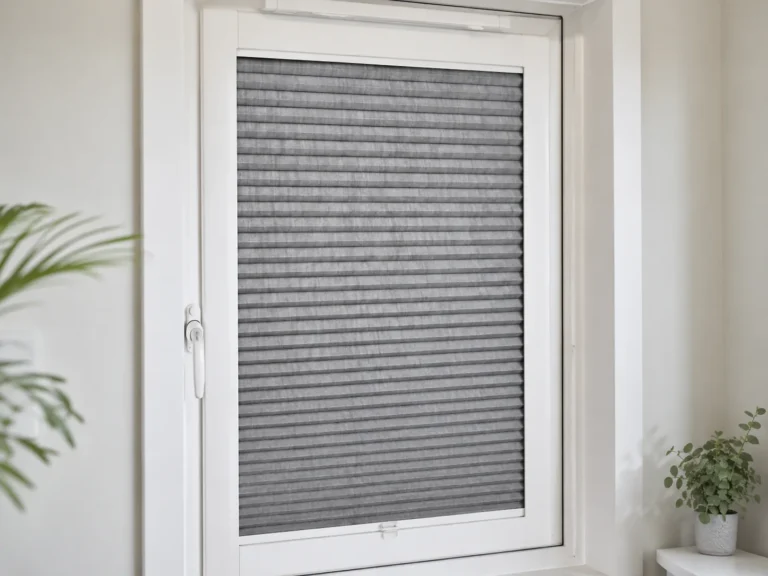
A frame-mounted option for compatible windows and glazed doors. The blind sits close to the glazing and can be useful where a neat, integrated appearance is preferred.
See Perfect Fit Blinds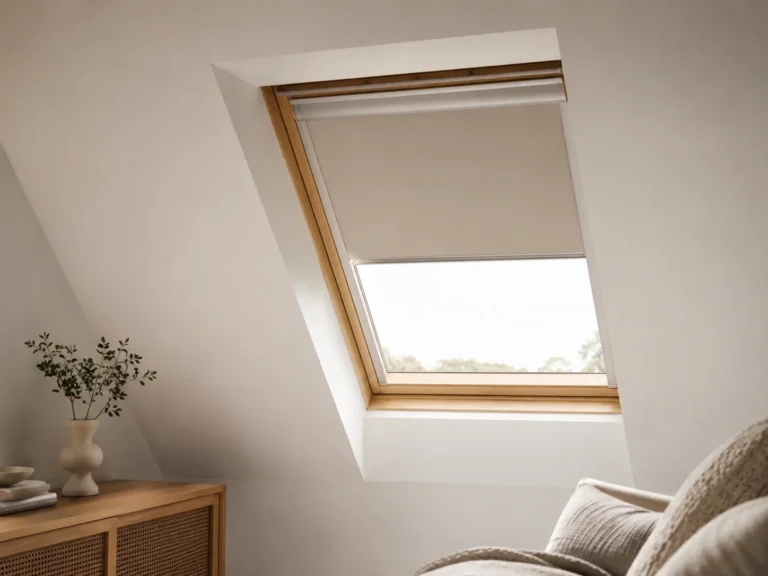
Designed for compatible VELUX roof windows, with options that can help manage daylight, glare and stronger light reduction depending on the selected blind.
See VELUX Blinds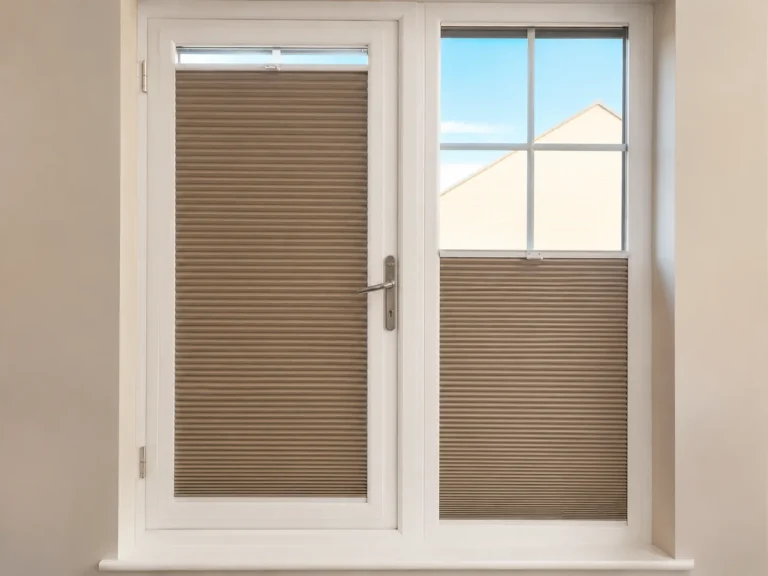
Compact folded fabric makes Pleated Blinds useful for many windows, doors and more specialist applications where a lightweight, neat solution is required.
See Pleated Blinds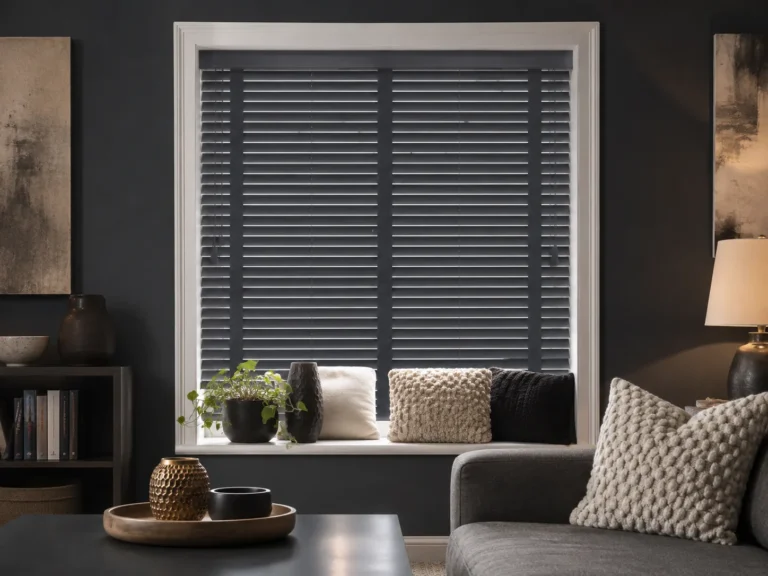
Horizontal slats tilt to give precise control over privacy, daylight and outward views, making Venetian Blinds a flexible everyday option.
See Venetian Blinds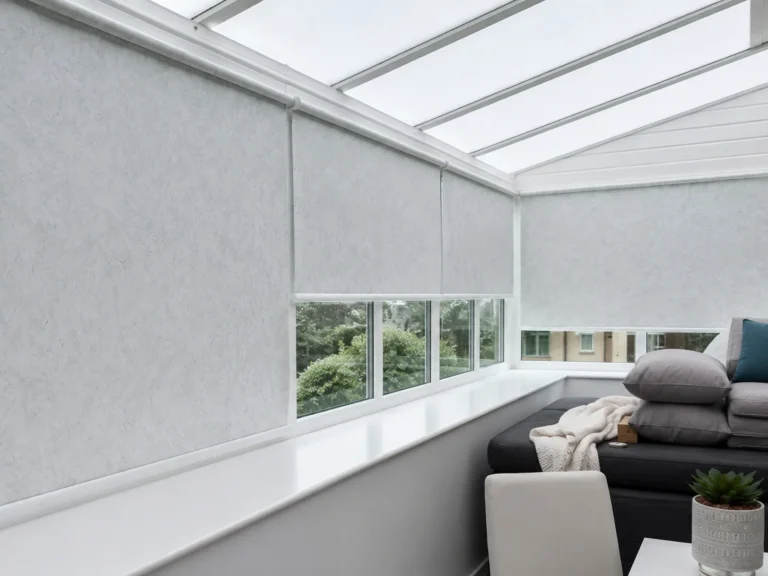
Blinds for conservatories need to work with larger areas of glazing while supporting useful control of daylight, glare and privacy across the space.
See Conservatory Blinds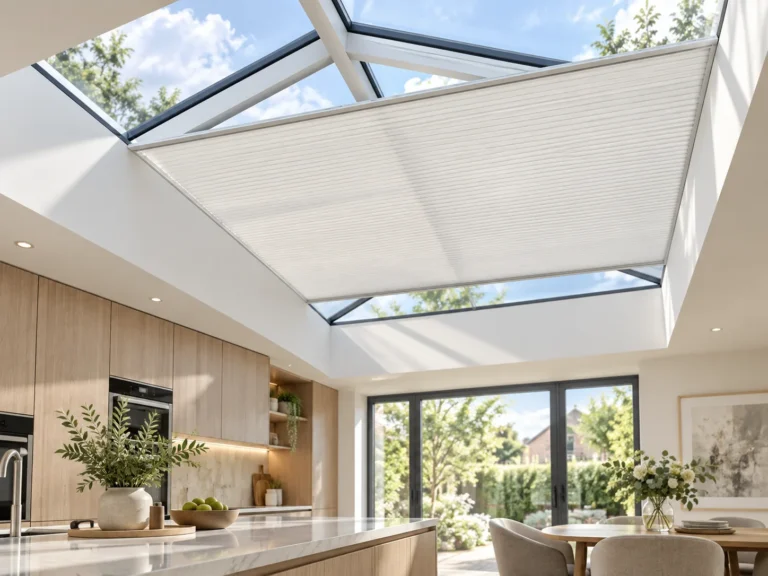
Specialist solutions for overhead glazing can make roof lanterns easier to manage where direct sunlight, glare or difficult access needs to be considered.
See Roof Lantern Blinds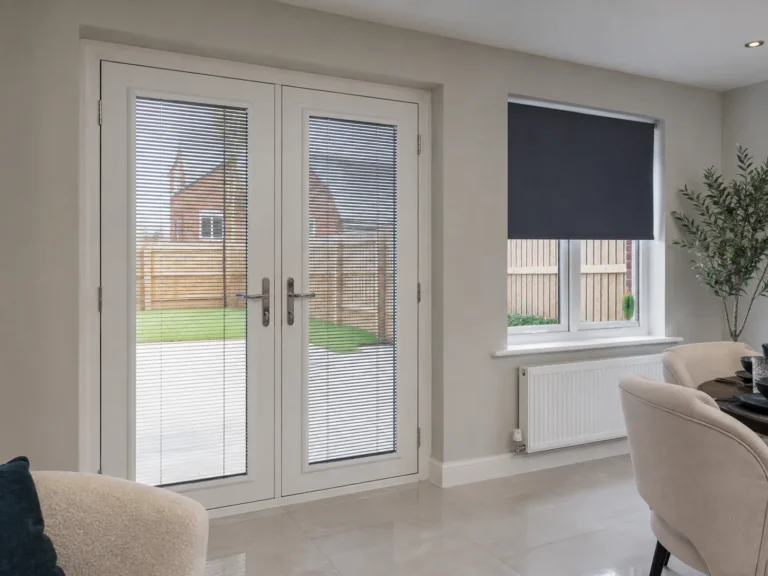
Blinds for glazed doors need to take account of handles, opening movement, access and the way the door is used throughout the day.
See Door Blinds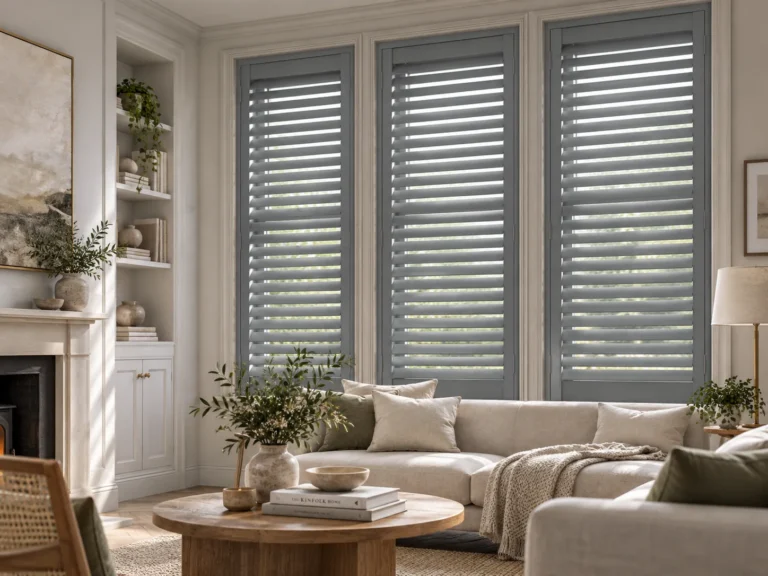
Framed louvred panels provide adjustable privacy and light control with a more architectural appearance around compatible windows.
See Window ShuttersSpecialist Blind Routes
When the opening, light requirement or control method is the main issue, a specialist route can be more useful than starting with a general blind category.
Bay windows need careful planning around angles, recess depth, corners and neighbouring blinds so each section can operate properly.
See Bay Window BlindsWhere stronger light reduction matters, compare suitable blackout fabrics and fitting methods while remembering that edge gaps can influence how dark the room feels.
See Blackout BlindsCompatible motorised systems can make blinds easier to operate on large, high or difficult-to-reach windows and may support grouped control depending on the selected system.
See Motorised BlindsRoof and skylight glazing needs blinds designed around the angle, window type and practical access requirements of the opening.
See Skylight BlindsLayered fabric bands provide flexible positions for managing daylight and privacy throughout the day.
See Day & Night BlindsAdjustable slats combine practical light control with the distinctive appearance of a timber-style blind.
See Wooden BlindsPlan Around Door Movement
A blind on a glazed door must work with the door rather than simply cover the glass. Handles, hinges, panel movement and everyday access all influence the most practical choice.
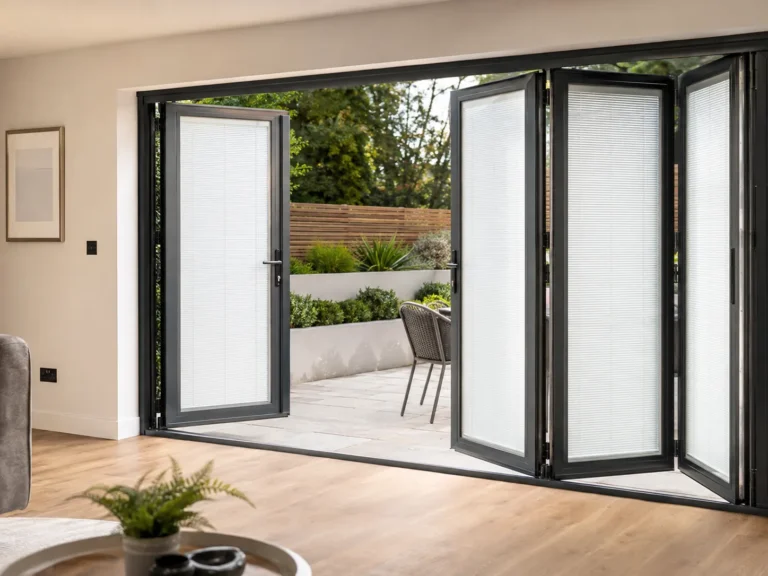
Bi-fold doors need careful consideration of panel movement, handles, hinges and the space available when the doors fold back. Separate blinds may be possible across individual panels where the selected system and door are compatible.
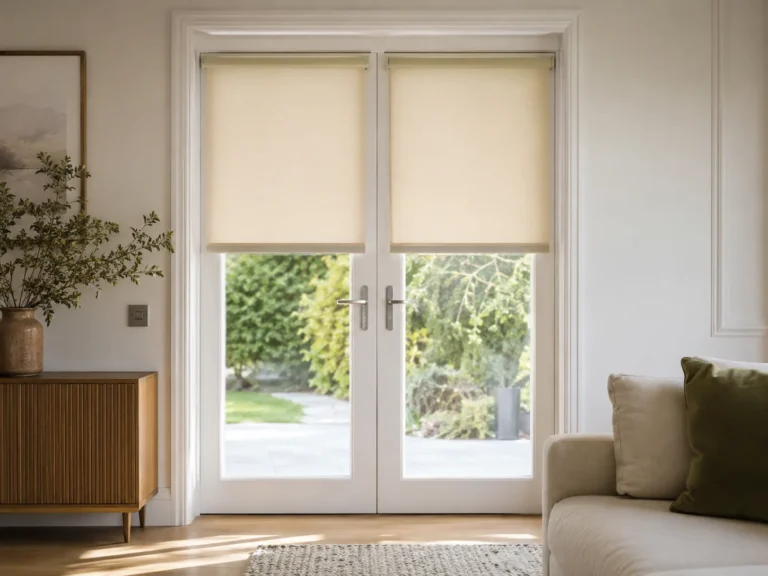
French doors often benefit from blinds planned around each glazed panel, with particular attention paid to handles, locks and the movement of both doors.
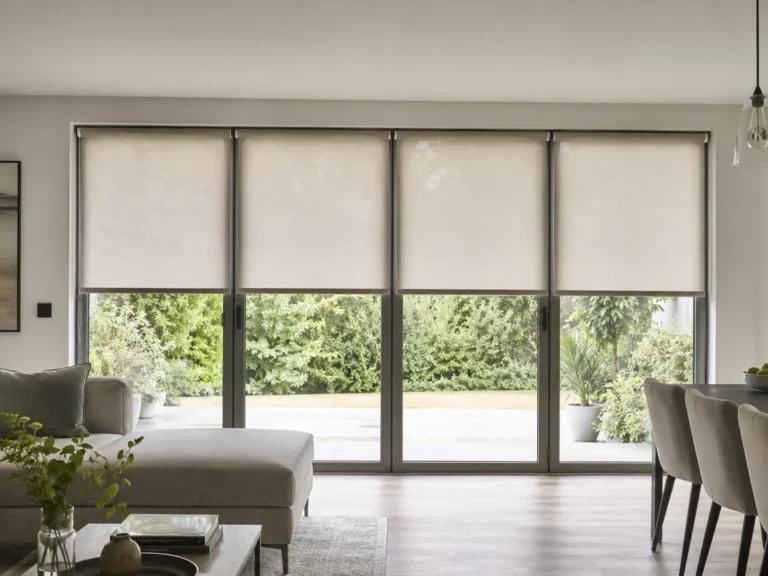
Large sliding or glazed patio doors need blinds that provide useful coverage while preserving practical access through the opening.
Different Rooms, Different Needs
Room use changes what matters at the window. A bedroom, kitchen and home office may all need different balances of privacy, daylight, cleaning and control.
Living rooms often need a comfortable balance of daylight, privacy and appearance. Adjustable blinds can be useful where conditions change between daytime and evening.
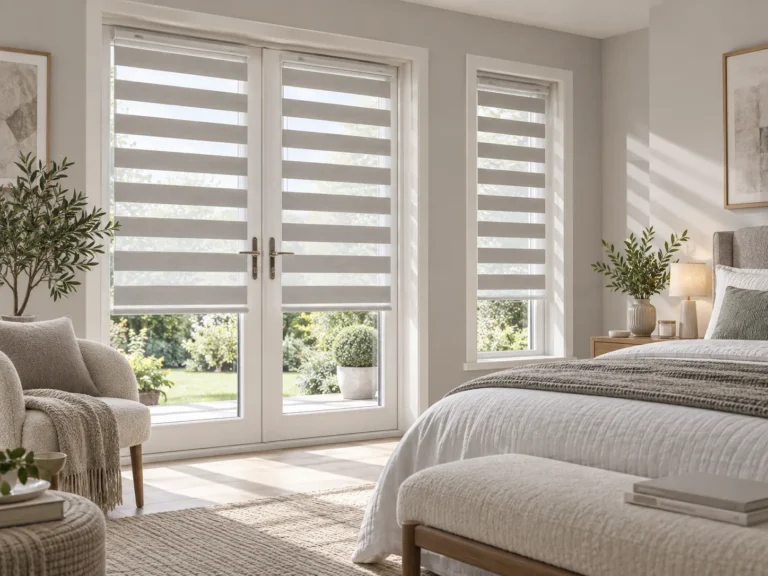
Think about privacy and how much light reduction you want for sleeping. Blackout materials can reduce incoming light strongly, although fitting gaps also affect the final result.
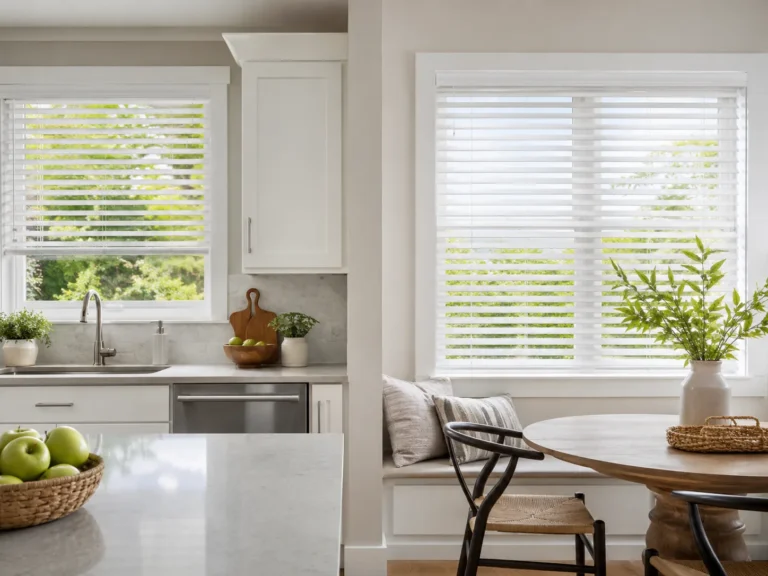
Easy everyday operation and practical materials are important around frequently used kitchen windows. The blind should also be positioned sensibly around handles, worktops and nearby activity.
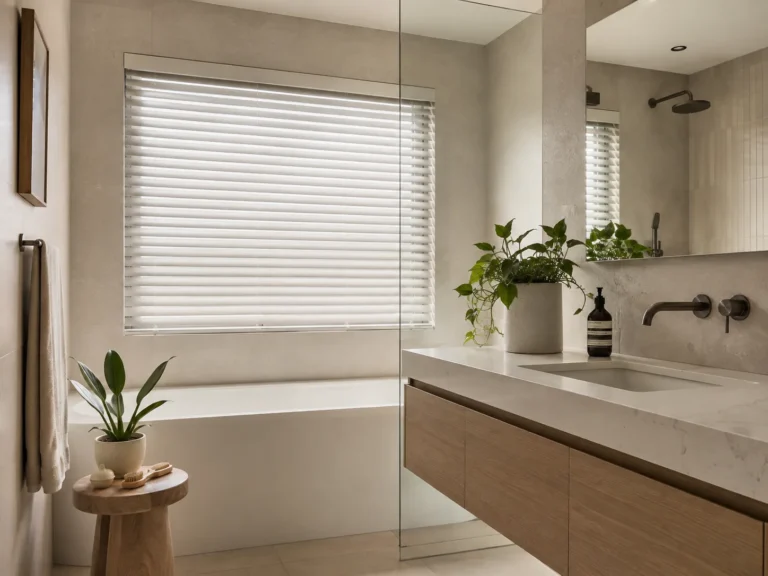
Where moisture is a consideration, choose a blind and material that are suitable for the particular environment rather than assuming every fabric or finish is appropriate.
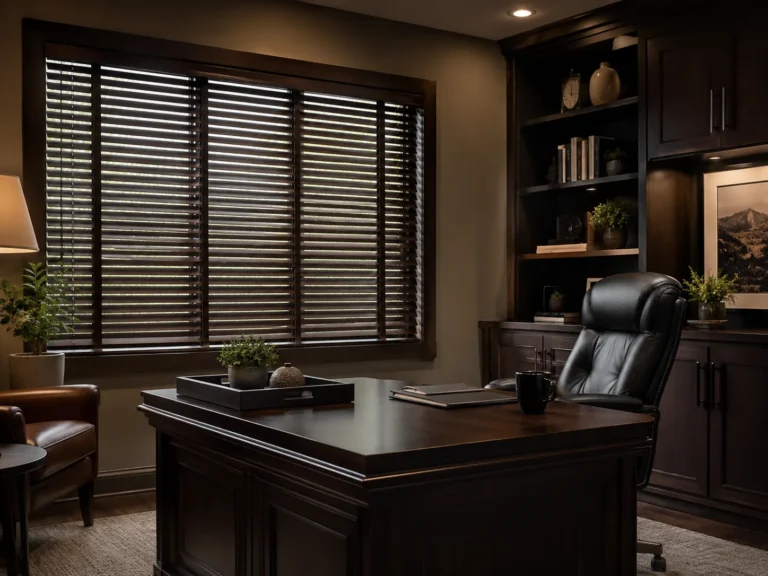
Screen glare, daylight and privacy often need to work together. Adjustable slats or layered fabrics can provide more flexibility than simply covering the window completely.
Before You Choose
A few practical decisions can quickly reduce a large range of blinds to the options that make sense for your home.
01 · Privacy & Daylight
Think about when privacy matters most and whether you want clear daylight, filtered light, glare reduction or stronger screening.
02 · Opening Type
The size, shape and movement of the window or door influence which blinds can fit and operate comfortably.
03 · Room Conditions
Consider moisture, heat, everyday use and how the room needs to feel at different times of day.
04 · Operation & Convenience
Decide how often the blind will be adjusted, whether controls are easy to reach and whether motorisation is worth considering where compatible.
Start With the Opening
You do not need to know the exact product before contacting Noble Blinds. Tell us about the opening and what you want to improve, and suitable options for your Queensbury property can be narrowed from there.
A customer-site appointment gives the opening proper context. Measurements, handles, clearances, room use and suitable product routes can be discussed before a quotation is prepared.
Discuss the windows, doors and priorities at the property where the blinds will actually be used.
Relevant dimensions, clearances and opening details can be checked before the final specification is agreed.
Once the preferred blind and measured requirement are understood, a quotation can be prepared for the proposed solution.
Your made-to-measure blinds are supplied and professionally fitted once they are ready.
Tell us which windows, doors or rooms you would like help with and arrange a suitable home appointment.
Start With the Window or Door Type
A blind that suits one opening may be awkward on another. Compare common window and door types below and consider how the selected system will fit and move.
Most everyday windows offer several possible blind styles, so the decision can focus more closely on privacy, daylight, appearance and operation.
Larger widths need careful consideration of blind weight, support, operating method and whether one blind or several coordinated blinds would be more practical.
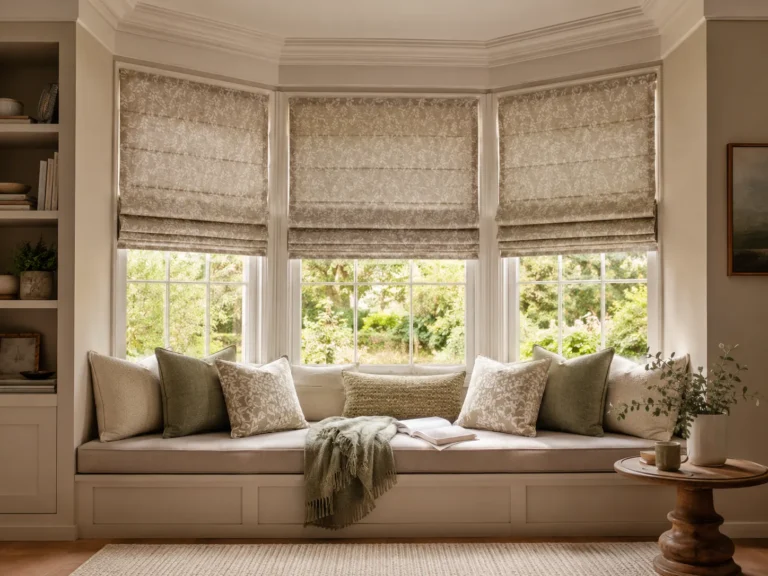
Angles, corners and neighbouring blind positions need to be measured carefully so individual blinds can operate without clashing.
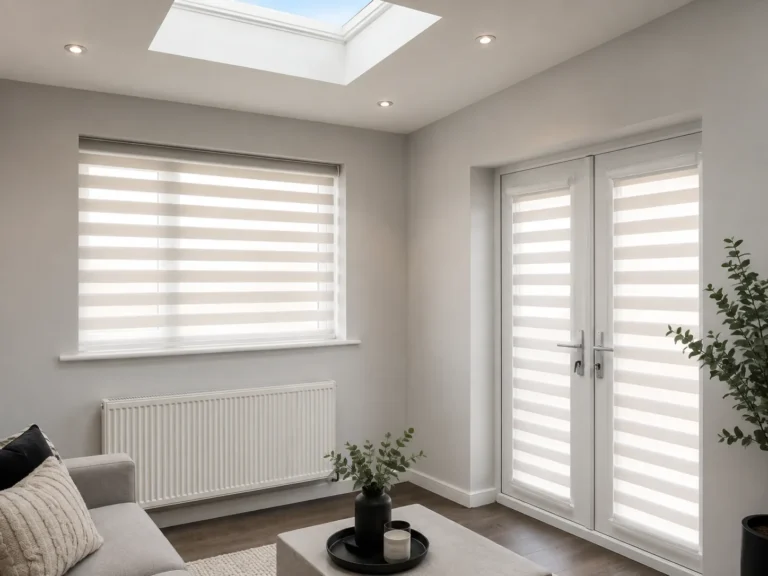
Handles, hinges, opening movement and daily access should be checked before the blind and fitting position are chosen.
Angled roof glazing needs compatible systems that remain controlled against the window rather than hanging like a conventional vertical window blind.
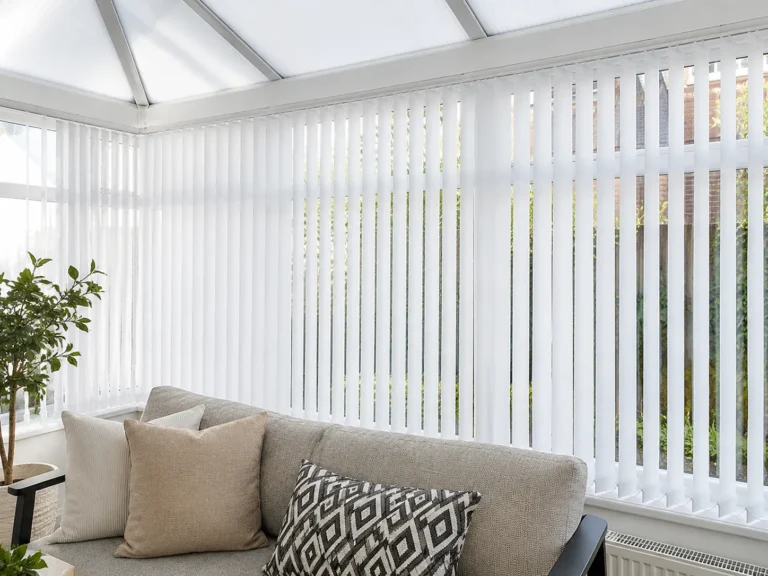
Larger glazed spaces may require several blinds working together, with daylight, glare, privacy and ease of operation considered across the whole area.
Professional Measuring
A blind can only be specified properly when the usable space around the window or door is understood.
The visible width and height are only part of the picture. Recess depth, handles, vents, tiles, trim and other features can affect where brackets, frames or blind mechanisms can sit. Windows and doors also need enough clearance to open normally once the blind has been fitted. The opening itself may not be perfectly square, so measuring at more than one point can be important. Bay windows and doors can introduce additional angles, moving panels and clearance requirements that are difficult to judge from a single measurement. Professional measuring helps establish which fitting positions and blind types are practical before the final order is agreed. This is especially valuable for made-to-measure window blinds in Queensbury where the dimensions and operating details need to reflect the actual opening.
Ask About Measuring and Fitting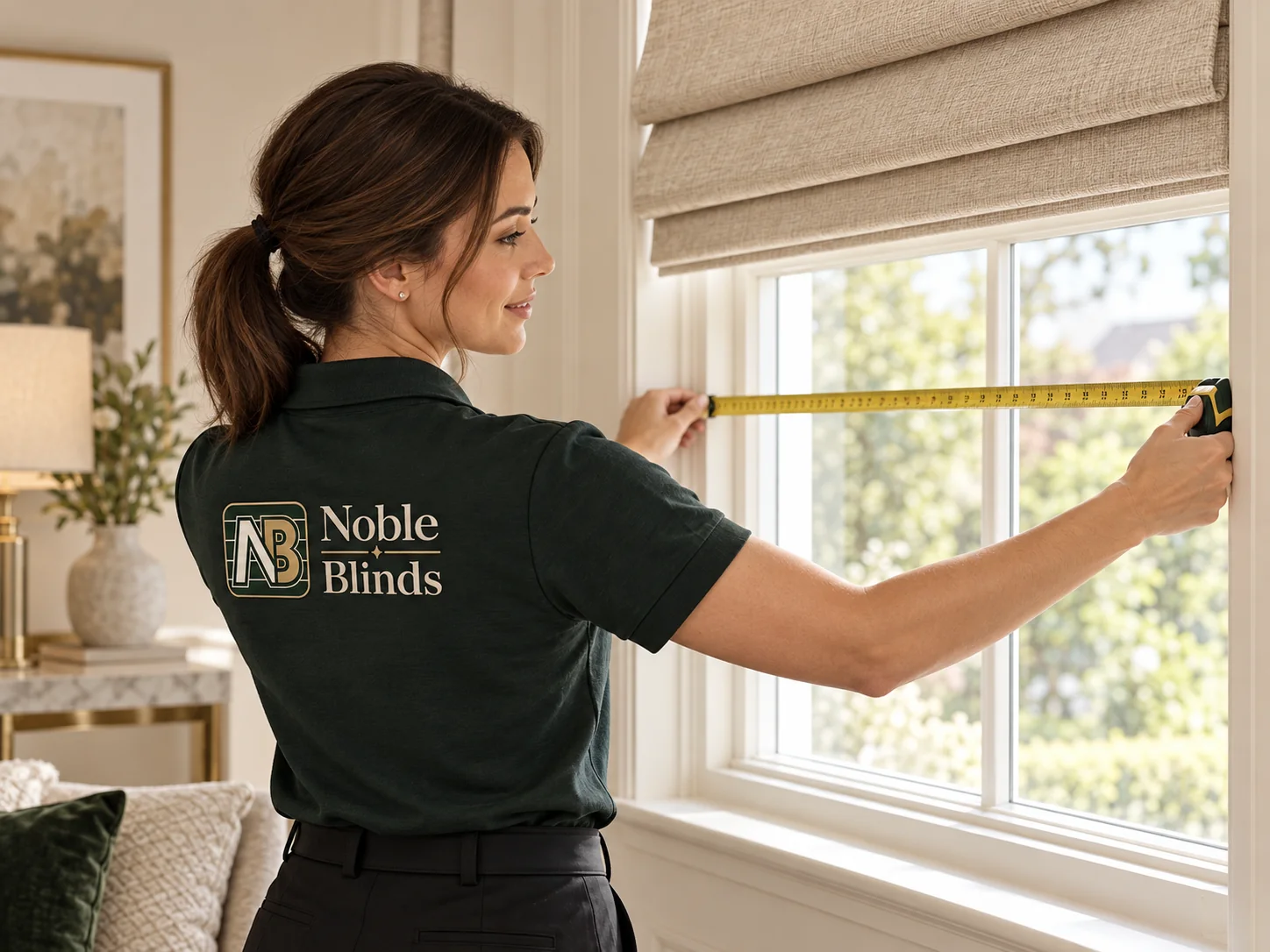
Four Simple Stages
The service moves from enquiry to measuring, specification and fitting, keeping practical decisions connected to the actual window or door throughout the project.
Tell us which windows, doors or rooms you would like help with and arrange a suitable home appointment.
The relevant openings can be measured while you discuss practical requirements and suitable blind options.
Agree the preferred product and specification, then receive a quotation based on the measured opening and selected made-to-measure solution.
Your made-to-measure blinds are supplied and professionally fitted once they are ready.
Professional Support From Enquiry to Fitting
Clear advice and careful measuring matter just as much as the final appearance of the blind.
Experience
More than 10 years of blinds experience supports practical advice, measuring and professional fitting.
Service Model
Noble Blinds is based in Leeds and serves customers across West Yorkshire through a mobile customer-site service.
Professional Service
Professional measuring and fitting keep the agreed blind connected to the actual opening.
Customer Feedback
185 Google reviews provide current customer feedback on service, communication, measuring, fitting and the finished result.
Customer Feedback
See Google feedback from customers about practical advice, communication, fitting, product quality and the experience of working with Noble Blinds.
Very nice and professional, paying attention to details and your wishes and make sure that everything is how would you like to be, high quality too. Highly recommended 💯
Great customer service quote and fitting are quick I’m really happy with my blinds they look stunning! Thank you again TikTok friend
Excellent service from start to finish. Good quality blinds friendly and efficient chap who knows his stuff. Fitted all mine today in no time. Would definitely recommend Luxury Blinds
Great service and amazing quality blinds all fitted very professionally plus very quick service. Thank you
Fast and efficient service, blinds look great and made room look new.
The person was great and love the blinds .thanks
Great service, fantastic job, great quality! Patient and understanding and I'm definitely recommending to family and friends. Thank you again!
Job well done and very friendly service, highly recommend this company
Great service, fantastic job. I’m very happy with the service definitely I’m gonna recommend my family and friends thank you.
Professional service provided and amazing quality blinds, would highly recommend. Thank you.
Practical Blind Questions
Common questions about windows, doors, light control and fitting can help you narrow the options before making a blinds enquiry in Queensbury.
Adjustable or layered systems are useful when privacy needs change through the day. Venetian and Vertical Blinds can alter the angle of their slats or louvres, while Vision or Day & Night Blinds use alternating translucent and opaque fabric bands. A more open position can admit softer daylight while reducing direct views, then the blind can be moved towards a more closed position when stronger privacy is required. After dark, greater screening is normally needed because illuminated rooms are easier to see from outside.
Roller Blinds can suit large windows where a simple flat-fabric appearance and compact operation are priorities. Depending on the width and system, dividing a very wide opening into more than one blind may also create a practical, balanced arrangement. Other options, including Vision and Vertical Blinds, may suit large glazing where adjustable light control or sideways stacking matters more. The window width, fixing space, operating method and preferred appearance should be considered together before choosing.
Yes, individual blinds can sometimes be fitted to separate glazed panels where the door and chosen blind system are compatible. Frame-mounted options can be especially useful because each blind can remain close to its panel as the door moves. The important checks are the frame profile, handles, hinges, folding direction and the clearance between panels when the doors stack. Not every bi-fold door accepts every system, so compatibility should be confirmed during measuring before the blinds are specified.
Unusual glazing often requires a more specialist approach than a standard rectangular window. Depending on the shape, suitable possibilities may include specialist Pleated systems or Vertical Blinds designed for certain sloping applications. The angle, dimensions, fixing points and direction of operation all affect what can be fitted successfully. Made-to-measure blinds are particularly important for irregular openings because suitability needs to be based on the actual glazing rather than a standard window size.
For high-level windows, roof glazing or other difficult positions, the operating method should be considered before the blind is ordered. A manually operated blind is less useful if its control cannot be reached comfortably in everyday use. Where the selected blind system supports it, motorised operation can make high or inaccessible glazing much easier to manage. The opening, power or charging requirements and compatible control options should be checked as part of the specification.
They can be useful on compatible windows and glazed doors where recess depth or surrounding fitting space is restricted. Systems such as Perfect Fit sit close to the glazing within a dedicated frame rather than relying on the same mounting arrangement as a conventional blind. Compatibility still depends on the window or door profile, glazing beads, handles and available clearance. For window blinds in Queensbury, measuring the actual frame first helps establish whether a frame-mounted or conventional fitting arrangement is more practical.
Some motorised blind systems can be configured so compatible blinds are operated together, which can be useful across several windows or a larger glazed area. This may reduce the need to adjust each blind separately. The available grouping method depends on the particular motor and control system selected. Remote controls, wall controls or other automation features vary between systems, so grouped operation and any wider smart-control requirements should be confirmed before the final specification is agreed.
Slatted blinds such as Venetian or Wooden Blinds let you change the angle of the slats, giving precise control over daylight, privacy and outward views without necessarily raising the whole blind. Traditional fabric blinds such as Roller or Roman Blinds generally control the window by raising or lowering a fabric covering, creating a softer or simpler appearance. Layered fabric systems such as Vision Blinds behave differently again, offering intermediate light and privacy positions through overlapping fabric bands.
Start by considering how different parts of the room are used. A living area may need comfortable daylight and privacy, while glazing beside a dining area may have different glare, view or evening-screening requirements. The blinds do not necessarily have to perform identically across every window. A coordinated colour or finish can help create a consistent appearance while the blind type, fabric or control method is chosen around the practical requirements of each opening.
Noble Blinds serves Queensbury as part of its wider West Yorkshire coverage. Noble Blinds operates a mobile, customer-site service rather than a retail showroom, so the relevant windows or doors can be discussed at the property. Professional measuring can then confirm the usable dimensions, clearances and fitting position before the specification is agreed. A project can begin with the opening, room and result you want, even if you have not yet chosen the final blind type.
Planning New Blinds?
Arrange a home appointment to have your requirements discussed and the relevant openings measured. Whether you already have a particular blind in mind or want help comparing suitable options, Noble Blinds can guide you towards a made-to-measure solution and provide a quotation.