
Window or Opening Type
Shape, size and movement help narrow the well-matched options. Standard windows, wide glazing, bays, doors and roof windows can require.
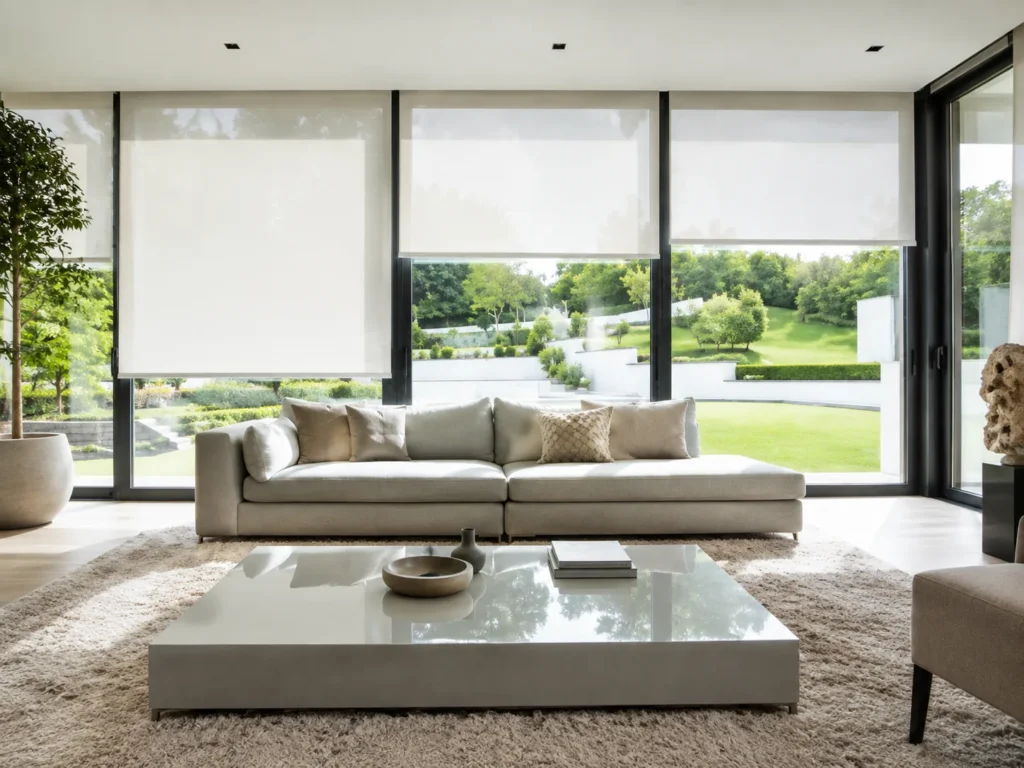
Looking for blinds in Mirfield? Compare made-to-measure styles for everyday windows, glazed doors and more specialist openings, with help available to measure and narrow down the.
Made Around Your Home
Made-to-measure blinds are planned around the actual opening, helping the finished blind fit the window or door and work properly in regular use. Details such as handles, vents and recess depth can be considered before.
During a home visit, the opening, room and useful requirements can be think abouted together before you decide on the final blind, fabric and operating option.
Relevant dimensions and clearances are checked at your property so the selected blind can be planned around the actual window or door.
Compare well-matched styles and options according to your privacy, daylight, room and regular operating requirements.
Your made-to-measure blinds are professionally fitted once they are ready, with the installation planned around the agreed.
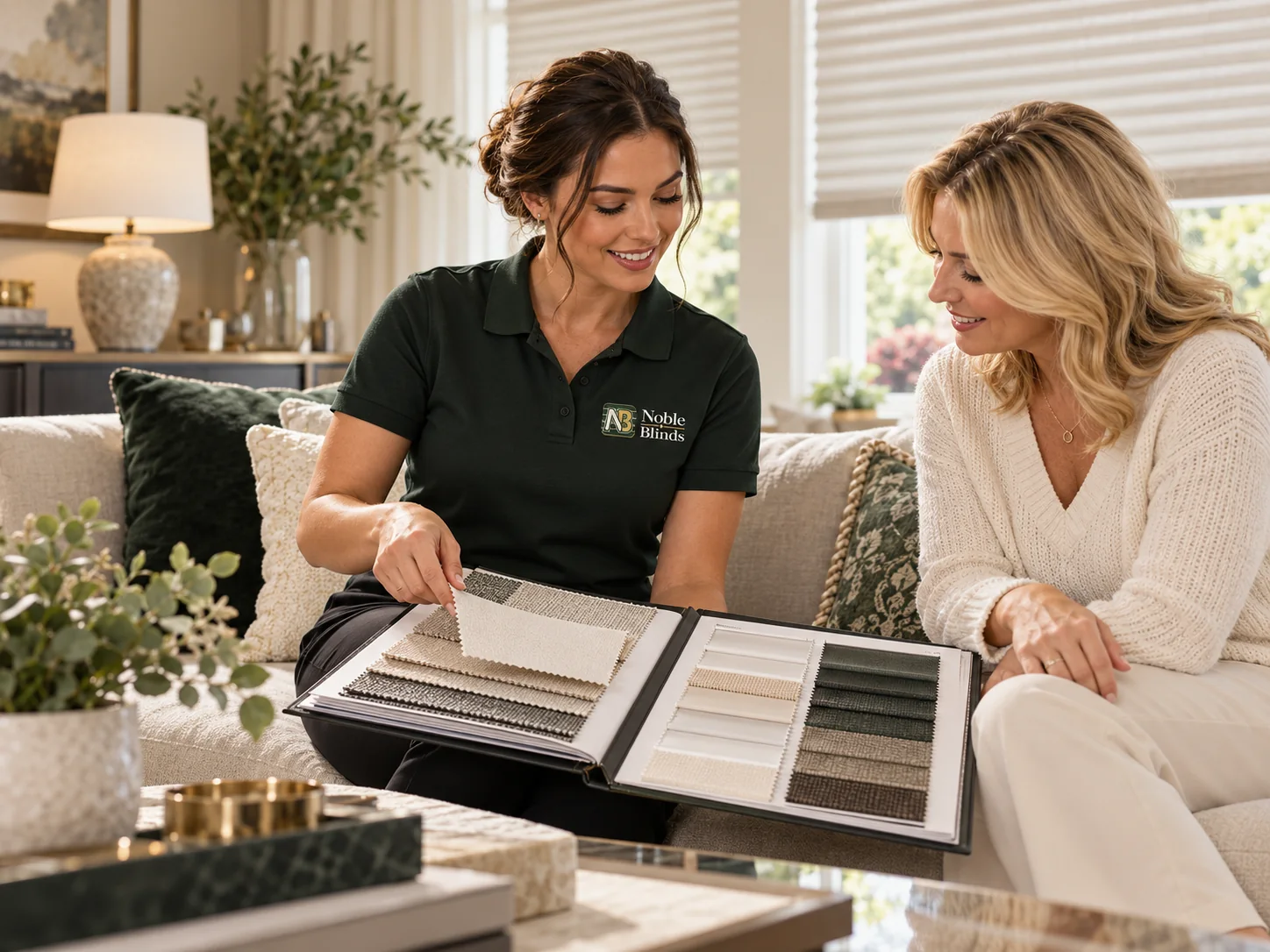
Start With Your Needs
These four checks help narrow the well-matched blind options before style and finish are think abouted. Start with the opening, the room and the result you want.
Shape, size and movement help narrow the well-matched options. Standard windows, wide glazing, bays, doors and roof windows can require.
Different Blind styles manage these priorities in different ways. Decide whether you need adjustable privacy, useful daylight, glare reduction or stronger room darkening.
Think about how the room is used before choosing. A bedroom, kitchen, bathroom or home office can place different demands on a blind.
Manual, frame-mounted or motorised operation may be appropriate depending on the selected system. Think about reach, frequency of use and how the opening moves.
Explore Your Options
Explore the complete blind range available through Noble Blinds, then continue to the most relevant product page for more detailed guidance. Follow the relevant blind route when you need more.
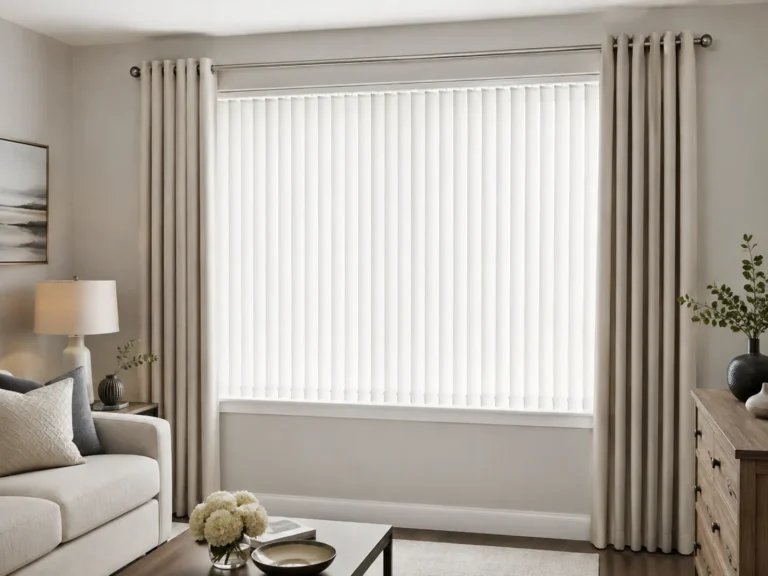
Adjustable louvres provide flexible privacy and daylight control, making Vertical Blinds particularly useful for wider windows, glazed areas and well-matched doors.
Explore Vertical Blinds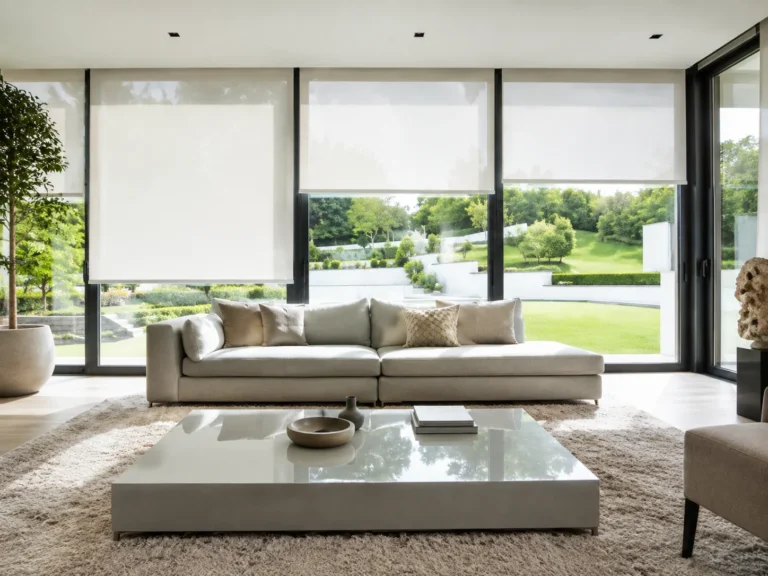
A simple fabric blind with a neat rolled finish, offering straightforward regular operation and different light-control choices depending on the selected fabric and system.
Explore Roller Blinds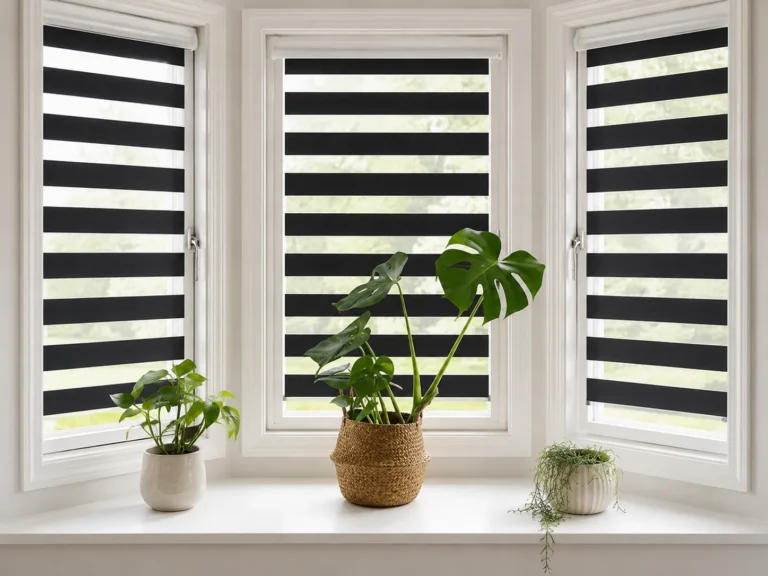
Alternating sheer and opaque fabric bands allow you to adjust daylight, privacy and view-through without simply choosing between fully open and fully closed.
Explore Vision Blinds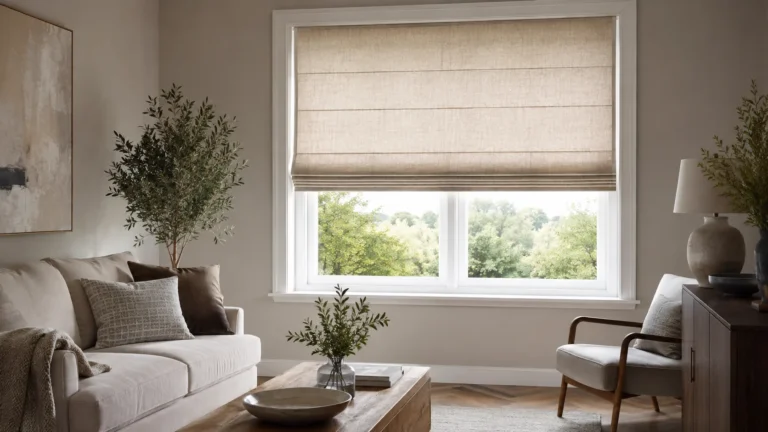
Roman Blinds fold into soft fabric sections when raised, giving windows a warmer, more decorative appearance while providing useful privacy and light control.
Explore Roman Blinds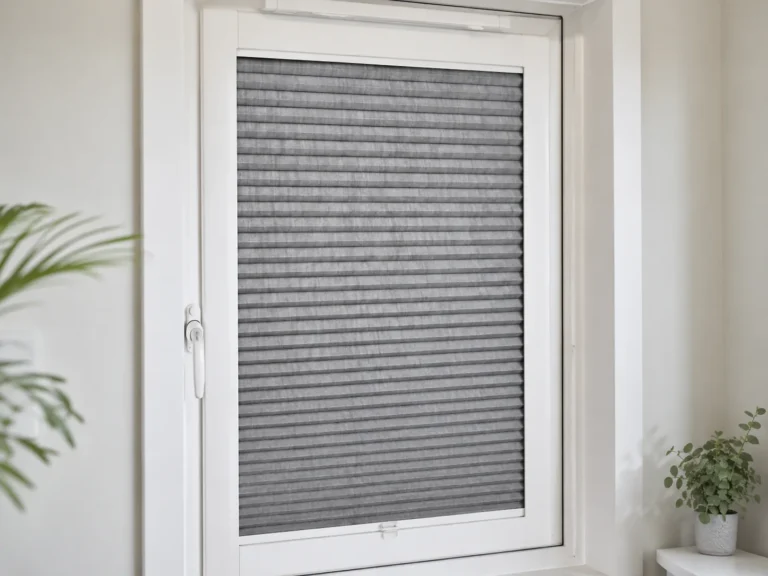
Perfect Fit systems sit within a dedicated frame on compatible windows and glazed doors, creating a close-to-glass solution that moves with the opening.
Explore Perfect Fit Blinds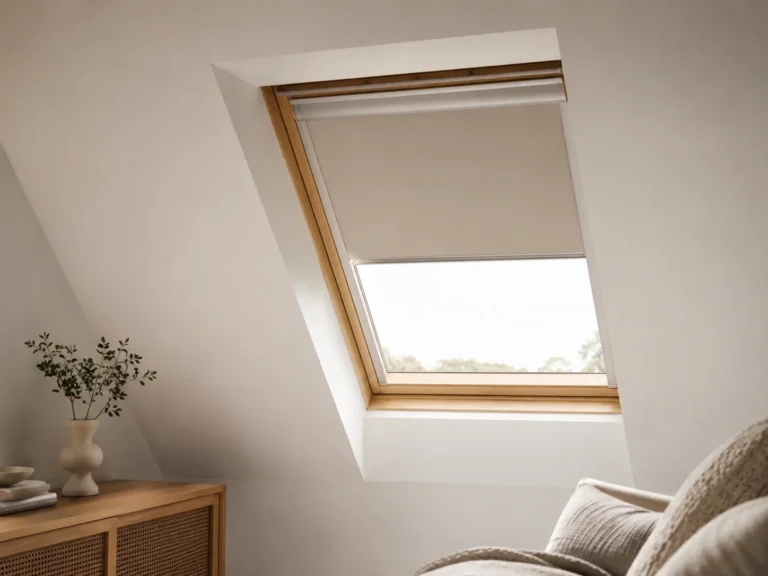
Purpose-designed blinds for compatible VELUX roof windows can provide different levels of light control and operation according to the selected product.
Explore VELUX Blinds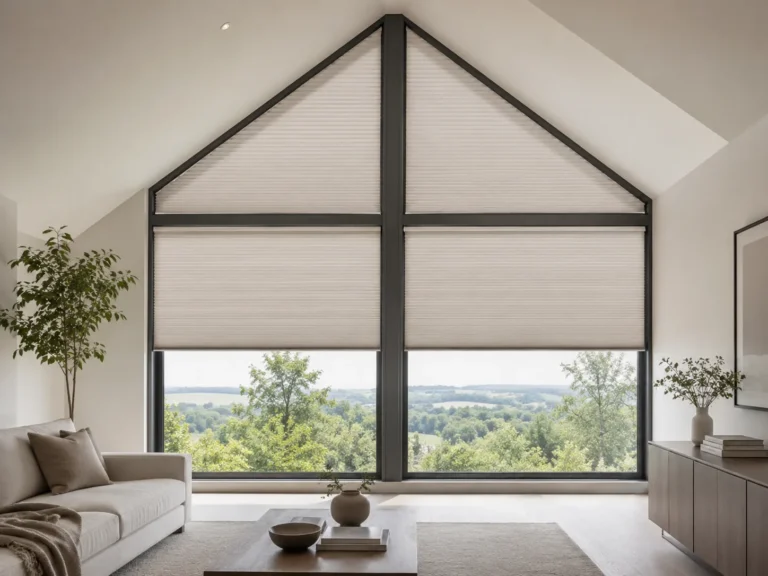
Pleated Blinds use lightweight folded fabric and stack compactly, making them well-matched for a range of standard and specialist applications where compatible.
Explore Pleated Blinds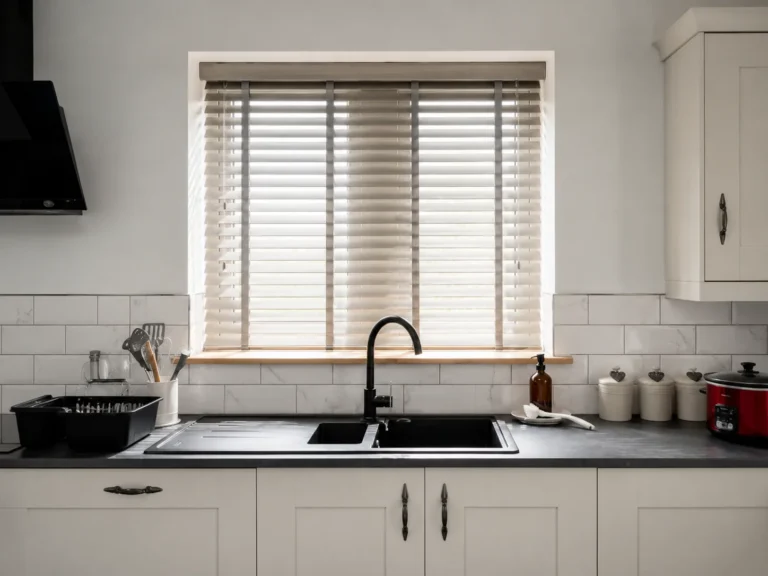
Horizontal slats can be tilted to manage daylight, privacy and outward views while maintaining a clean, structured appearance. The complete range allows standard windows, doors and.
Explore Venetian Blinds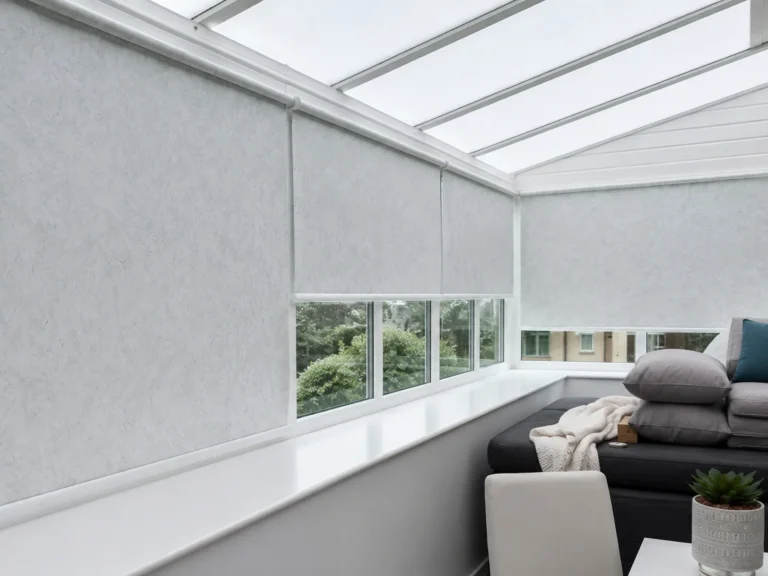
Conservatories can combine roof glazing, side windows and doors, so different Blind solutions may be appropriate for different parts of the space. A home may therefore use more than one blind.
Explore Conservatory Blinds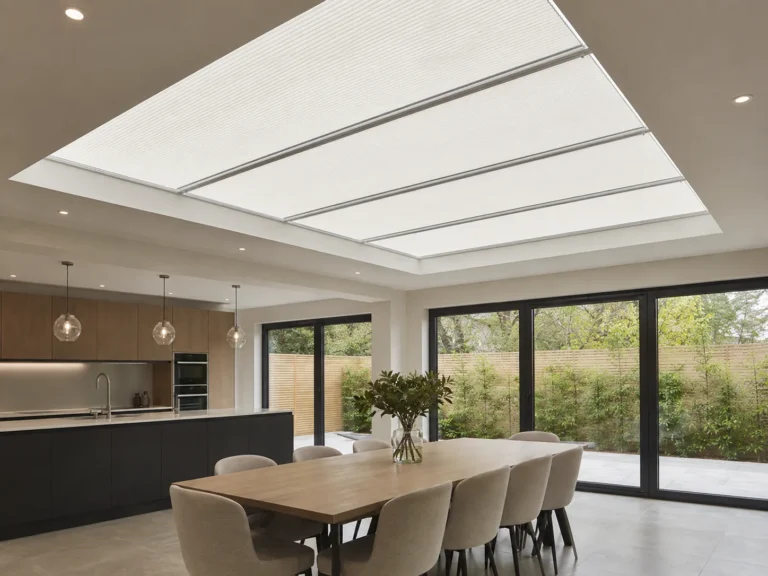
Specialist Roof Lantern Blinds provide controlled shading across well-matched overhead glazing, with motorised operation available where supported by the selected system.
Explore Roof Lantern Blinds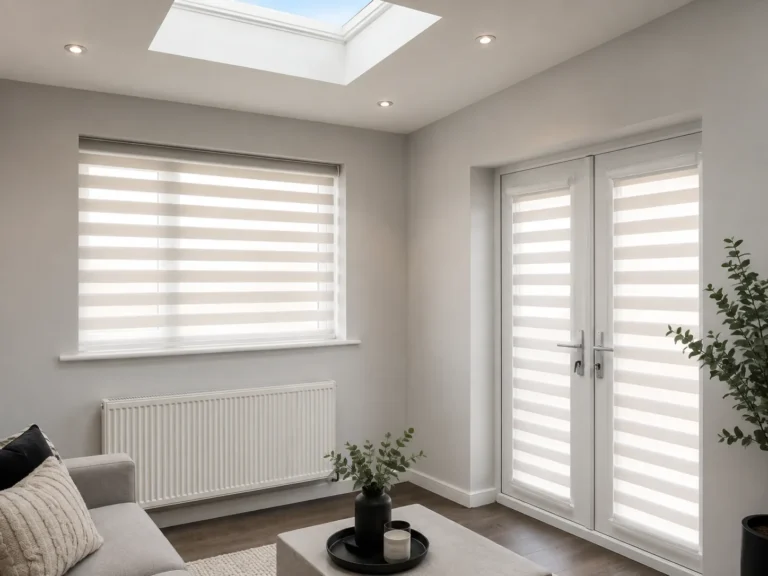
Door Blinds should be selected around the glazing, handles, opening movement and access needed from the door during normal use. The complete range allows standard.
Explore Door Blinds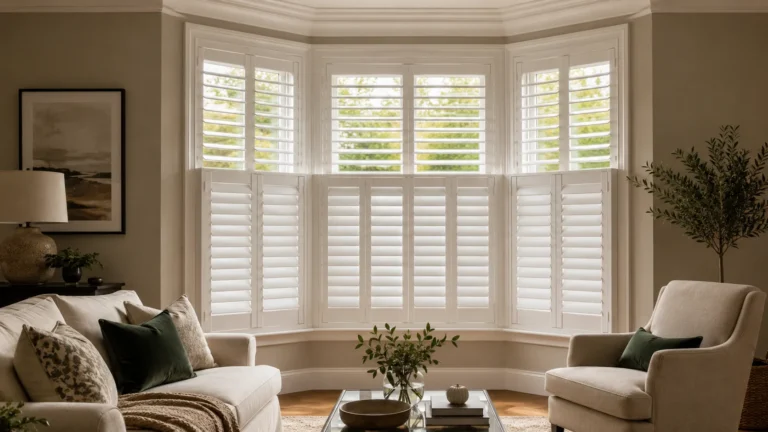
Interior shutters use framed panels and adjustable louvres to provide useful control over privacy and daylight while creating a distinctive window finish.
Explore Window ShuttersSpecialist Requirements
These specialist routes help you find the most relevant options. Some requirements are easier to solve by starting with the opening or useful need. These routes are useful when the opening.
Bay windows need careful planning around individual panes, angles, handles and corner clearances so neighbouring blinds can fit and operate properly.
Explore Bay Window BlindsBlackout fabrics can provide strong light reduction, but the overall result also depends on fitting position, recess gaps and the complete installed system.
Explore Blackout BlindsPowered operation can be useful for high, large or difficult-to-reach blinds where a compatible motorised system is available. Compatibility still depends on the actual window, door or.
Explore Motorised BlindsSkylights and roof windows need blinds designed to remain controlled against angled glazing and suit the particular window or opening. Some of these systems may also have different operating.
Explore Skylight BlindsAlternating sheer and opaque fabric bands allow privacy, daylight and view-through to be adjusted within one Blind. These routes are useful when the opening or performance requirement.
Explore Day & Night BlindsHorizontal wood or wood-effect slats provide adjustable privacy and daylight control while creating a warmer, structured window finish. Compatibility still depends on the.
Explore Wooden BlindsBlinds for Glazed Doors
A door blind needs to work with the glazing and with the way the door opens, closes and is used every day. Measuring the door in its normal operating positions helps identify which.
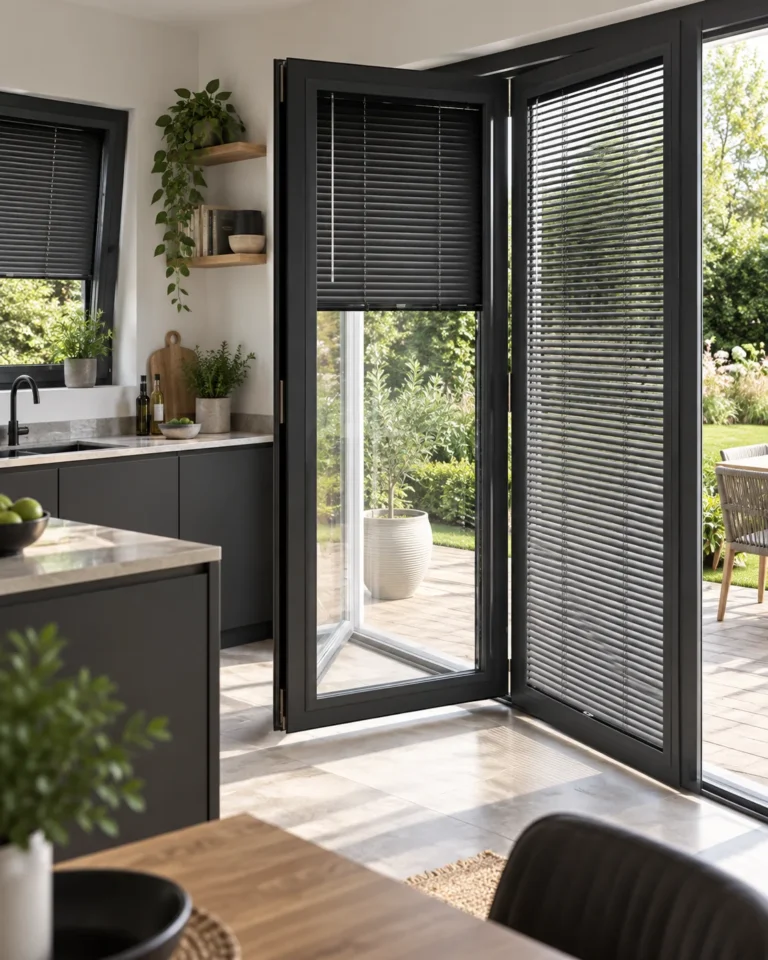
Think about panel movement, handles and stack-back space so the selected blinds do not interfere with the way the doors fold and open.
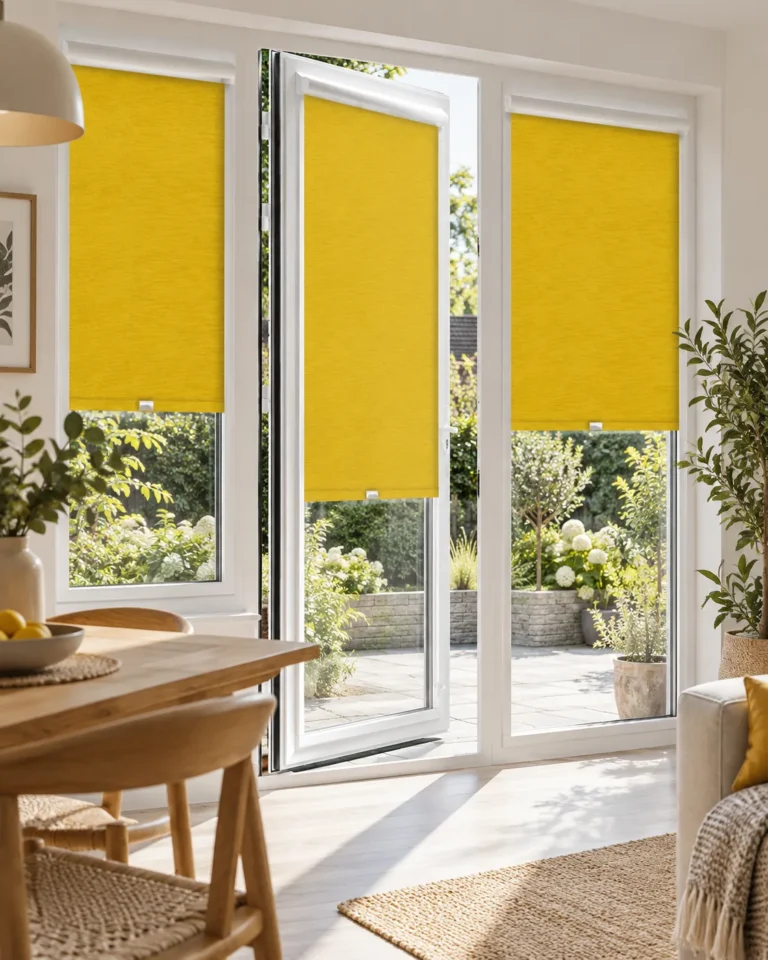
Blinds for paired French doors need to allow for glazing, handles, locks and normal door movement while providing the required privacy and light control.
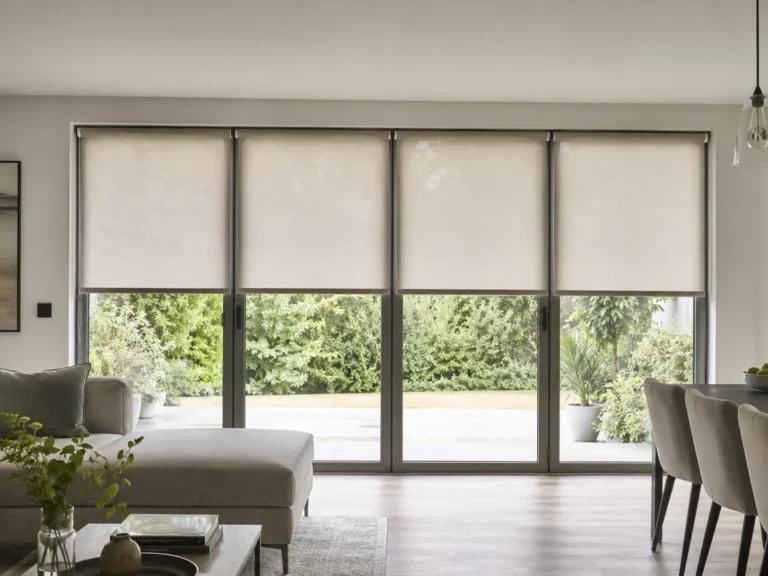
Wide glazing, sliding movement, stacking position and regular access are important think aboutations when choosing blinds for patio doors.
Room-by-Room Choices
Think about privacy, daylight, cleaning, access and how the space is used before choosing a style. Different rooms place different demands on a blind.
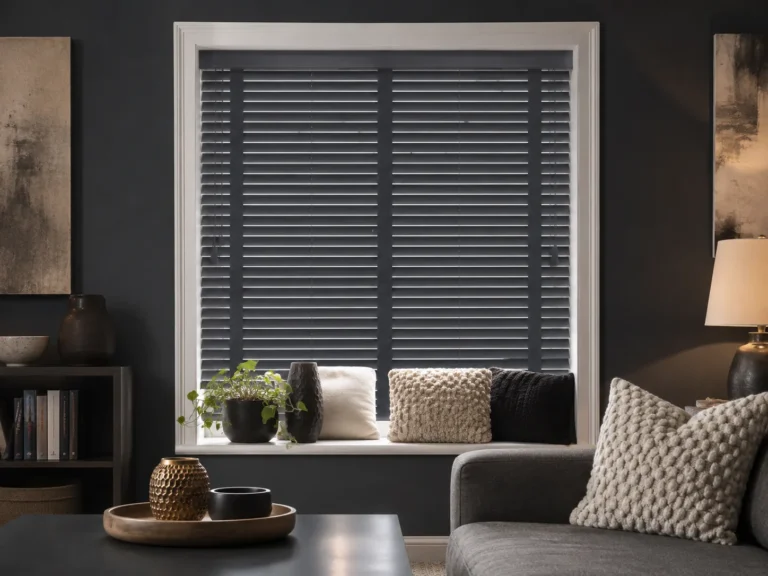
Adjustable light control can be particularly useful where the room is used throughout both the day and evening. Balance comfortable daylight, privacy and appearance.
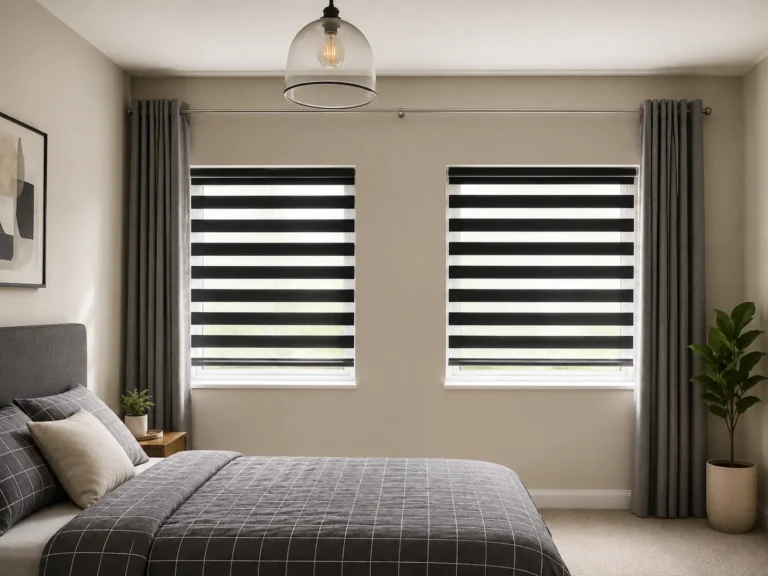
Where darkness matters, the fabric and fitting method both need think aboutation. Think about privacy and how much light reduction you need for sleeping.
Think about the window's position around worktops, sinks and cooking areas, together with cleaning, ventilation and easy regular operation.
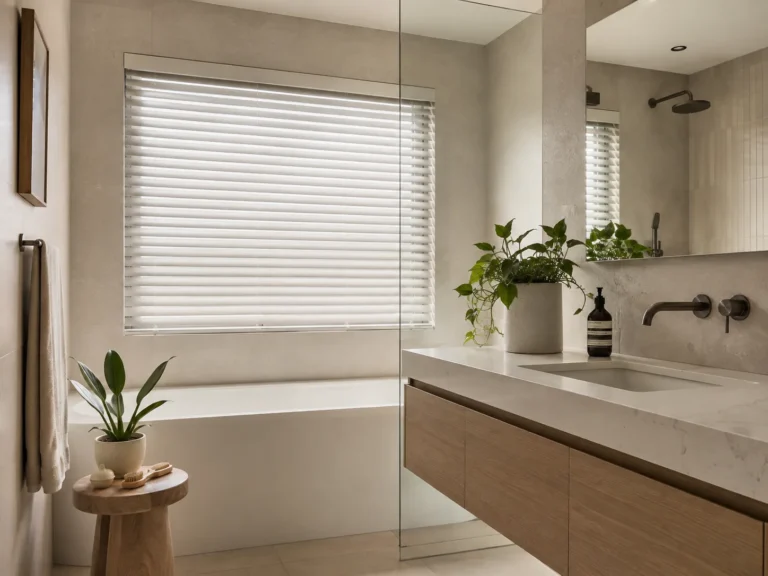
Privacy is usually important, while the selected material and system should also be well-matched for conditions around the particular window.
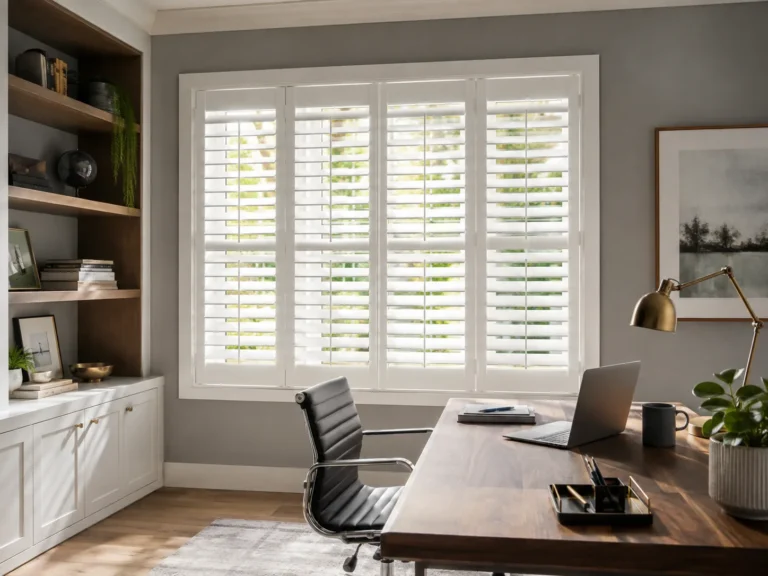
Adjustable light control can help reduce screen glare while retaining useful daylight as the direction and strength of sunlight changes. Thinking about the room first helps avoid choosing a.
Before You Choose
A good choice should suit the opening, the room and regular use rather than being selected on appearance alone. These checks are useful before colour or finish becomes the main.
Think about whether you need daytime privacy, adjustable view-through, glare control, stronger darkness or different levels of control at different times. Balancing these points gives a better basis for.
Check the size and shape of the opening, how it moves, where handles sit and how much useful fitting space is available.
Think about how the room is used and whether its location or conditions affect the material, fitting method or level of privacy required.
Think about how often the Blind will be adjusted and how easily it can be reached before choosing manual, frame-mounted or motorised operation. Balancing these points gives a better basis for comparing the.
Start With the Opening
If several styles could work, the useful first step is to explain the opening and what you want from the room. The quotation can then reflect the agreed made-to-measure.
Discuss blind styles that make sense for the opening, room conditions and required light control. Where more than one style could.
Measuring helps establish the usable fitting position rather than relying on rough sizes. The quotation can then reflect the agreed made-to-measure.
The chosen blind, operating method and fitting approach can be brought together before quotation. You can begin with a description of the opening.
The made-to-measure blinds are installed at the property and checked against the agreed fitting position. It also gives a clear point at which the.
You can enquire without knowing the exact blind style or measurements. The quotation can then reflect the agreed made-to-measure.
Different Types of Openings
The size, shape and movement of the opening can be just as important as the blind style itself. The opening itself can determine the most practical fitting method, especially where.
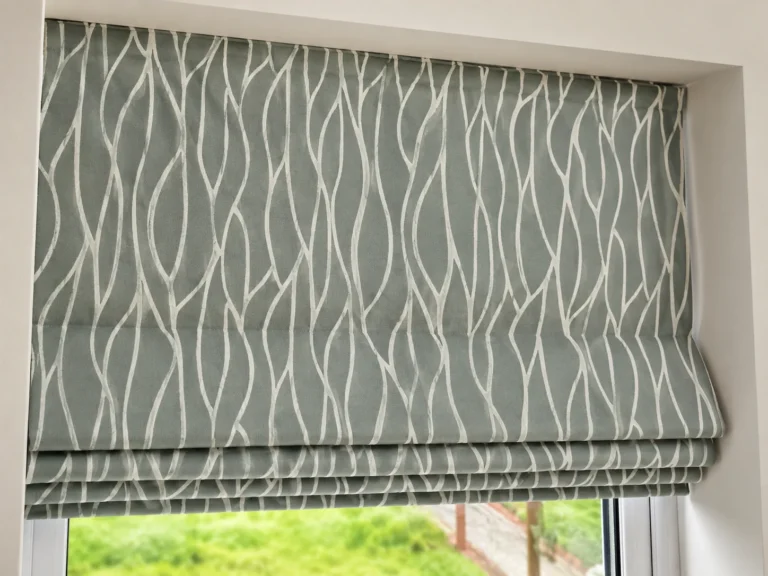
Recess depth, handles, sill position and window movement can influence whether the Blind is fitted inside the recess, outside it or closer to the glazing.
Compare Blind StylesLarger spans need a Blind solution that can cover the required width while remaining useful to operate and well-matched for the opening. Some openings may suit several blind styles, while others.
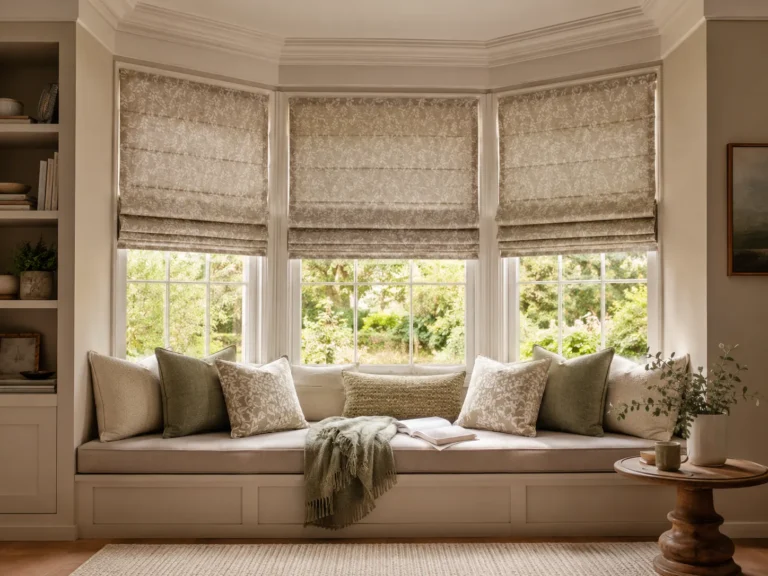
Individual panes, changing angles and corner clearances need to be think abouted together so neighbouring blinds can fit and operate without clashing.
Explore Bay Window BlindsDoor movement, handles, locks and access need to remain useful after the chosen Blind solution has been fitted. Comparing the opening first helps set realistic.
Explore Door BlindsAngled glazing generally needs a Blind designed for roof-window use rather than a standard free-hanging solution intended for a vertical window.
Explore Skylight BlindsRoof glazing, side windows and doors may need different solutions while still allowing the overall room to feel visually coordinated. Comparing the opening first helps set realistic.
Explore Conservatory BlindsMeasure the Real Opening
A reliable blind specification starts with how the opening is built and how it moves. The aim is to identify the usable fitting space rather than assume the visible glass.
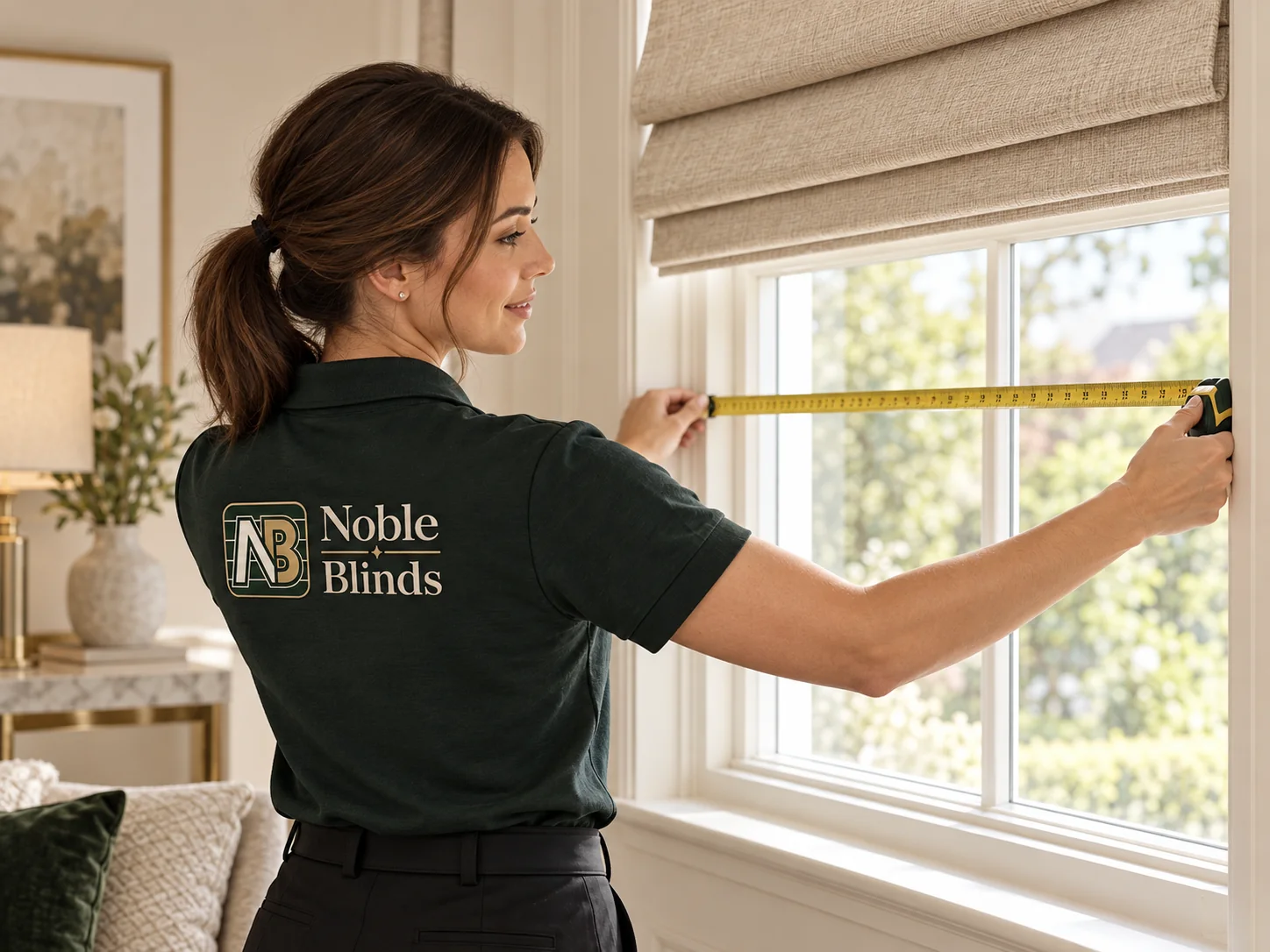
Measurements at the property can account for recess depth, uneven edges, projecting hardware and the space needed for brackets, fabric or slats to move freely. The measuring stage also helps establish whether the blind should sit inside the recess, outside it or within a compatible frame-mounted system. Where several openings appear similar, each one can still differ slightly in width, drop or squareness and should be checked individually. Where several openings appear similar, each one can still differ slightly in width, drop or squareness and should be.
A Clear Four-Step Route
Each stage builds on the last: understand the opening, measure accurately, agree the specification and then fit the made-to-measure blinds.
Explain what you want to improve, such as privacy, glare, a door, a wide opening or easier operation.
Measure the usable fitting space and identify handles, vents or movement that could affect suitability. It also gives a clear point at which the.
Select the most appropriate blind, finish and operating approach before the quotation is prepared.
The made-to-measure blinds are installed at the property and checked against the agreed fitting position. It also gives a clear point at which the.
A Practical Service
Noble Blinds focuses on choosing around the real window or door rather than treating every opening as the same. The service is intended to make the buying decision clearer.
Recommendations start with the window or door, including movement, handles and the level of privacy or daylight you need. This allows the final recommendation to.
Checking the opening directly gives a clearer basis for the final dimensions and fitting position. The service is intended to make the buying decision clearer without suggesting.
You can compare a manageable set of realistic blind options rather than trying to judge the whole range at once. The customer can therefore compare.
The chosen blinds are professionally installed so the final position matches the agreed specification. This allows the final recommendation to remain.
Reviews & Feedback
Customer reviews provide independent feedback on the overall service, advice, measuring and fitting.
Very nice and professional, paying attention to details and your wishes and make sure that everything is how would you like to be, high quality too. Highly recommended 💯
Great customer service quote and fitting are quick I’m really happy with my blinds they look stunning! Thank you again TikTok friend
Excellent service from start to finish. Good quality blinds friendly and efficient chap who knows his stuff. Fitted all mine today in no time. Would definitely recommend Luxury Blinds
Great service and amazing quality blinds all fitted very professionally plus very quick service. Thank you
Fast and efficient service, blinds look great and made room look new.
The person was great and love the blinds .thanks
Great service, fantastic job, great quality! Patient and understanding and I'm definitely recommending to family and friends. Thank you again!
Job well done and very friendly service, highly recommend this company
Great service, fantastic job. I’m very happy with the service definitely I’m gonna recommend my family and friends thank you.
Professional service provided and amazing quality blinds, would highly recommend. Thank you.
Practical Questions
These questions cover the practical decisions that often matter when comparing made-to-measure blind options. Where several systems could work, compare how each.
Start by deciding whether directional control, filtered light or flexible daytime screening matters most. That usually makes it easier to compare slatted, louvred and layered-fabric blinds. Where several systems could work, compare how each one handles privacy, daylight, access and day-to-day operation before deciding. Measuring the actual window or door provides the best basis for deciding which fitting approach is realistic.
A well-planned blind can reduce incoming light strongly, but the finished effect depends on more than fabric choice. Measuring the opening and considering edge gaps helps set realistic expectations. The fitting position matters because opaque fabric does not remove the small gaps that can remain around a blind. A deeper recess or different fitting position can change where edge light remains, so the opening should be assessed before expectations are set.
Handles, locks, hinges, glazing and the full movement of the door all need consideration. A blind should provide useful coverage without making normal opening, closing or access awkward. Frame depth and the location of locks or handles can make one fitting method more practical than another. A system that covers the glass well is not useful if it obstructs access, so movement and clearance need equal attention.
Not necessarily. Dividing the opening can make operation easier and allow separate parts of the glazing to be controlled independently. The best arrangement depends on the system and the available fixing positions. Where several systems could work, compare how each one handles privacy, daylight, access and day-to-day operation before deciding. Measuring the actual window or door provides the best basis for deciding which fitting approach is realistic.
No. Motorised operation depends on the product, size and selected system, so compatibility should be checked rather than assumed for every blind type. Motorisation is most useful when it solves a genuine access or convenience problem, not simply because powered operation is available. Power and control requirements are best considered at the same time as the blind rather than added as an afterthought. The size and weight of the finished blind can also influence which motorised systems are realistic.
Look at moisture, ventilation, distance from direct water and how easy the blind will be to operate and maintain. These factors can narrow the realistic material choices. The position of the window in relation to direct water, condensation and ventilation can be as important as the room label itself. Suitability should therefore be checked for the particular window rather than treating every bathroom as the same environment.
A bay combines several openings and angles, so each section affects the space available to the neighbouring blind. Corner clearance, handles and the chosen headrail position all need to be planned together. The meeting points at the angles are usually the critical areas because several headrails or fabrics may compete for the same space. Individual control can still be retained while keeping the overall arrangement coordinated across the bay.
A blind needs enough usable depth for its brackets, headrail and moving parts. A shallow recess may therefore change the fitting position or rule out some systems. The aim is a specification based on the real fitting conditions rather than a single approximate dimension. Measurements should reflect the proposed fitting position, because an inside-recess blind and an outside-recess blind are not specified from the same usable space. Measurements should reflect the proposed fitting position, because an inside-recess blind and an outside-recess blind are not.
It helps to describe the type of opening, the room and what you want the blind to achieve. You can still enquire without knowing the product name or exact measurements. Measuring the actual window or door provides the best basis for deciding which fitting approach is realistic. A made-to-measure specification can then be based on the usable space and the result you want from the room. The exact answer can depend on the opening, the selected blind and the way the room is used, so compatibility should be checked rather than assumed.
Even similar-looking openings can differ slightly in width, drop, recess depth or handle position. Measuring each one separately gives a more reliable basis for choosing the blind size and fitting position. The blind also needs to remain convenient when the door is opened repeatedly, so clearance should be checked in every normal position. A system that covers the glass well is not useful if it obstructs access, so movement and clearance need equal attention.
Need Help With the Next Step?
Start with the opening and what you want the blind to achieve. Noble Blinds can help narrow the relevant options and discuss the next steps. Start with the opening and the result you.