
Window or Opening Type
A standard window, bay, glazed door, roof window or large glazed area can need a different fitting approach and different clearances.
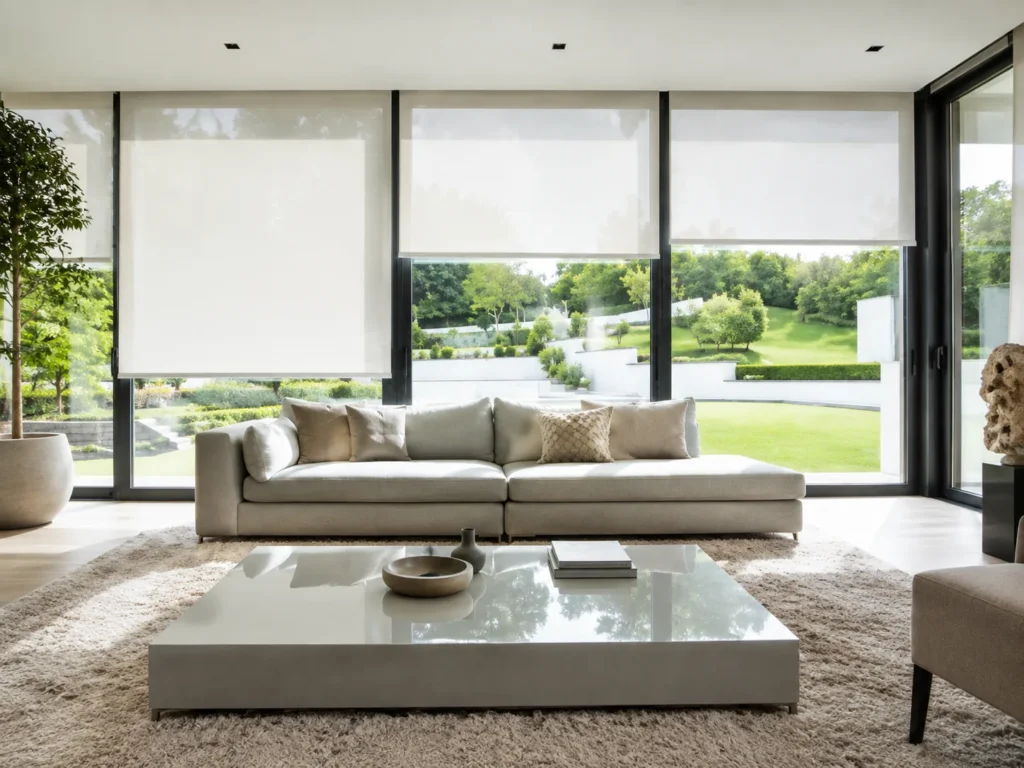
Looking for blinds in South Elmsall? Compare made-to-measure styles for everyday windows, glazed doors and more specialist openings, with help available to measure and narrow down the most appropriate options. Different windows can need different fitting approaches, so suitability is checked against the real opening before a final choice is made. The aim is to match the blind to the opening and the way the room is actually used, rather than choosing by appearance alone.
Made-to-Measure Service
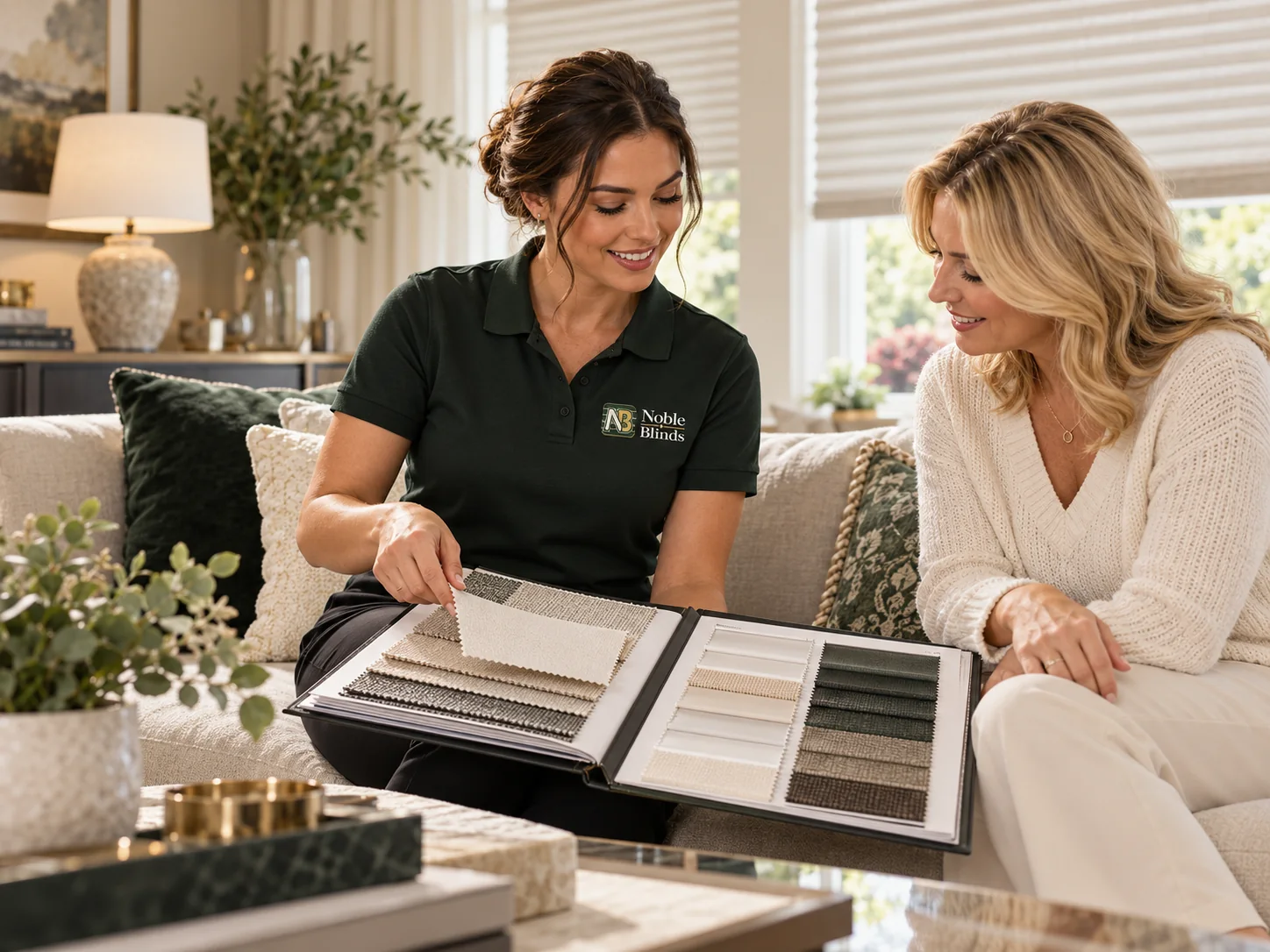
Noble Blinds helps you compare well-matched options at home, then supplies made-to-measure blinds based on.
The appointment is a chance to see how the window or door operates, discuss privacy and light control, and think about colours, fabrics and regular use. This keeps the final specification tied to the usable fitting space and the way the window or door moves in normal use. It also gives you a chance to compare fabrics, finishes and operating choices in the room where.
Measuring checks the actual width, height and usable fitting space rather than relying on standard sizes or rough estimates.
Compare useful options for privacy, daylight, room conditions and operation, with suitability checked against the real opening.
Once the made-to-measure specification is agreed and supplied, Noble Blinds professionally fits the finished.
Choosing Your Blinds
These four questions can narrow the choice before you compare individual blind styles in.
A standard window, bay, glazed door, roof window or large glazed area can need a different fitting approach and different clearances.
Decide whether you need daytime screening, adjustable views, softer filtered light or stronger light reduction, then.
Kitchens, bathrooms, bedrooms and home offices place different demands on cleaning, moisture, glare and darkness, so choices.
Think about how often the blind will move, whether controls are easy to reach and whether compatible motorised or frame-mounted.
Blind Styles
Each route introduces a different style, application or opening so you can continue to the most relevant detailed page. Explore the complete range available.
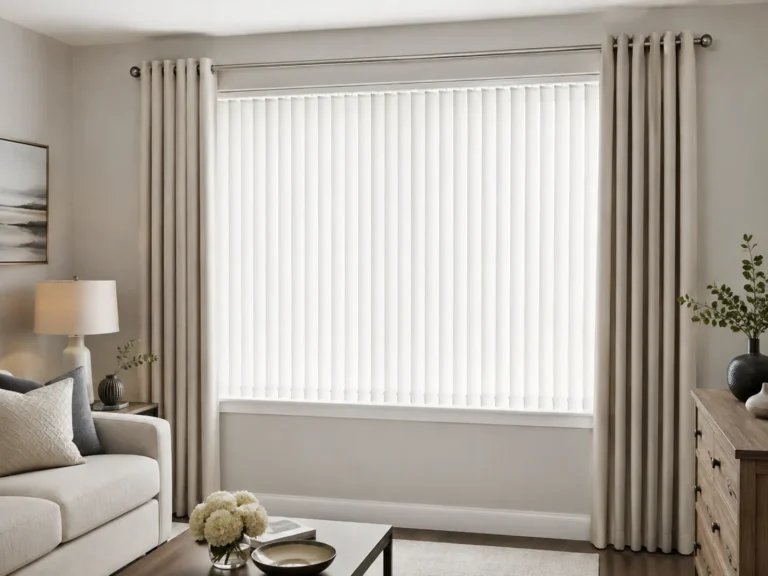
Adjustable vertical louvres offer flexible privacy and daylight control and can be particularly useful across wide windows, patio doors and larger glazed areas.
Explore Vertical Blinds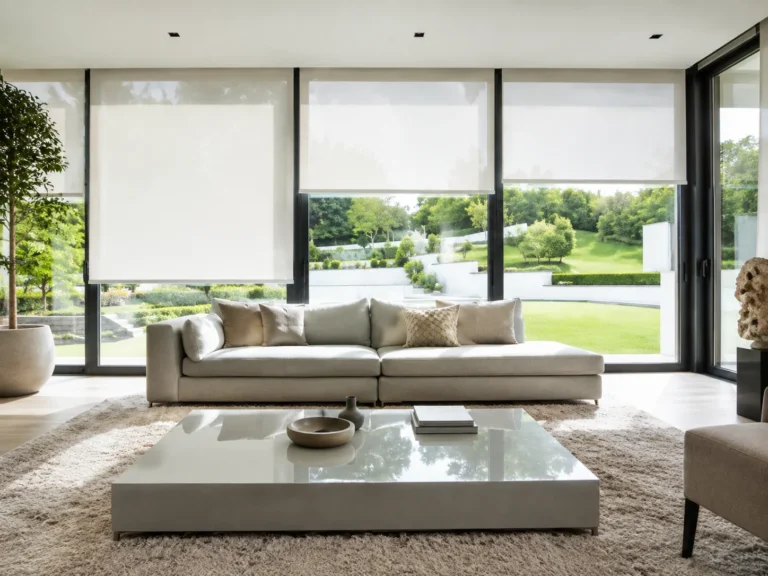
A simple, versatile choice with fabric options for different levels of privacy, light filtering and room darkening, depending on the selected.
Explore Roller Blinds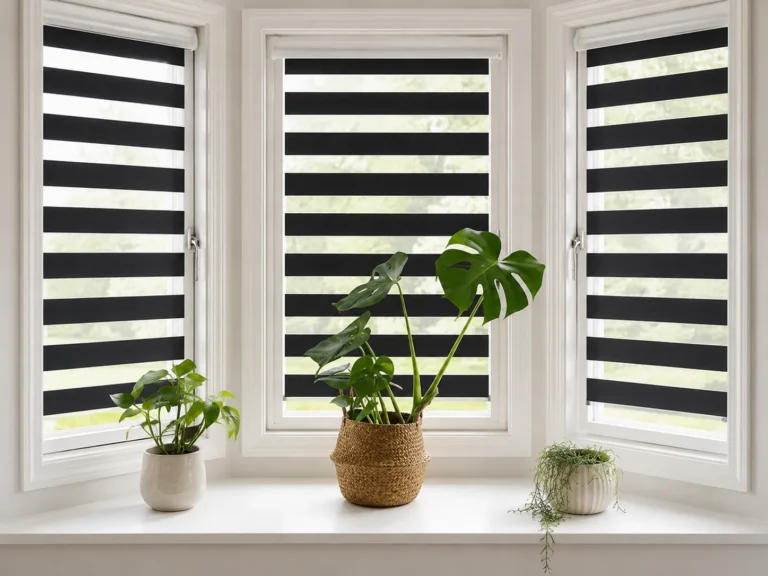
Alternating sheer and opaque fabric bands allow you to adjust the balance between filtered daylight, outward views and privacy.
Explore Vision Blinds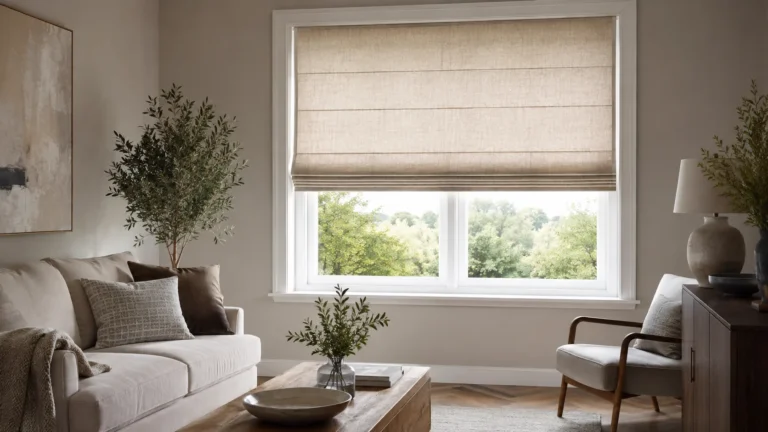
Soft fabric folds give Roman Blinds a warmer, more decorative appearance, making them a useful option where the look of the room is an.
Explore Roman Blinds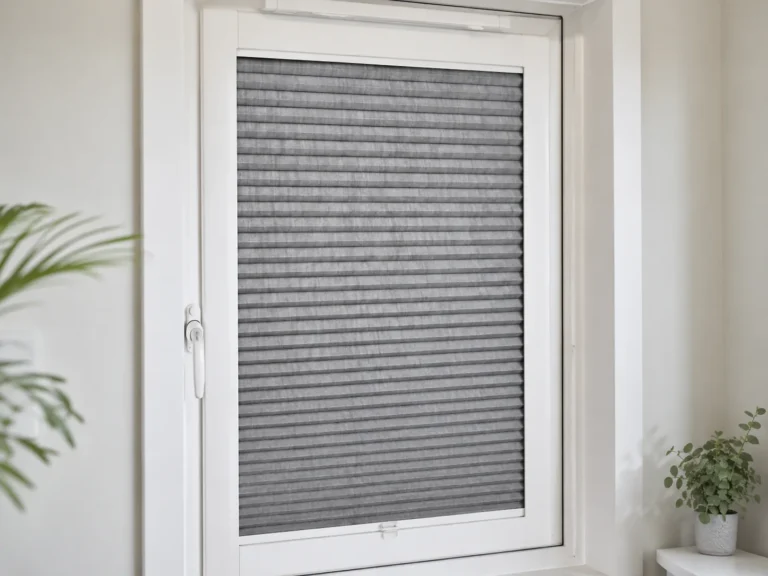
For compatible windows and glazed doors, Perfect Fit systems sit neatly within the frame and move with the opening, helping keep surrounding space clear.
Explore Perfect Fit Blinds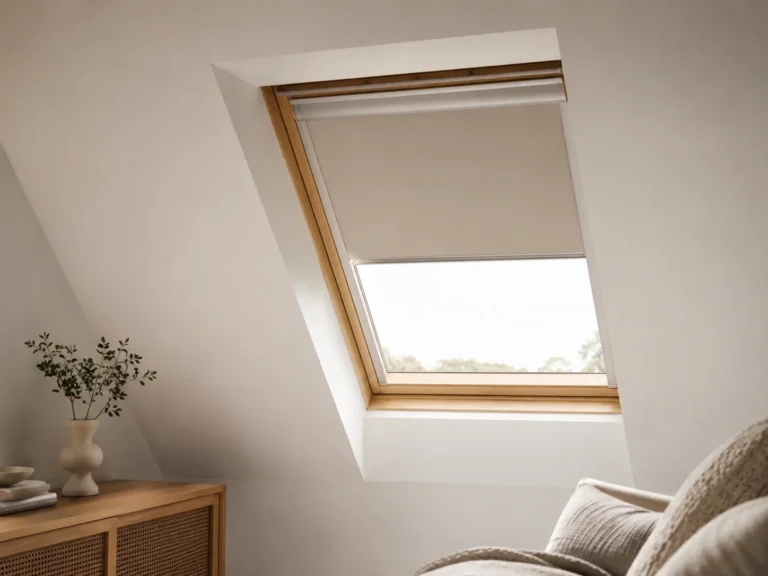
Purpose-designed options for compatible VELUX roof windows can help manage daylight, glare and privacy where ordinary window blinds would not provide the.
Explore VELUX Blinds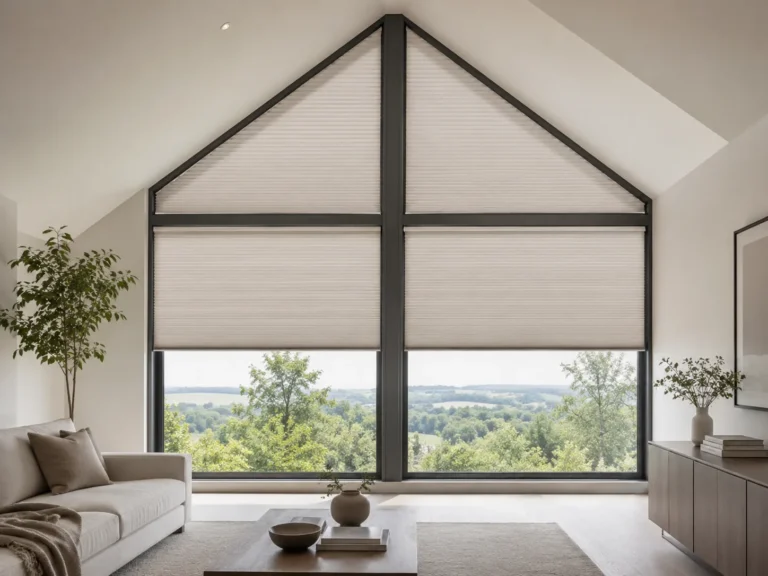
Compact folded fabric makes Pleated Blinds a versatile choice for standard windows and selected specialist glazing, with different light-control.
Explore Pleated Blinds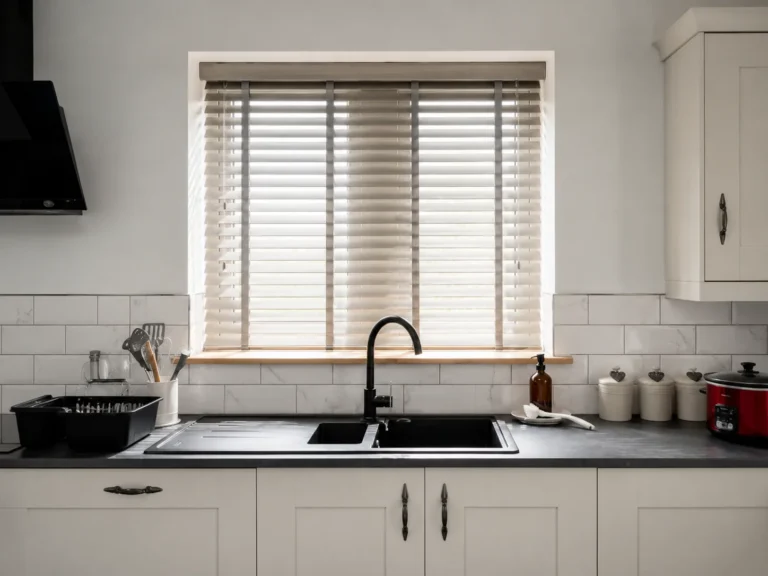
Tilting horizontal slats provide fine control over daylight, privacy and outward views, with material and finish choices available for.
Explore Venetian Blinds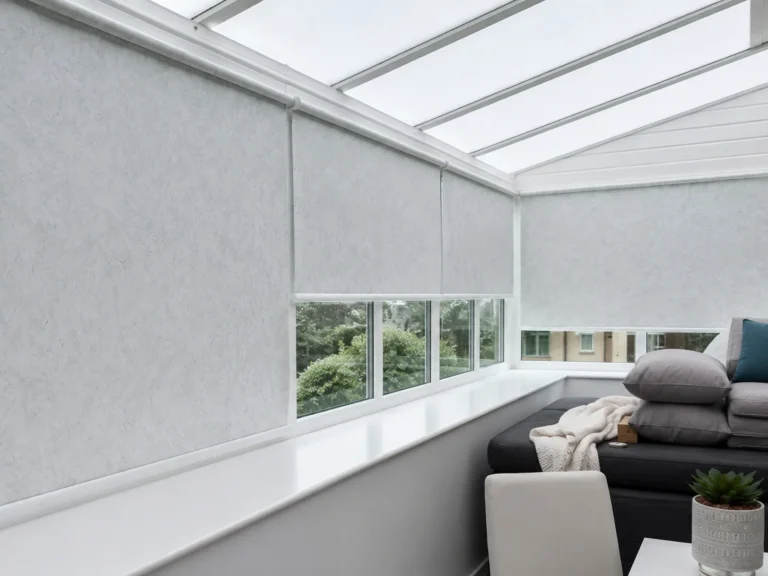
Well-matched blind choices are therefore best think abouted around each part of the space. Conservatories can involve windows, doors.
Explore Conservatory Blinds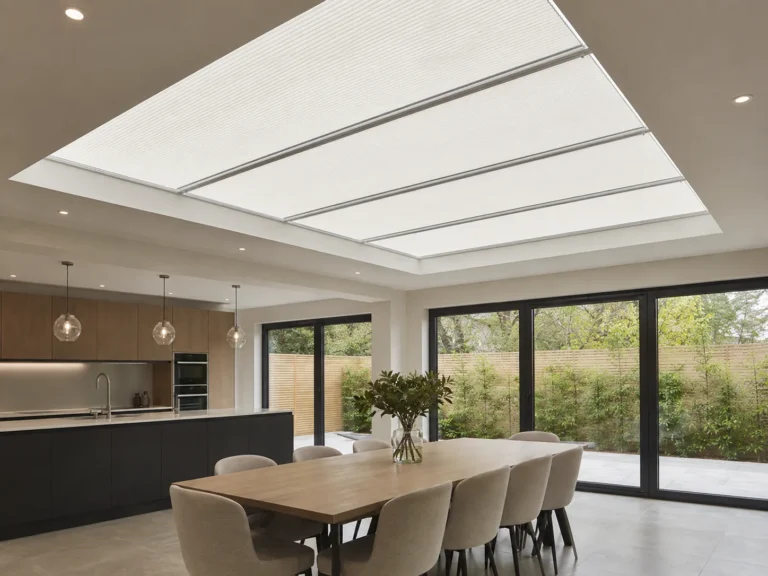
Specialist systems can cover overhead roof lantern glazing to help manage incoming light and glare, with powered operation available on well-matched systems.
Explore Roof Lantern Blinds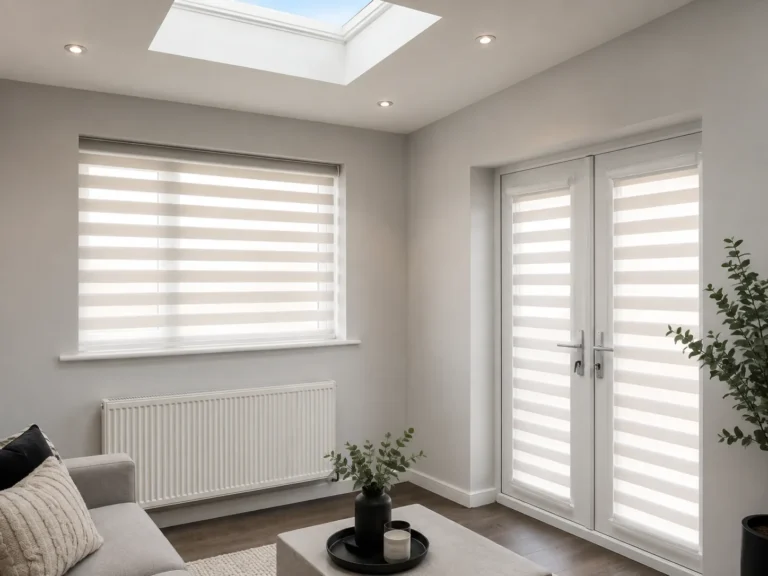
Blinds for glazed doors need to work around handles, locks, movement and regular access while still providing the required level of.
Explore Door Blinds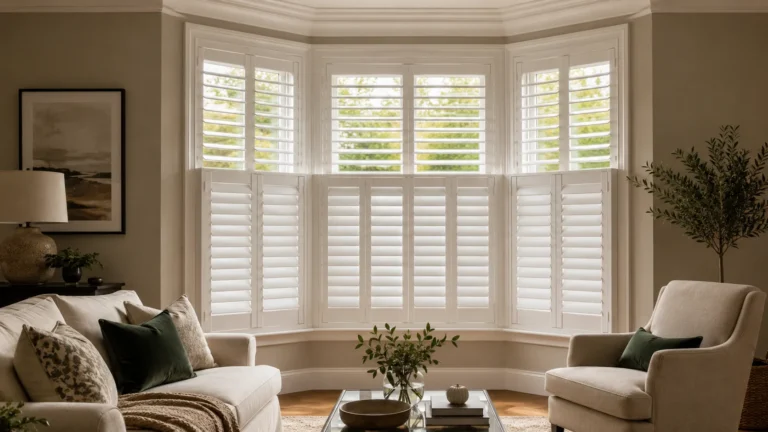
Interior shutters provide structured adjustable louvres for controlling privacy and daylight, with the exact configuration chosen around the window and.
Explore Window ShuttersSpecific Requirements
These specialist routes help you move directly towards the most relevant advice. Some searches begin with a particular opening, performance need or way of operating.
Bay windows need careful think aboutation of individual panes, corner angles, handles and neighbouring blind clearances before the most.
Explore stronger light-reduction options for bedrooms and other rooms, while remembering that blackout fabric alone does not automatically prevent light entering around the.
Motorised operation can make well-matched blinds easier to control where windows are high, controls are difficult to reach or frequent adjustment.
Roof windows and skylights need blinds designed around angled or overhead glazing, including useful think aboutation.
Alternating sheer and opaque bands provide adjustable privacy and filtered daylight, letting you change how much view-through.
Real-wood and faux-wood slatted options can create a structured finish with adjustable light control, with material choice depending on the room.
Door Blind Options
Compare options around panel movement, handles, locks, access and the amount of glazing.
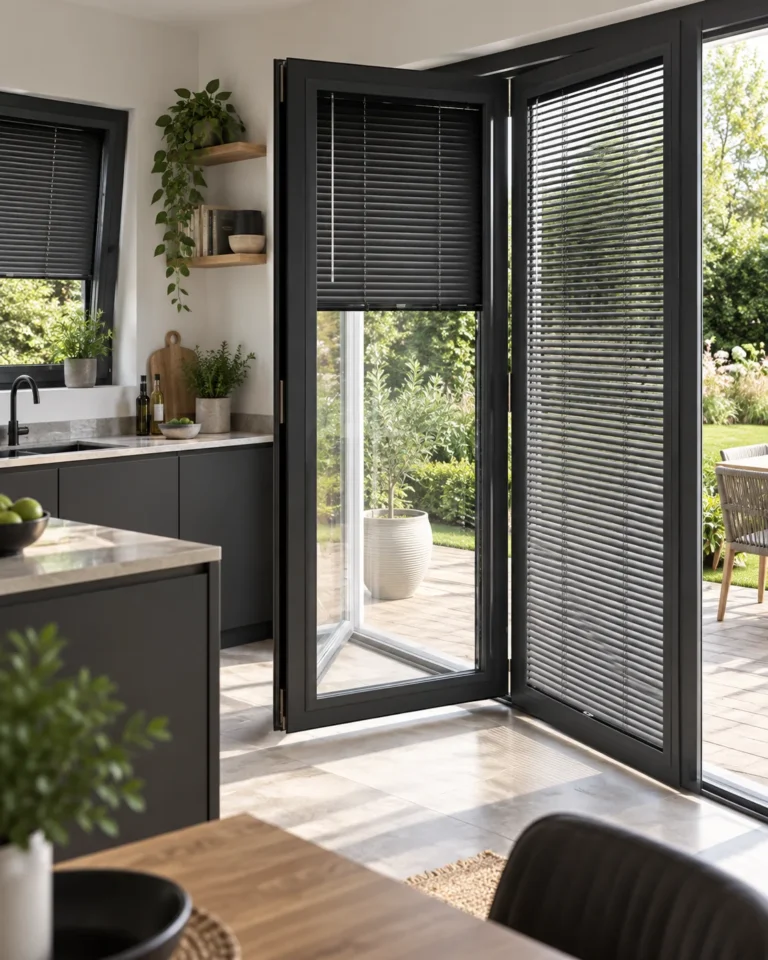
Think about panel movement, stacking space, handles and how often the doors are opened, with frame-mounted or other well-matched solutions.
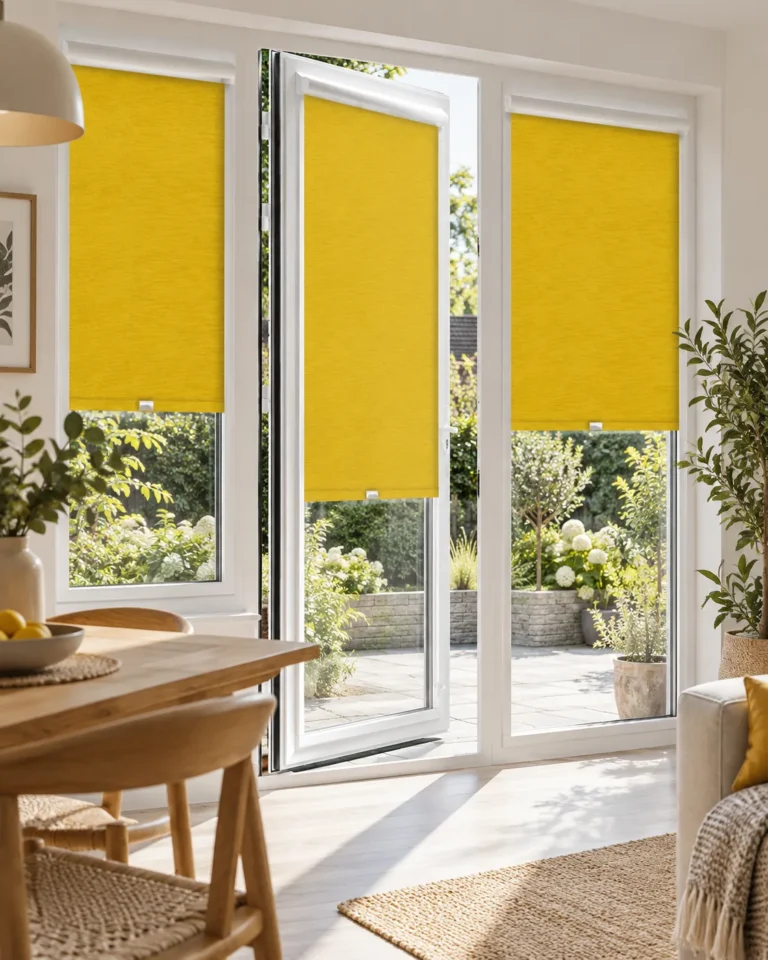
Paired doors need enough clearance around handles and locks while allowing each leaf to open normally, with well-matched blinds coordinated across the glazed.
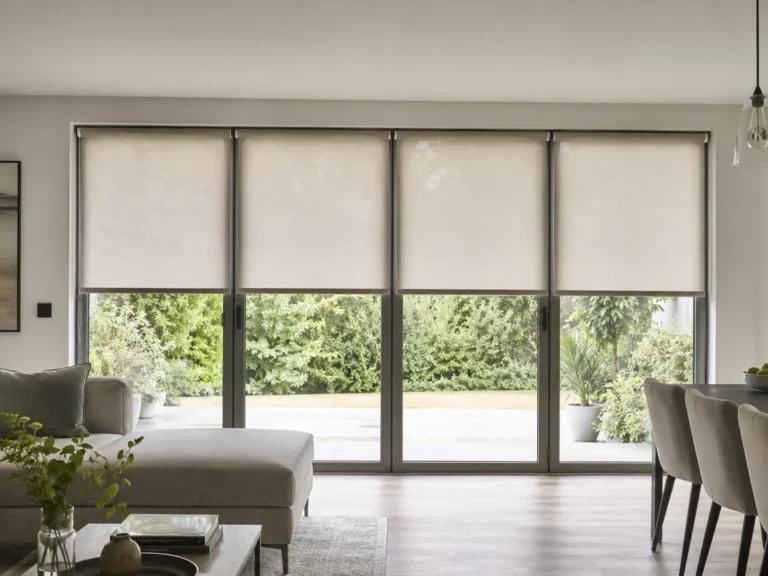
For wide or sliding patio doors, think about access, panel movement, stack position and how much glazing you want.
Room-by-Room Needs
Think about privacy, incoming light, moisture, cleaning and how the room is used before.
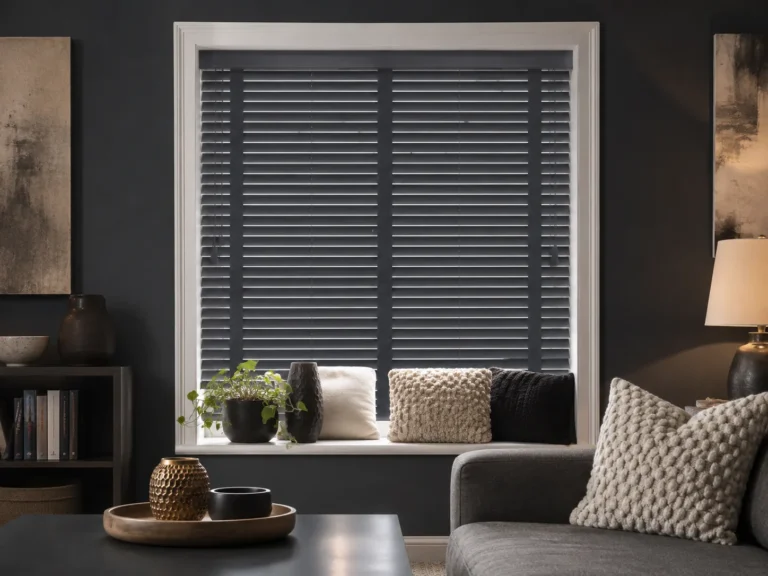
Living spaces often benefit from adjustable daylight and privacy without feeling unnecessarily dark, alongside a.
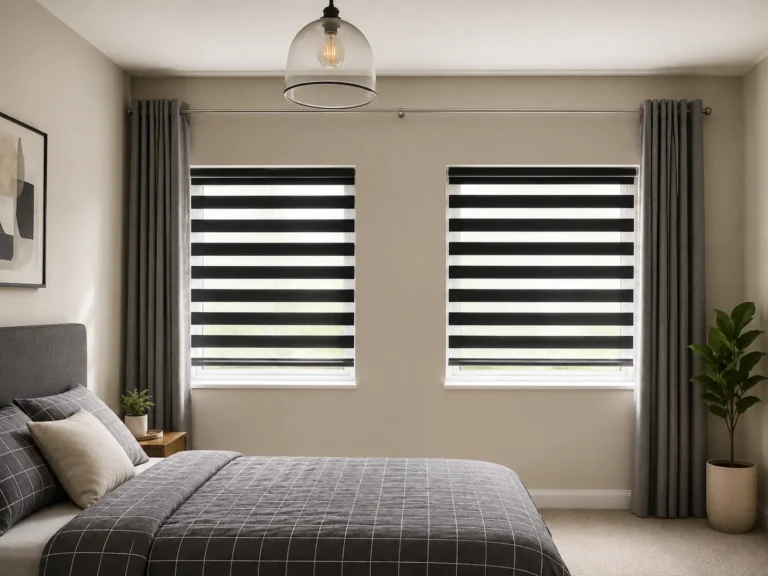
Privacy and stronger light reduction may matter more in bedrooms, particularly for daytime sleeping, although the fitting position also affects how.
Useful materials and an unobstructed operating position can matter as much as colour or pattern. Look at cleaning, moisture.
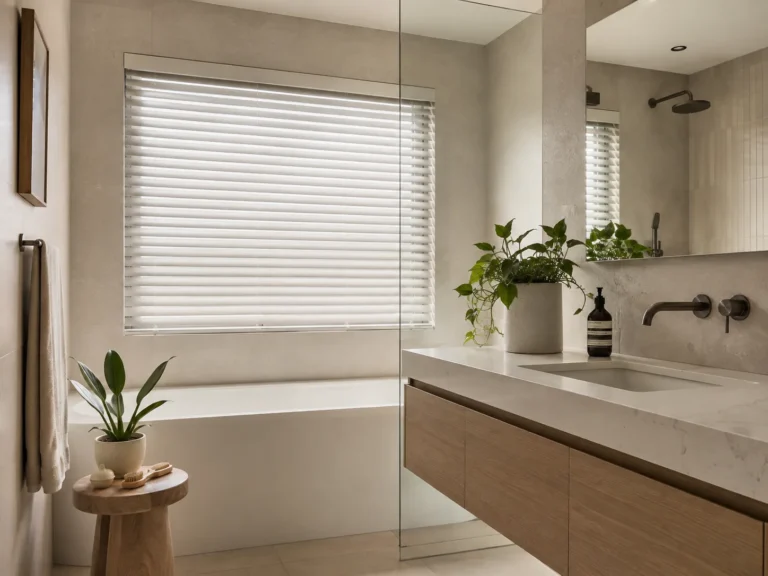
Privacy is usually important, while repeated humidity or splash exposure can influence which materials and fabrics are sensible for the particular.
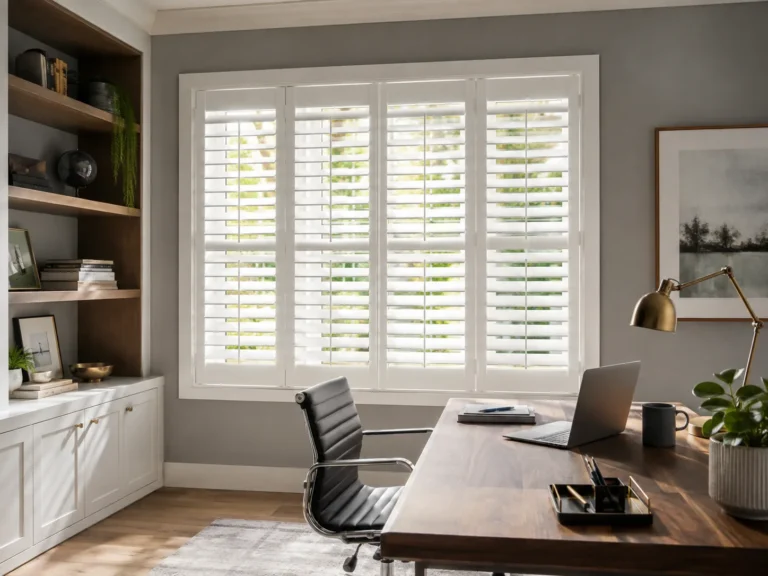
Adjustable light control can be especially helpful as sunlight changes through the day. Controlling screen glare while.
Before You Decide
These four think aboutations can help prevent appearance alone from driving the decision. Once you have.
A blind that gives excellent screening may provide a different daylight experience from a more adjustable option. Think about when.
Check how the window or door opens, the usable recess depth and whether handles, hinges or locks reduce the available.
Moisture, frequent cooking, stronger sunlight, screen glare or a need for greater darkness can all affect which materials.
Manual controls may be straightforward for an accessible window, while well-matched motorisation can be useful for higher.
Start With the Opening
If several styles could work, the useful first step is to explain the opening and.
Noble Blinds can help compare realistic made-to-measure options, check dimensions and clearances, and prepare a quotation once the preferred approach is clear. The quotation can then reflect the agreed made-to-measure.
Discuss blind styles that make sense for the opening, room conditions.
Measuring helps establish the usable fitting position rather than relying on rough sizes.
The chosen blind, operating method and fitting approach can be brought together before quotation. The quotation can then reflect.
The made-to-measure blinds are installed at the property and checked against the.
You can enquire without knowing the exact blind style or measurements.
Different Openings
These examples show why the fitting situation matters before a particular blind style is selected. The shape.
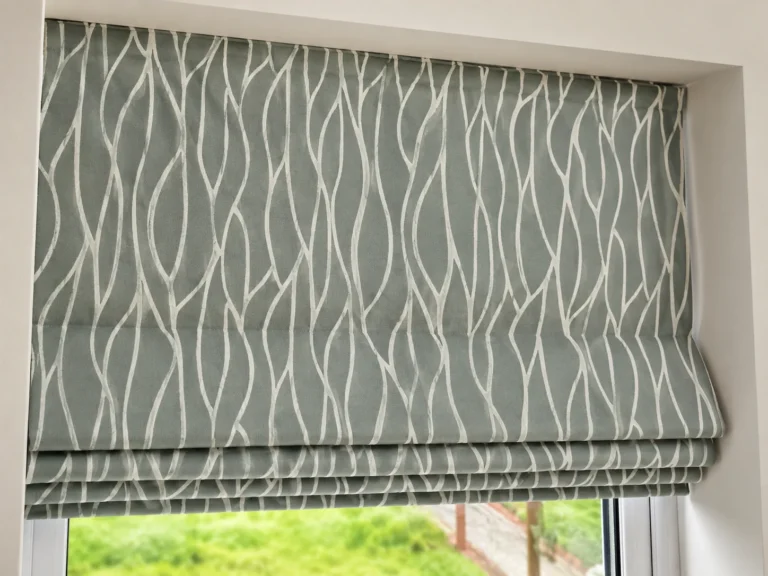
Straightforward windows can accommodate many blind styles, but recess depth, handles and whether the window opens inward can still.
Larger spans may suit one blind or several separate blinds depending on the system, width, operating weight and how.
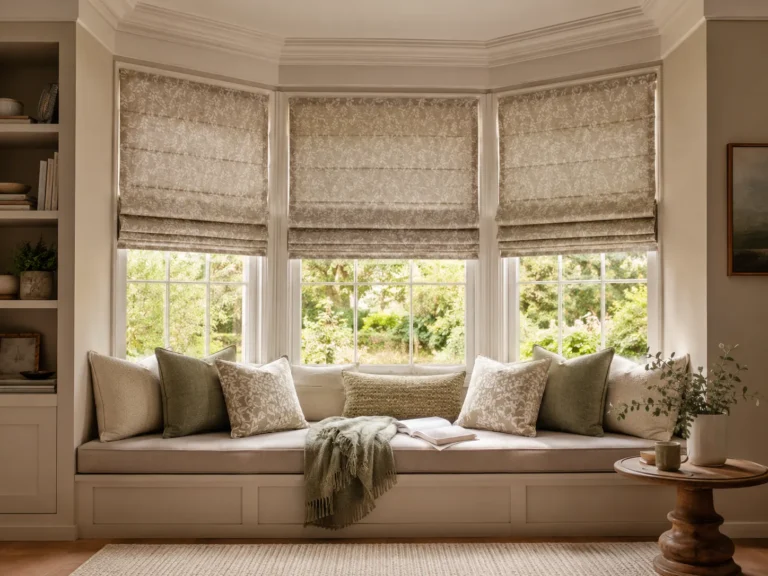
Angles, projecting handles and the way neighbouring blinds meet at corners all need think aboutation when planning a balanced.
Handles, locks and door movement can reduce available fitting space, so the blind needs to provide.
Angled glazing needs a compatible blind that remains controlled against the window rather than hanging like a blind fitted.
Different parts of a conservatory may need different solutions for side windows, doors and overhead glazing, especially where glare, reach.
Measure the Real Opening
A reliable blind specification starts with how the opening is built and how it moves. Where several openings.
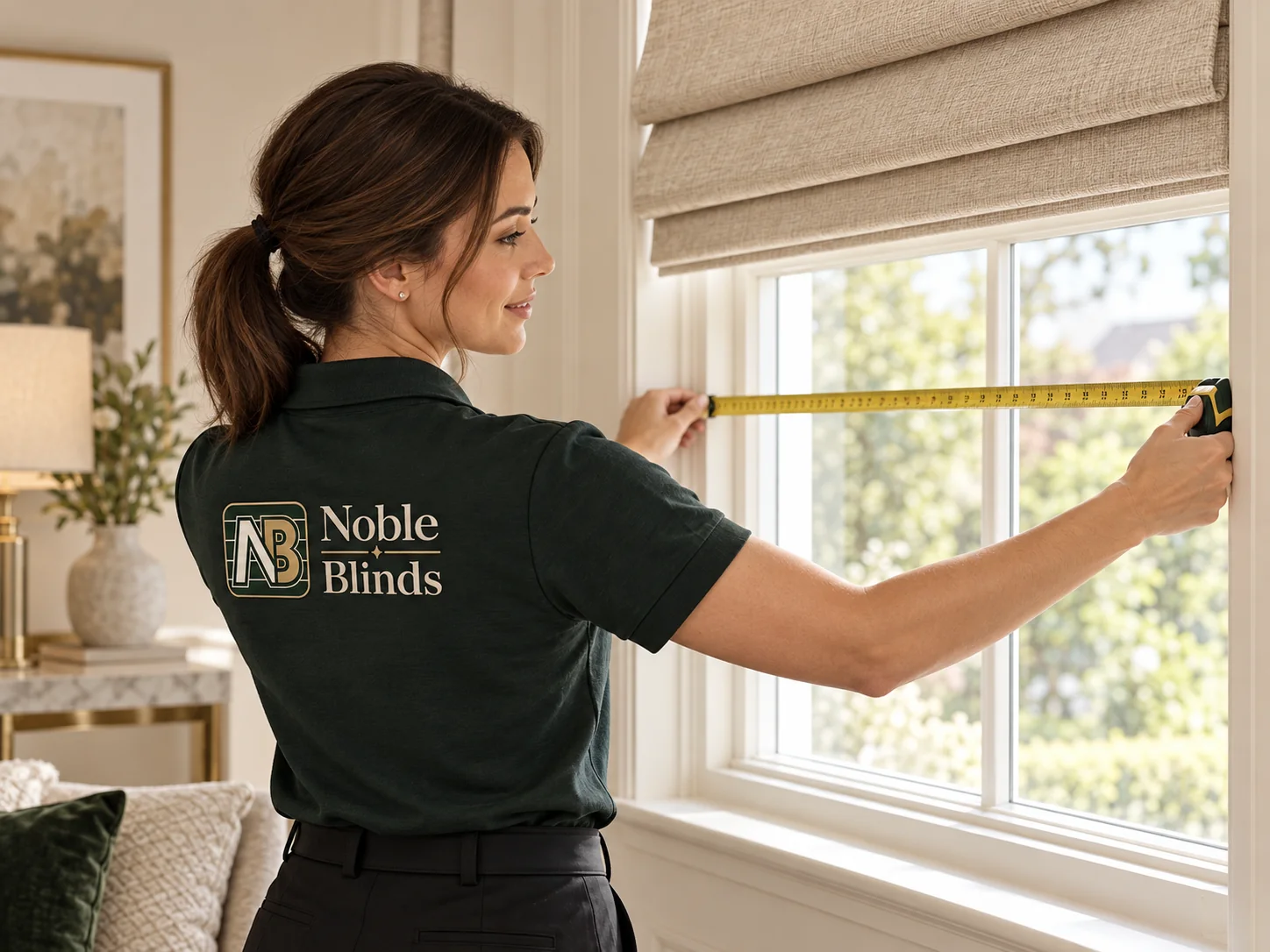
Measurements at the property can account for recess depth, uneven edges, projecting hardware and the space needed for brackets, fabric or slats to move freely. These checks reduce the risk of a finished blind catching on hardware or restricting normal window and door movement. Where several openings appear similar, each one can still differ slightly in width, drop or squareness and should be checked individually. The measuring stage also helps establish whether the blind should sit inside the recess, outside it or within a compatible frame-mounted system.
A Clear Four-Step Route
Each stage builds on the last: understand the opening, measure accurately, agree the specification and.
Explain what you want to improve, such as privacy, glare, a door, a.
Measure the usable fitting space and identify handles, vents or movement that could affect suitability.
Select the most appropriate blind, finish and operating approach before the quotation is prepared.
The made-to-measure blinds are installed at the property and checked against the.
A Practical Service
Noble Blinds focuses on choosing around the real window or door rather than treating every opening as the same.
Recommendations start with the window or door, including movement, handles and the level of privacy or daylight.
Checking the opening directly gives a clearer basis for the final dimensions and fitting position.
You can compare a manageable set of realistic blind options rather than trying to judge the.
The chosen blinds are professionally installed so the final position matches the.
Reviews & Feedback
Customer reviews provide independent feedback on the overall service, advice, measuring and fitting.
Very nice and professional, paying attention to details and your wishes and make sure that everything is how would you like to be, high quality too. Highly recommended 💯
Great customer service quote and fitting are quick I’m really happy with my blinds they look stunning! Thank you again TikTok friend
Excellent service from start to finish. Good quality blinds friendly and efficient chap who knows his stuff. Fitted all mine today in no time. Would definitely recommend Luxury Blinds
Great service and amazing quality blinds all fitted very professionally plus very quick service. Thank you
Fast and efficient service, blinds look great and made room look new.
The person was great and love the blinds .thanks
Great service, fantastic job, great quality! Patient and understanding and I'm definitely recommending to family and friends. Thank you again!
Job well done and very friendly service, highly recommend this company
Great service, fantastic job. I’m very happy with the service definitely I’m gonna recommend my family and friends thank you.
Professional service provided and amazing quality blinds, would highly recommend. Thank you.
Practical Questions
No. Motorised operation depends on the product, size and selected system, so compatibility should be checked rather than assumed for every blind type. Power and control requirements are best considered at the same time as the blind rather than added as an afterthought. The size and weight of the finished blind can also influence which motorised systems are realistic. Power and control requirements are best considered at the same time as the blind rather than added as an afterthought.
Look at moisture, ventilation, distance from direct water and how easy the blind will be to operate and maintain. These factors can narrow the realistic material choices. Suitability should therefore be checked for the particular window rather than treating every bathroom as the same environment. Privacy can still be balanced with daylight by comparing appropriate adjustable systems for the conditions. Suitability should therefore be checked for the particular window rather than treating every bathroom as the same environment.
A bay combines several openings and angles, so each section affects the space available to the neighbouring blind. Corner clearance, handles and the chosen headrail position all need to be planned together. A small change in the position of one blind can affect the neighbouring section, which is why the whole bay should be planned together. The meeting points at the angles are usually the critical areas because several headrails or fabrics may compete for the same space.
A blind needs enough usable depth for its brackets, headrail and moving parts. A shallow recess may therefore change the fitting position or rule out some systems. Where an opening is not perfectly square, more than one measurement may be needed to understand the practical clearance. The aim is a specification based on the real fitting conditions rather than a single approximate dimension. Measurements should reflect the proposed fitting position, because an inside-recess blind and an outside-recess blind are not specified from the same usable space.
It helps to describe the type of opening, the room and what you want the blind to achieve. You can still enquire without knowing the product name or exact measurements. The exact answer can depend on the opening, the selected blind and the way the room is used, so compatibility should be checked rather than assumed. Measuring the actual window or door provides the best basis for deciding which fitting approach is realistic. A made-to-measure specification can then be based on the usable space and the result you want from the room.
Even similar-looking openings can differ slightly in width, drop, recess depth or handle position. Measuring each one separately gives a more reliable basis for choosing the blind size and fitting position. The aim is a specification based on the real fitting conditions rather than a single approximate dimension. Measurements should reflect the proposed fitting position, because an inside-recess blind and an outside-recess blind are not specified from the same usable space.
Start by deciding whether directional control, filtered light or flexible daytime screening matters most. That usually makes it easier to compare slatted, louvred and layered-fabric blinds. A made-to-measure specification can then be based on the usable space and the result you want from the room. The exact answer can depend on the opening, the selected blind and the way the room is used, so compatibility should be checked rather than assumed. Measuring the actual window or door provides the best basis for deciding which fitting approach is realistic.
A well-planned blind can reduce incoming light strongly, but the finished effect depends on more than fabric choice. Measuring the opening and considering edge gaps helps set realistic expectations. For stronger room darkening, look at the material and the complete installation together rather than treating them as separate decisions. If darkness is a high priority, compare more than one suitable blind route and ask how each fitting method manages edge gaps. A deeper recess or different fitting position can change where edge light remains, so the opening should be assessed before.
Handles, locks, hinges, glazing and the full movement of the door all need consideration. A blind should provide useful coverage without making normal opening, closing or access awkward. Where several door panels move independently, each section should be considered as part of the complete opening rather than measured in isolation. Frame depth and the location of locks or handles can make one fitting method more practical than another. A system that covers the glass well is not useful if it obstructs access, so movement and clearance need equal attention.
Not necessarily. Dividing the opening can make operation easier and allow separate parts of the glazing to be controlled independently. The best arrangement depends on the system and the available fixing positions. A made-to-measure specification can then be based on the usable space and the result you want from the room. The exact answer can depend on the opening, the selected blind and the way the room is used, so compatibility should be checked rather than assumed. Measuring the actual window or door provides the best basis for deciding which fitting approach is realistic.
Need Help With the Next Step?
Start with the opening and what you want the blind to achieve. Noble Blinds can help narrow the relevant options and discuss the next steps. You do not need final measurements or a confirmed.